
Ready by 6:45pm Oct 21, 2026
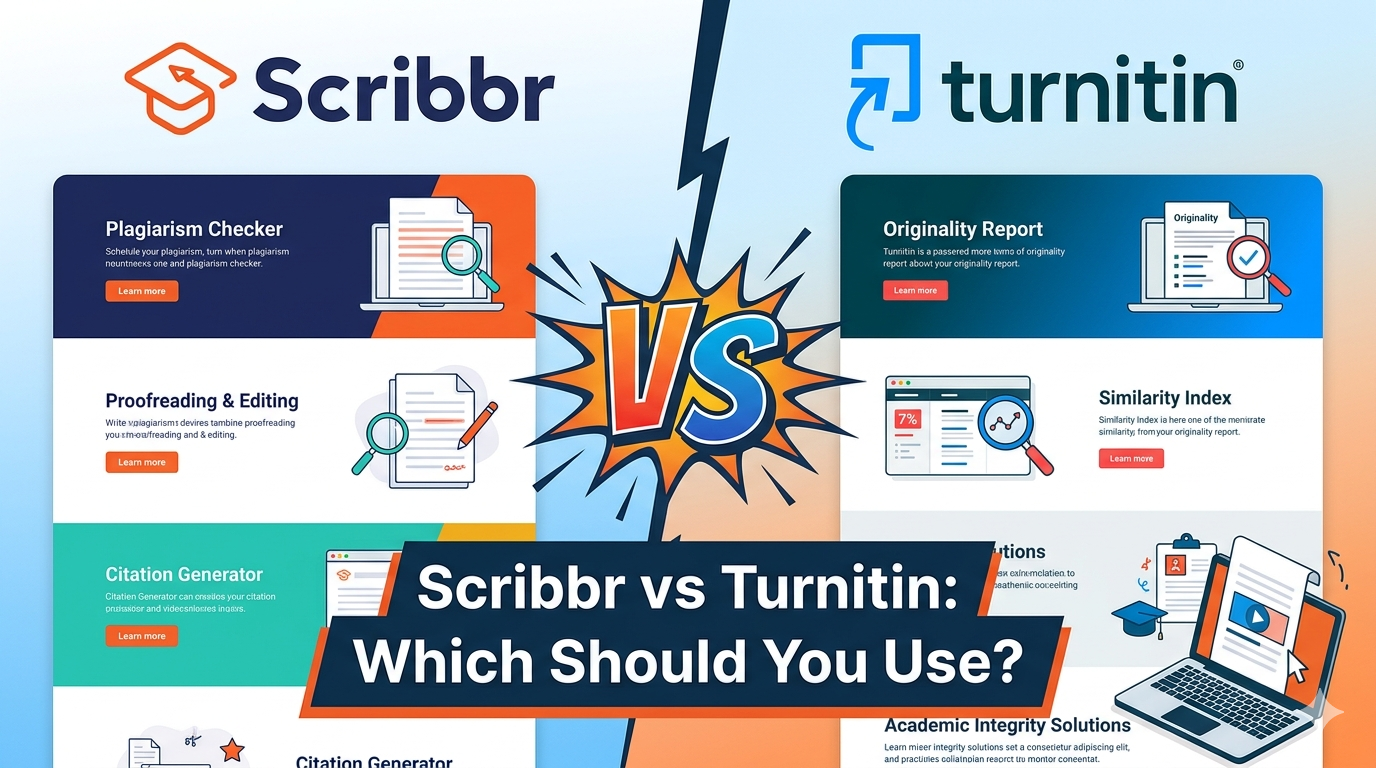
Scribbr vs Turnitin: Which Plagiarism Checker Is Better? (2026)
Scribbr and Turnitin both check for plagiarism, but they serve different users. Turnitin is the institutional standard that universities use to grade and store submissions, while Scribbr is a self-service checker students use privately before they submit. Scribbr is powered by Turnitin’s database, so their matching is similar; the real difference is access, storage and price.
Scribbr vs Turnitin: what is the difference?
The core difference is who the tool is for. Turnitin is bought by institutions: your university runs your submission through it, keeps the report, and stores your paper in its repository. Scribbr is bought by students: you upload your own draft, get a similarity report privately, and your work is not added to any institutional database. Because Scribbr’s plagiarism check runs on Turnitin’s database, the matches you see are broadly comparable, so the decision is rarely about accuracy and usually about access and privacy.
Scribbr vs Turnitin comparison table
The table below compares the two on the points that matter most to students.
| Feature | Scribbr | Turnitin |
| Who it is for | Students, self-service | Universities and institutions |
| Database | Uses Turnitin’s database | Its own full database |
| Who sees the report | Only you | You and your institution |
| Stored in a repository | No | Yes, usually |
| Access | Pay per check or plan | Through your university only |
| AI writing detection | Available on its own checker | Available to institutions |
| Best for | A private pre-submission check | Official grading and submission |
Is Scribbr as accurate as Turnitin?
Scribbr’s plagiarism check is powered by Turnitin’s database, so for matching against published sources and student papers the results are very close. The main difference is not accuracy but coverage of your own institution: Turnitin can match your work against other submissions in your university’s private repository, which a self-service checker cannot see. For spotting accidental matches and unattributed sources before you submit, Scribbr gives you a very similar picture.
Need support with your academic work?
Working on an upcoming assignment, essay, coursework or project? Explore DoMyWork’s academic writing services for research, structure and writing support tailored to your requirements.
Explore our academic writing services
Does Scribbr store my work like Turnitin does?
No, and this is the difference students care about most. When your university runs your paper through Turnitin, it is usually stored in a repository, which is why checking the same paper twice can flag it against itself. Scribbr does not add your work to any institutional database, so a private pre-submission check will not cause a self-match later. If you have seen an inflated score from resubmitting, our self-plagiarism guide explains why.
Which should you use, Scribbr or Turnitin?
Verdict: Use Turnitin when it is your university’s official system, because that is the report that counts toward your grade. Use Scribbr, or another self-service checker, when you want a private check before you submit, since you usually cannot access Turnitin directly as a student. Many students use both: Scribbr to check and fix in private, then Turnitin for the official submission.
If you do not have student access to Turnitin at all, our guide on checking your Turnitin score before submitting covers the legitimate ways to run a pre-submission check, and Turnitin alternatives compares the other options.
Working on an essay?
If you need additional support with your academic writing, structure or research, explore our Essay Writing Help service.
How do you read the result, whichever you use?
Both tools give you a similarity percentage and a colour band, and both are read the same way: the number is matched text, not a plagiarism verdict. Check where the matches fall and whether they are quoted and referenced before worrying about the figure.
- Under 15% is generally good; up to around 20% is often acceptable when properly cited.
- Open the report and check matches are attributed, not just the headline number.
- A single large match to one uncited source matters more than a higher total.
Our good Turnitin similarity score guide explains what figure to aim for, and Turnitin report colours explains the bands.
Check your Turnitin score for UK universities, US Universities, Australian universities, European universities, and Canadian universities.
Frequently asked questions
What is the difference between Scribbr and Turnitin?
Turnitin is the system universities use to grade and store submissions, while Scribbr is a self-service checker students use privately before submitting. Scribbr uses Turnitin’s database, so their matching is similar; the difference is access, storage and price.
Is Scribbr as accurate as Turnitin?
Very close, because Scribbr’s plagiarism check runs on Turnitin’s database. The main gap is that Turnitin can also match against your own university’s private repository, which a self-service checker cannot see.
Does Scribbr store my work in a repository?
No. Scribbr does not add your work to an institutional database, so a private pre-submission check will not later flag against itself, unlike a paper stored by your university’s Turnitin.
Should I use Scribbr or Turnitin?
Use Turnitin when it is your university’s official system, since that report counts toward your grade. Use Scribbr for a private check beforehand, as students usually cannot access Turnitin directly. Many students use both.
Popular posts
How to Write a PESTLE Analysis for an Assignment (with Example, 2026)
August 23, 2026

Can Students Access Turnitin Without Their University? Here Is the Truth
April 15, 2026
How to Write a SWOT Analysis for an Assignment (with Example, 2026)
August 24, 2026
Scribbr vs Turnitin: Which Plagiarism Checker Is Better? (2026)
June 5, 2026
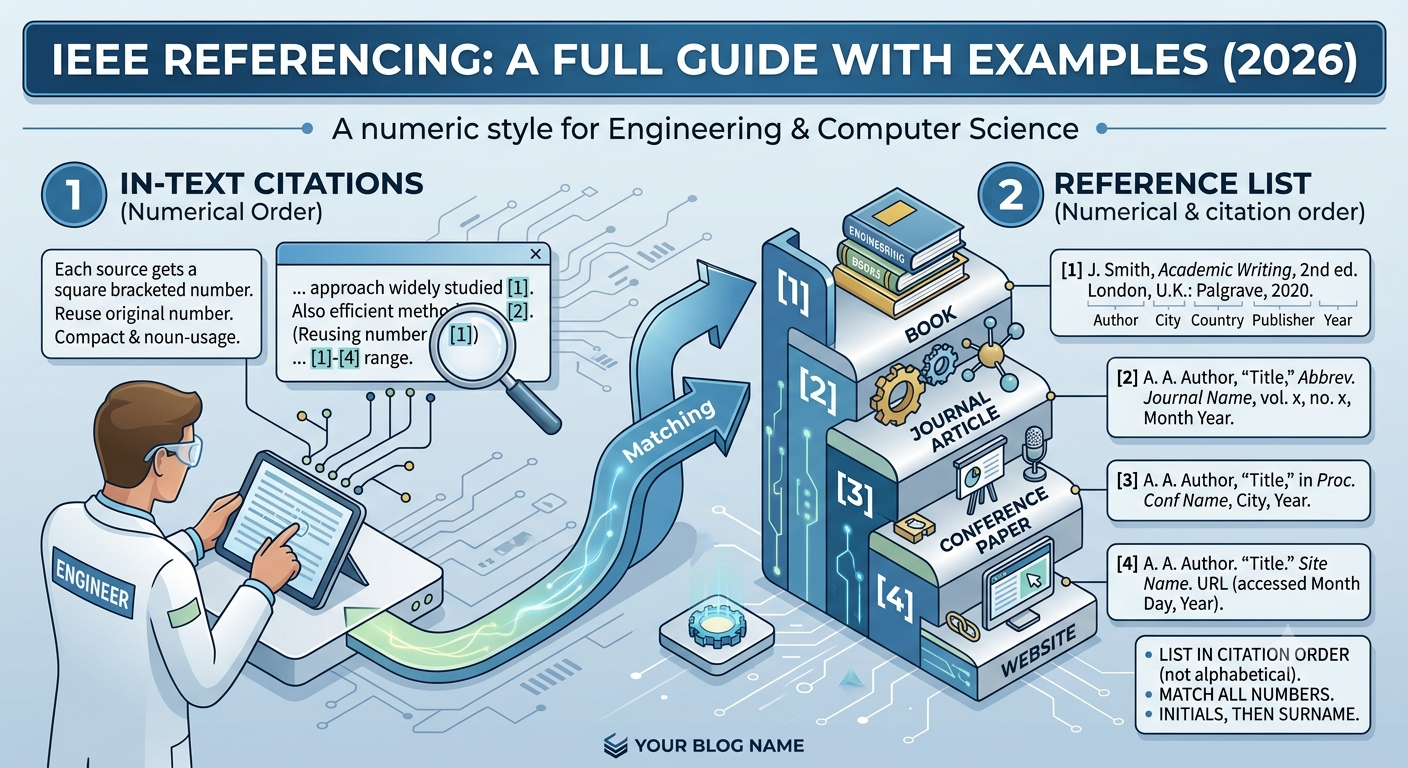
IEEE Referencing: A Full Guide with Examples (2026)
September 6, 2026
Want more tips & great deals? Get them sent to your inbox
Please enter a valid E-mail
By clicking "Subscribe" you agree to be contacted via e-mail. You can always unsubscribe from the newsletter


