
Ready by 1:50pm Sep 24, 2026
How Do You Write a Dissertation Methodology Chapter?
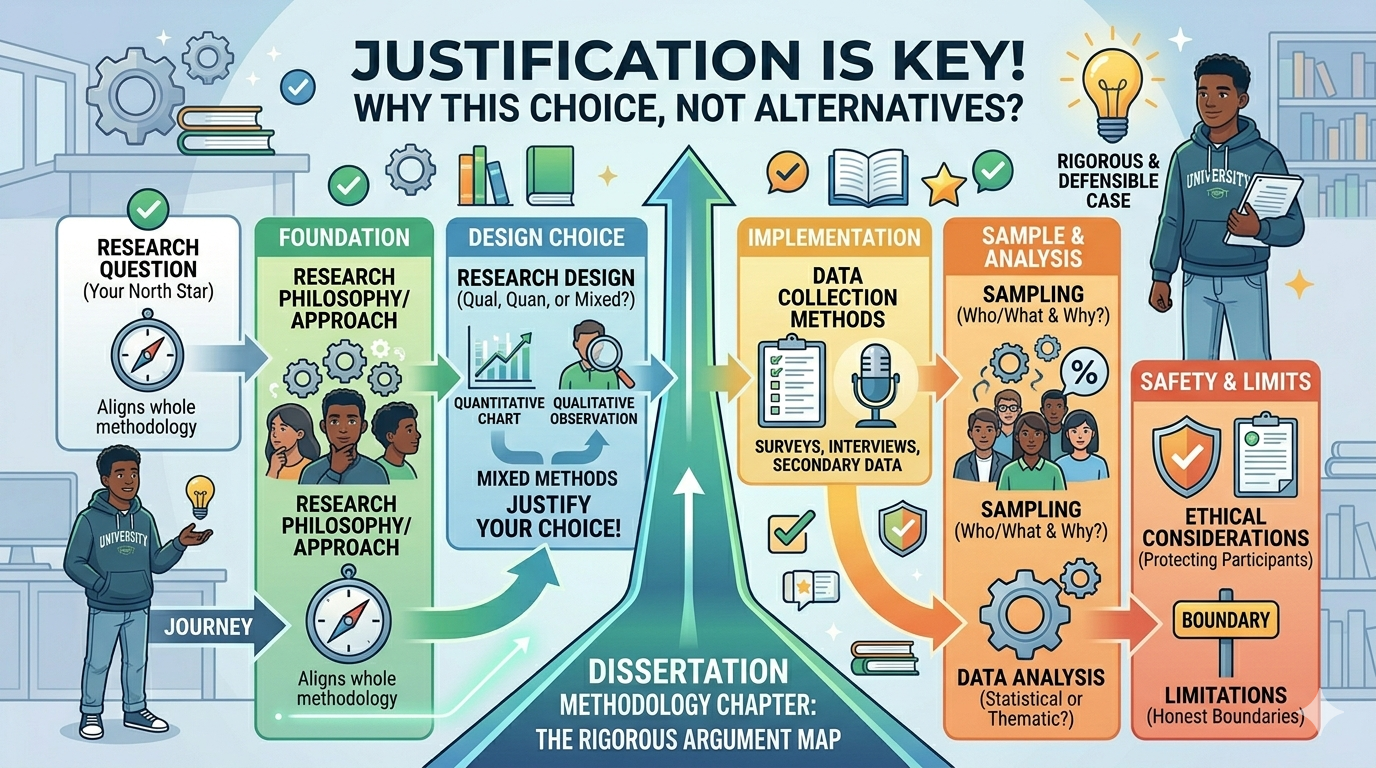
A dissertation methodology chapter explains how you carried out your research, then justifies why those choices were the right ones for your question. It is not a description of what you did. It is an argument that your approach was rigorous, defensible, then capable of answering your research question.
The methodology is often the chapter examiners scrutinise hardest, because it shows whether your findings can be trusted. A weak methodology undermines even strong results. This guide covers the sections to include, how to justify your choices, then the mistakes that cost marks. If you have not yet locked your research question, start with our guide to writing a dissertation proposal, since the methodology flows directly from it.
What should a methodology chapter include?
A complete methodology moves through a predictable set of sections, each answering a question the examiner will ask.
- Research philosophy or approach, your stance on how knowledge is built.
- Research design, whether the study is qualitative, quantitative, or mixed.
- Data collection methods, the tools you used such as surveys, interviews, or secondary data.
- Sampling, who or what you studied, then how you selected them.
- Data analysis, how you turned raw data into findings.
- Ethical considerations, consent, anonymity, then data handling.
- Limitations, the honest boundaries of your approach.
You do not need heavy jargon for every section, but you do need each one present, then justified. The chapter reads as a chain: each choice follows from the one before, all of it serving your research question.
How do you choose between qualitative and quantitative methods?
The choice follows your question, never the other way round. Quantitative methods suit questions about how much, how many, or whether a relationship holds across a large group. They produce numerical data you analyse statistically. Qualitative methods suit questions about why or how something is experienced, producing rich textual data from interviews or observation.
A question such as “Does flexible working raise productivity in UK SMEs?” points quantitative. A question such as “How do SME employees experience flexible working?” points qualitative. Many dissertations use a mixed approach, combining both to balance breadth with depth. Our explainer on primary and secondary research helps you decide what data you actually need before you commit.
→ Stuck framing your approach? A model methodology chapter built around your question shows you exactly how to justify each choice, structured to your university’s expectations.
How do you justify your methodology?
Justification is what separates a first class methodology from a descriptive one. For every choice, answer “why this, rather than the alternatives?” If you ran interviews, say why interviews suited your question better than a survey. If you sampled twelve participants, explain why that number was appropriate for your design.
Support your reasoning with methodological sources. Citing established texts on research methods shows the examiner your choices rest on accepted practice rather than convenience. This is the analytical move that earns marks: not what you did, but the reasoned case for why it was sound.
How should you write about ethics and limitations?
Ethics
Set out how you protected participants: informed consent, the right to withdraw, anonymity, then secure data storage. Note any ethical approval your department requires. Even a study using only secondary data needs an ethics paragraph, since data use itself carries responsibilities.
Limitations
Stating limitations strengthens your work rather than weakening it. A small sample, a single site, or a short timeframe are normal constraints. Naming them shows you understand the boundaries of your claims, which examiners read as research maturity. The error is pretending limitations do not exist, then hoping nobody notices.
What tense and voice should a methodology use?
Write the methodology in the past tense, since you are reporting research already carried out: “interviews were conducted”, not “interviews will be conducted”. The passive voice is common here, though many institutions now accept the first person for reflective points. Check your department’s guidance, then stay consistent throughout. Once your methodology is set, it should align cleanly with the rest of your chapters, which our guide to dissertation structure maps out.
How do you write a mixed methods methodology?
A mixed methods study combines quantitative then qualitative data, so the methodology has to explain not just each method, but why you brought them together. State whether the two strands run at the same time or in sequence, then how they inform each other. A common design surveys a large group for breadth, then interviews a smaller subset for depth, with the interviews explaining patterns the survey reveals.
The justification is the part examiners look for. Explain what the combination achieves that a single method could not. If your numbers show that flexible working raises productivity, your interviews can show why, which neither method delivers alone. Make that complementarity explicit rather than leaving the reader to assume it.
What are the most common methodology mistakes?
A handful of errors recur across undergraduate then masters work, then each is avoidable once you know to watch for it.
- Describing methods without justifying them, which reads as a recipe rather than an argument.
- Choosing a method to fit the data you can get, instead of the question you asked.
- Skipping the ethics section, even when the study uses only secondary data.
- Hiding limitations, which examiners notice anyway, then read as a lack of awareness.
- Mismatching the analysis to the data, such as promising thematic analysis then presenting only counts.
The fix for all of them is the same discipline: for every sentence in the chapter, ask whether it explains why, not just what. A methodology that keeps answering “why this choice” is one that holds up under questioning, which is exactly what your viva will test. Our guide to preparing for a dissertation viva shows how examiners probe these choices.
It helps to write the methodology as though a sceptical reader is sitting beside you, asking “says who?” after every claim. That reader is your examiner. When each choice is backed by a methodological source then a clear reason, the chapter stops being a description of your weekend of data collection, then becomes the rigorous case that lets a reader trust your findings. That shift in mindset, from reporting to justifying, is what lifts the chapter into the upper bands.
Ready to take your dissertation further? Get specialist support.
From refining your research question and literature review to methodology, analysis and final structure, dissertation work requires careful planning at every stage. Explore our dissertation writing support for your research project.
Frequently asked questions
How long should a dissertation methodology chapter be?
Typically 15 to 20 per cent of your total word count. For a 10,000 word dissertation that is roughly 1,500 to 2,000 words, enough to cover design, methods, sampling, analysis, ethics, then limitations with proper justification.
What goes in a methodology chapter?
Research approach, research design, data collection methods, sampling, data analysis, ethical considerations, then limitations. Each section should justify why the choice suited your research question.
Should a methodology be written in past or present tense?
Past tense, because you are reporting research you have already completed. Write ‘data were collected’ rather than ‘data will be collected’, then keep the tense consistent across the chapter.
What is the difference between methodology and methods?
Methods are the specific tools you used, such as interviews or surveys. Methodology is the wider reasoning that justifies why those methods suited your question. Examiners want both the what and the why.
Popular posts

Dissertation Topics 2026: How to Choose the Best Topic + 150 Ideas
February 21, 2026
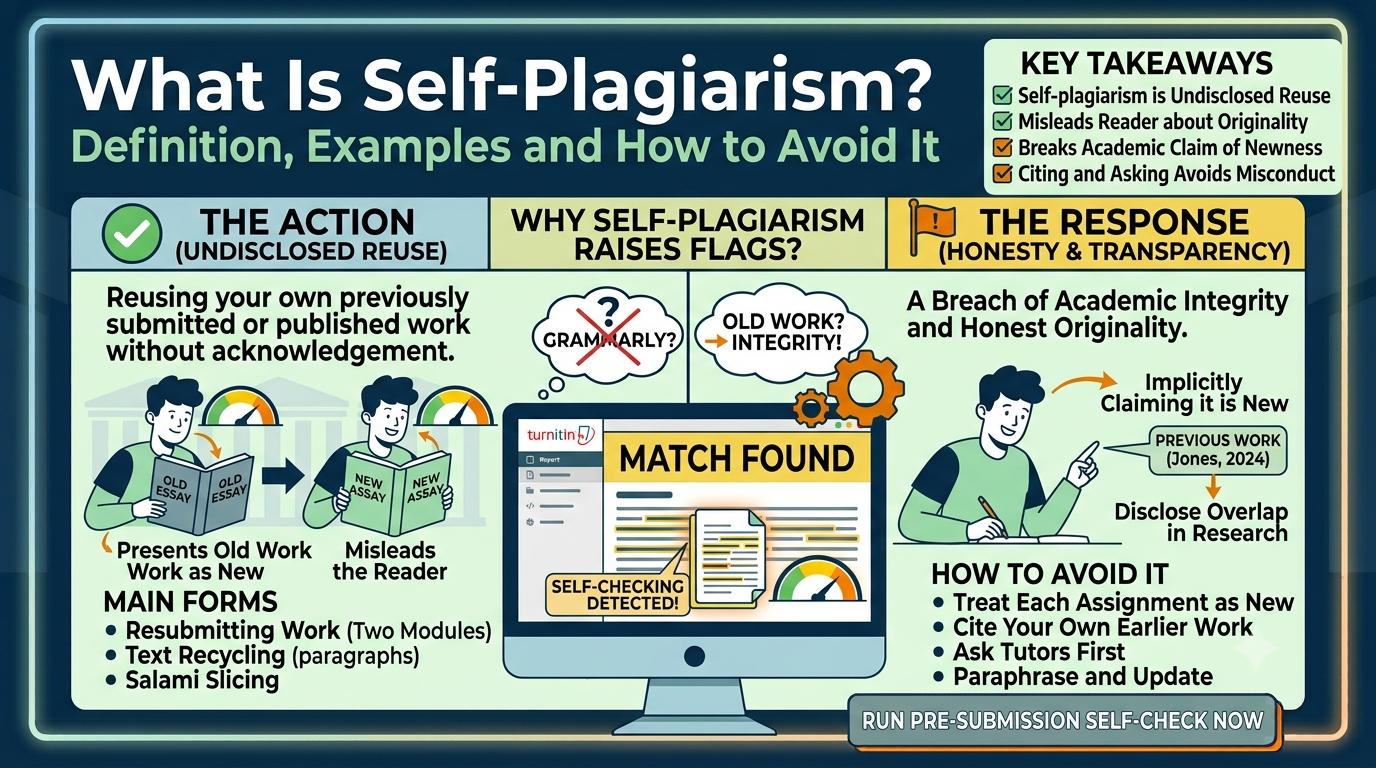
What Is Self-Plagiarism? Definition, Examples and How to Avoid It
July 23, 2026
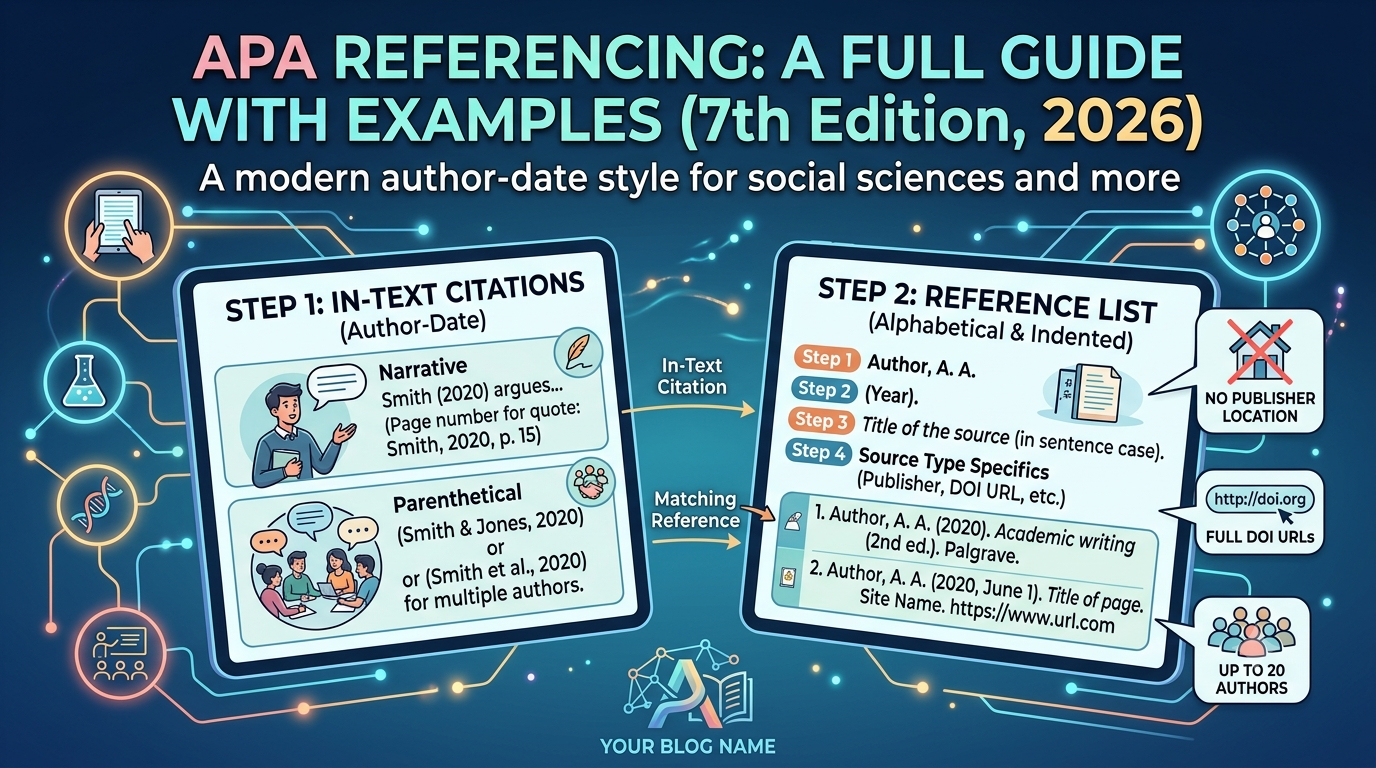
APA Referencing: A Full Guide with Examples (7th Edition, 2026)
September 2, 2026

How Student Content Creators Can Get Paid Brand Deals in 2026
March 23, 2026
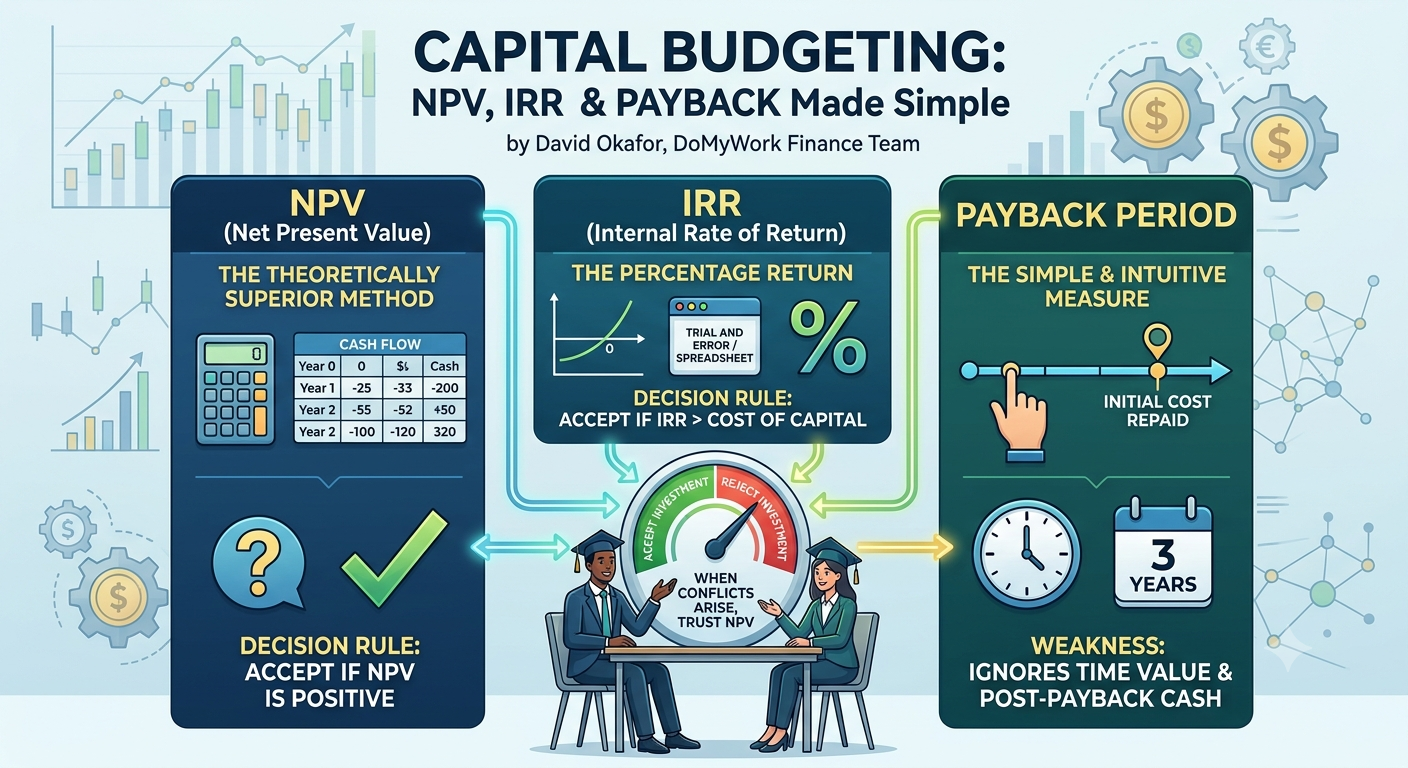
Capital Budgeting: NPV, IRR and Payback Period Made Simple
July 12, 2026

Want more tips & great deals? Get them sent to your inbox
Please enter a valid E-mail
By clicking "Subscribe" you agree to be contacted via e-mail. You can always unsubscribe from the newsletter


