
Ready by 6:45pm Oct 21, 2026
120+ Finance Dissertation and Assignment Topics for 2026
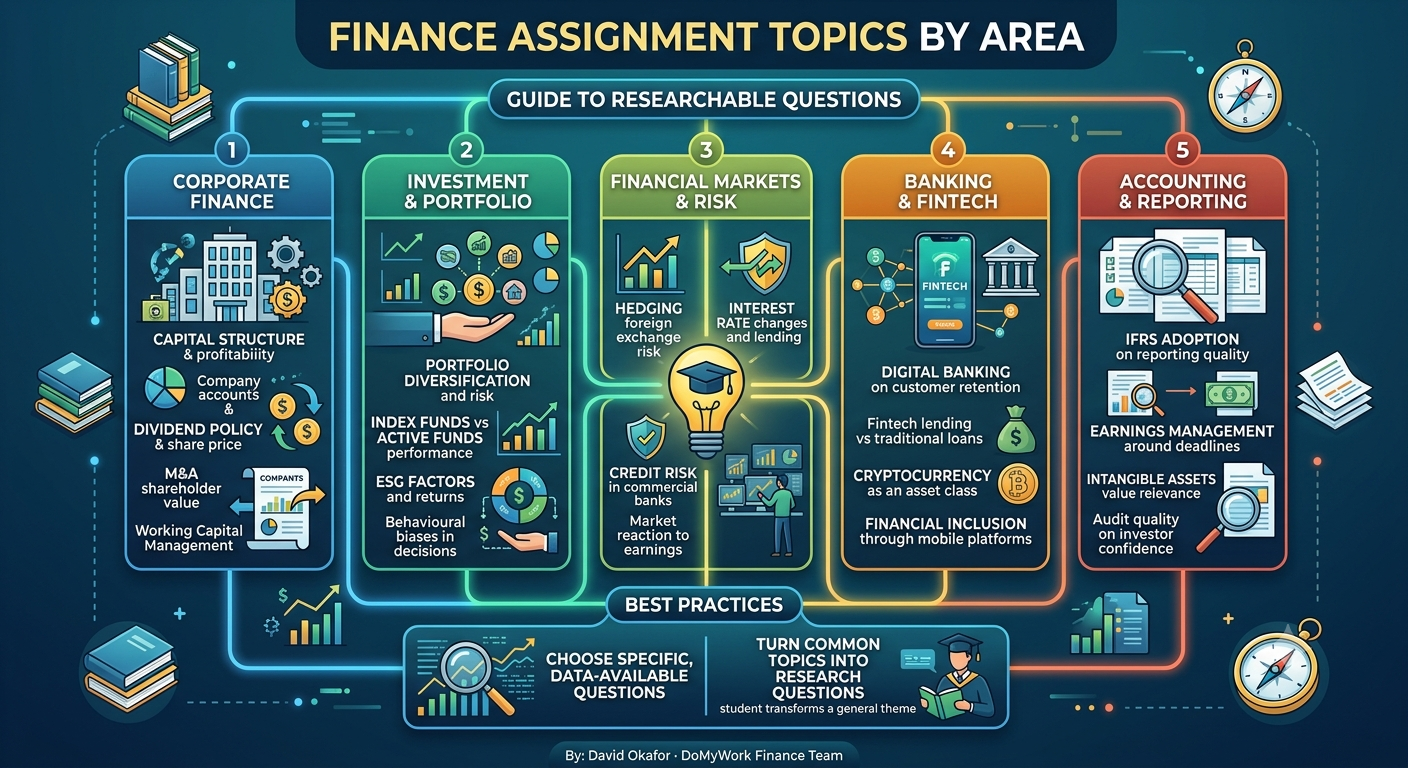
A strong finance topic is specific, backed by data you can actually get, and tied to a current issue in markets, policy or practice. Below are more than 120 finance topics for dissertations and assignments in 2026, grouped by field, from corporate finance and investment to fintech, banking, ESG and behavioural finance, each written so you can shape it into a clear research question.
How do you choose a good finance topic?
Start with the branch of finance you find genuinely interesting, then test each idea against data. Finance rewards topics where the numbers already exist, company accounts, market indices, central bank data, so a secondary, quantitative study is often the most realistic route within a student timetable. Our guide on primary versus secondary research helps you decide which fits your question.
Then narrow it. A whole theme like market efficiency is too big; the effect of earnings announcements on a specific index over a set period is answerable. If you want worked techniques to build your analysis on, our guides to ratio analysis, NPV, IRR and payback and writing a financial analysis report show the methods markers expect, and our finance assignment help guide covers how to structure the write-up.
Corporate finance and capital structure topics
Capital structure and financing
- The relationship between capital structure and firm profitability in listed UK companies
- How debt maturity choices affect the value of medium-sized firms
- The determinants of dividend policy in FTSE 250 companies
- The impact of share buybacks on shareholder value
- Trade-off theory versus pecking order theory: evidence from a chosen sector
- The effect of leverage on firm performance during economic downturns
- How firms adjust capital structure after a major acquisition
- The cost of capital and investment decisions in capital-intensive industries
- The influence of ownership structure on corporate financing decisions
- Working capital management and its effect on profitability in SMEs
Mergers, acquisitions and valuation
- Do mergers and acquisitions create or destroy shareholder value?
- The accuracy of discounted cash flow valuation against market prices
- Post-merger performance in a chosen industry: an event study
- The role of synergy estimates in overpayment for acquisitions
- Cross-border acquisitions and the effect of currency risk on value
- How due diligence quality affects acquisition outcomes
Investment, markets and portfolio topics
Markets and asset pricing
- Testing the weak form of market efficiency on a chosen stock index
- The size and value premiums in UK equity returns
- Momentum strategies and their performance after transaction costs
- The equity risk premium: has it changed over the last two decades?
- The relationship between oil prices and stock market returns
- Calendar anomalies and whether they still exist in modern markets
Portfolio and risk
- The diversification benefits of adding commodities to an equity portfolio
- How well does modern portfolio theory perform out of sample?
- The performance of ESG portfolios against conventional benchmarks
- Value at risk versus expected shortfall as measures of portfolio risk
- The hedging effectiveness of gold during market stress
- Active versus passive fund performance after fees
Banking and financial institutions topics
Banking
- The determinants of bank profitability in the post-pandemic period
- How capital requirements affect bank lending behaviour
- The impact of non-performing loans on bank stability
- Interest rate changes and net interest margins in retail banking
- The effect of bank consolidation on competition and customers
- Credit risk management practices and loan default rates
- The role of shadow banking in systemic risk
- Financial inclusion and the reach of digital banking
Fintech, digital finance and cryptocurrency topics
Fintech and digital finance
- The impact of fintech lending on traditional bank market share
- Adoption of mobile payments and its effect on consumer spending
- Robo-advisers and the democratisation of investment advice
- Buy now, pay later services and household debt
- Open banking and its effect on competition in financial services
- The role of artificial intelligence in credit scoring
Cryptocurrency and digital assets
- Is Bitcoin a hedge, a safe haven or a risky asset?
- The volatility of cryptocurrency markets and its drivers
- Central bank digital currencies and the future of money
- The relationship between cryptocurrency and traditional asset returns
- Stablecoins and the risks they pose to financial stability
Accounting, reporting and auditing topics
Financial reporting and auditing
- The effect of IFRS adoption on the comparability of financial statements
- Earnings management and its detection through accruals
- The impact of audit quality on investor confidence
- Non-financial reporting and its usefulness to investors
- The value relevance of intangible assets in modern firms
- Auditor independence and the provision of non-audit services
- The readability of annual reports and its link to firm performance
Behavioural finance topics
Investor behaviour
- The disposition effect among retail investors
- Herding behaviour in equity markets during periods of stress
- Overconfidence and trading frequency in individual investors
- The influence of social media sentiment on stock prices
- Loss aversion and its effect on investment decisions
- Financial literacy and household investment choices
International finance and risk management topics
International finance
- Exchange rate volatility and its effect on export-oriented firms
- The impact of monetary policy divergence on capital flows
- Currency risk hedging strategies in multinational firms
- The effect of sanctions on cross-border financial flows
- Sovereign debt sustainability in emerging economies
Risk management
- The effectiveness of derivatives in corporate risk management
- Enterprise risk management and firm value
- Climate risk disclosure and its effect on the cost of capital
- Operational risk and the lessons from recent financial failures
- Interest rate risk management in pension funds
ESG, sustainable and personal finance topics
ESG and sustainable finance
- The effect of ESG ratings on firm cost of capital
- Green bonds and whether they deliver a pricing benefit
- Do sustainable funds sacrifice returns for values?
- The impact of carbon pricing on energy-sector valuations
- Greenwashing and the reliability of ESG disclosures
Personal and household finance
- The determinants of household saving during a cost of living crisis
- Financial literacy interventions and their effect on debt behaviour
- The impact of student debt on early-career financial decisions
- Pension auto-enrolment and its effect on retirement saving
- The rise of retail investing and its effect on market volatility
Public finance, real estate and insurance topics
Property and public finance
- The effect of interest rate changes on residential property prices
- Real estate investment trusts and their diversification benefits
- Public infrastructure financing through public-private partnerships
- The impact of stamp duty changes on housing market activity
- Commercial property valuation and the effect of remote working
- Government debt levels and their effect on long-term growth
Insurance and pensions
- Defined benefit versus defined contribution pensions and retirement adequacy
- The effect of longevity risk on pension fund solvency
- Insurance pricing and the use of big data
- The impact of climate change on insurance underwriting
- Annuity demand and the drivers of retirement income choices
Regulation, crises and governance topics
Regulation and financial stability
- Lessons from the 2008 financial crisis for current regulation
- The effect of Basel capital rules on bank behaviour
- Corporate governance quality and firm performance
- The role of credit rating agencies in financial stability
- Ring-fencing and its effect on UK banking
- The effectiveness of stress testing in preventing bank failure
Taxation and financial policy
- The effect of corporation tax changes on business investment
- Tax avoidance strategies and their effect on effective tax rates
- The impact of dividend taxation on payout policy
- Capital gains tax and investor behaviour
- The economic effects of a wealth tax proposal
Entrepreneurial, alternative and specialist finance topics
SME and alternative finance
- Access to finance for small and medium-sized enterprises
- Crowdfunding as an alternative source of start-up capital
- The role of venture capital in scaling technology firms
- Peer-to-peer lending and its risks for retail investors
- The financing gap for early-stage entrepreneurs
Derivatives, Islamic and emerging-market finance
- The use of options in corporate hedging strategies
- Credit default swaps and their role in systemic risk
- The growth of Islamic finance and its risk-sharing model
- Sukuk versus conventional bonds: pricing and demand
- Capital flow volatility in emerging markets
- The effect of political risk on emerging-market equity returns
Financial analysis and performance topics
Ratio and distress analysis
- The predictive power of financial ratios for corporate distress
- Cash flow versus earnings as a measure of firm health
- The Altman Z-score and its accuracy in predicting insolvency
- Profitability drivers in a chosen sector: a ratio analysis
- The relationship between liquidity and profitability in retail firms
- Earnings quality and its effect on share price reaction
Financial technology risk
- Cybersecurity risk and its effect on financial institution value
- The operational risks of cloud adoption in banking
- Fraud detection using machine learning in payments
How do you turn a finance topic into a research question?
A topic is a theme; a research question is testable. Pick one idea above, define your sample and time period, and decide whether you are describing a relationship, testing a hypothesis or comparing two approaches. From there, choose your data source and method early, since finance dissertations live or die on data access.
Our finance and accounting dissertation topics guide offers more research-focused angles, and if you are also studying management, our MBA assignment guide covers overlapping strategy themes. When you reach the write-up, our assignment structure guide keeps the report clear.
Frequently asked questions
How do I choose a finance dissertation topic?
Pick a branch of finance you find interesting, then check you can access the data to study it. Narrow the theme to a single testable question tied to a sample and time period, and favour topics where company accounts or market data already exist.
Should a finance dissertation use primary or secondary data?
Most student finance dissertations use secondary quantitative data, such as company accounts or market indices, because it is reliable and available within your timetable. Primary surveys suit behavioural finance questions but need careful design and ethics approval.
What makes a finance topic too broad?
A topic is too broad when you cannot define the sample, period and variable you will measure. Narrow a theme like market efficiency to a specific index over a set period so the question can actually be answered with evidence.
Can I get help with my finance assignment or dissertation?
Yes. If you would like a subject expert to help you choose a topic, source the data and structure the analysis, our finance assignment writing help and dissertation writing help services are built around that kind of guided support.
Popular posts

How to Write a PESTLE Analysis for an Assignment (with Example, 2026)
August 23, 2026

Can Students Access Turnitin Without Their University? Here Is the Truth
April 15, 2026

How to Write a SWOT Analysis for an Assignment (with Example, 2026)
August 24, 2026
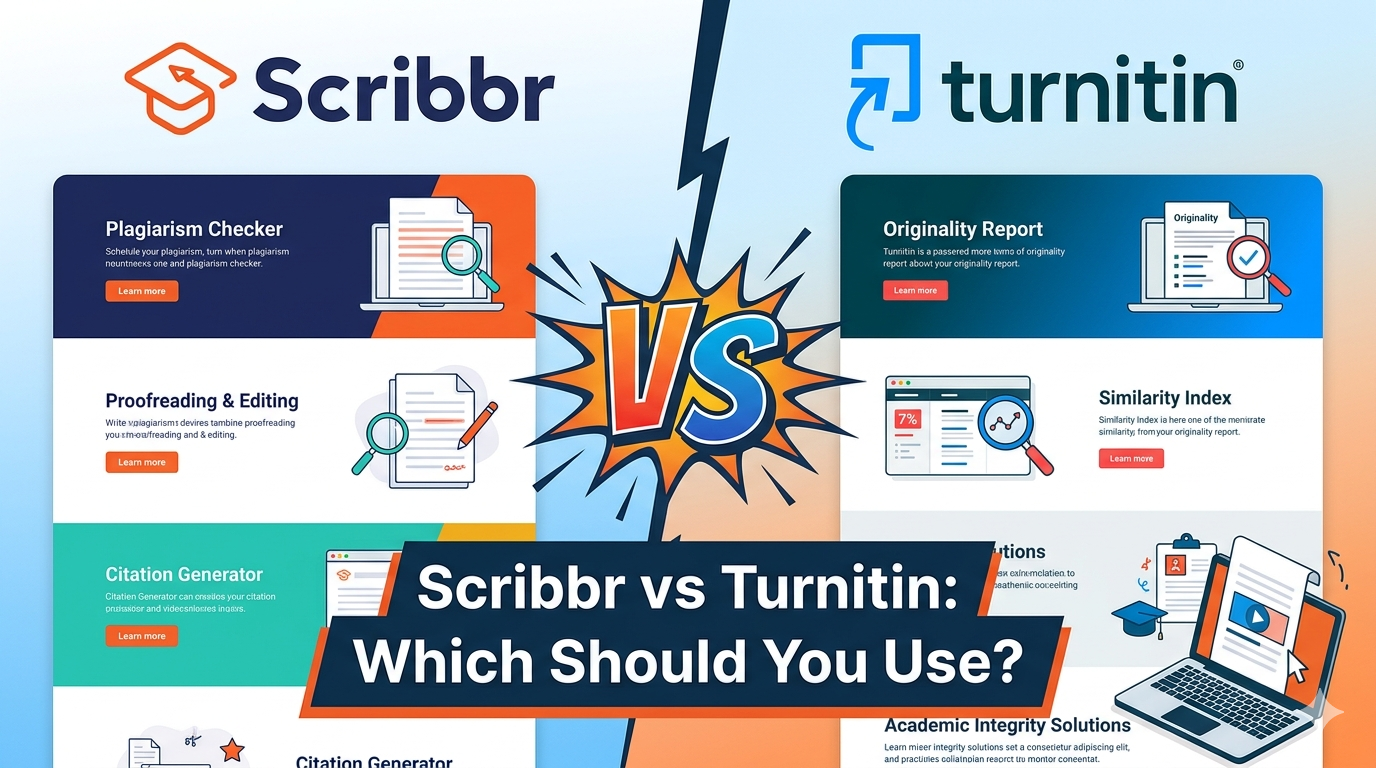
Scribbr vs Turnitin: Which Plagiarism Checker Is Better? (2026)
June 5, 2026
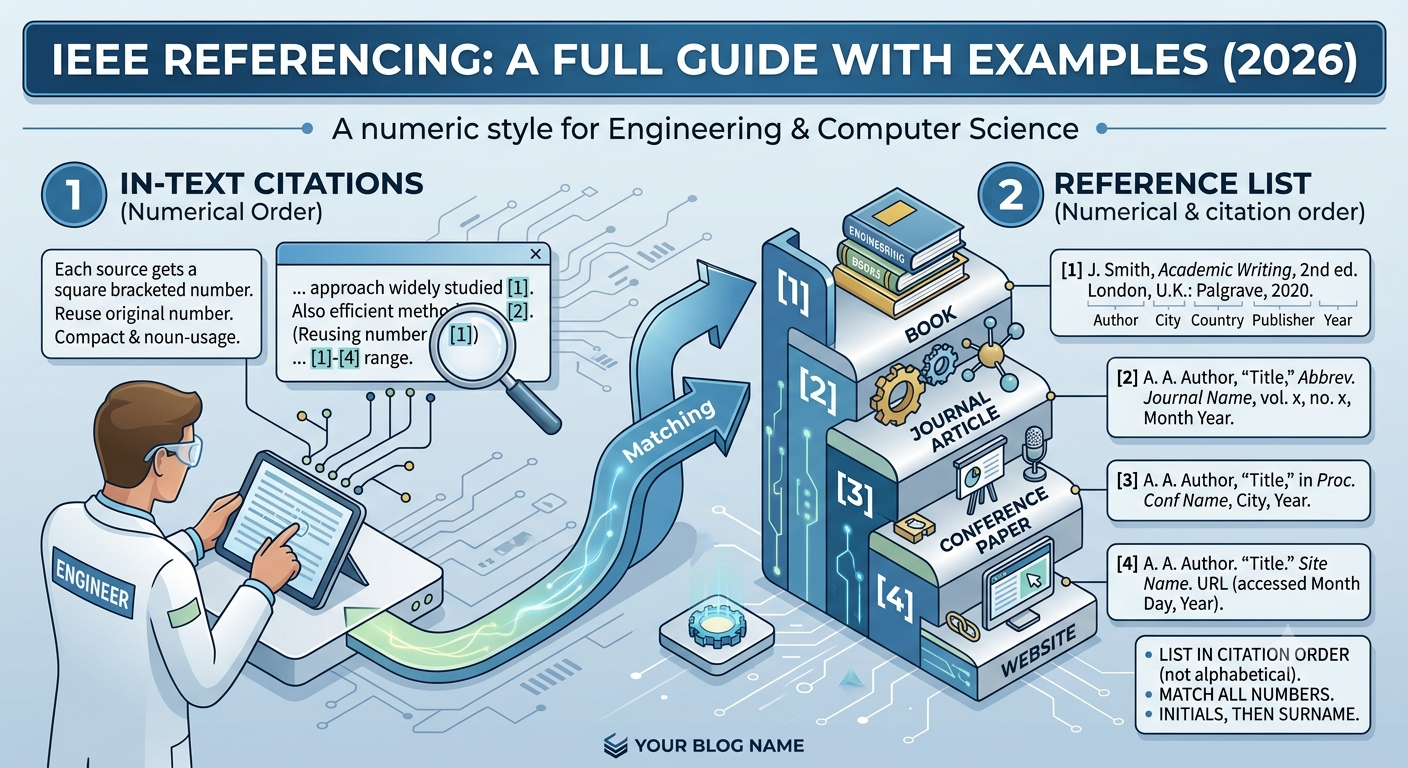
IEEE Referencing: A Full Guide with Examples (2026)
September 6, 2026

Want more tips & great deals? Get them sent to your inbox
Please enter a valid E-mail
By clicking "Subscribe" you agree to be contacted via e-mail. You can always unsubscribe from the newsletter


