
Ready by 9:09am Oct 17, 2026
How to Write a Reflective Essay with Gibbs’ Cycle and Examples
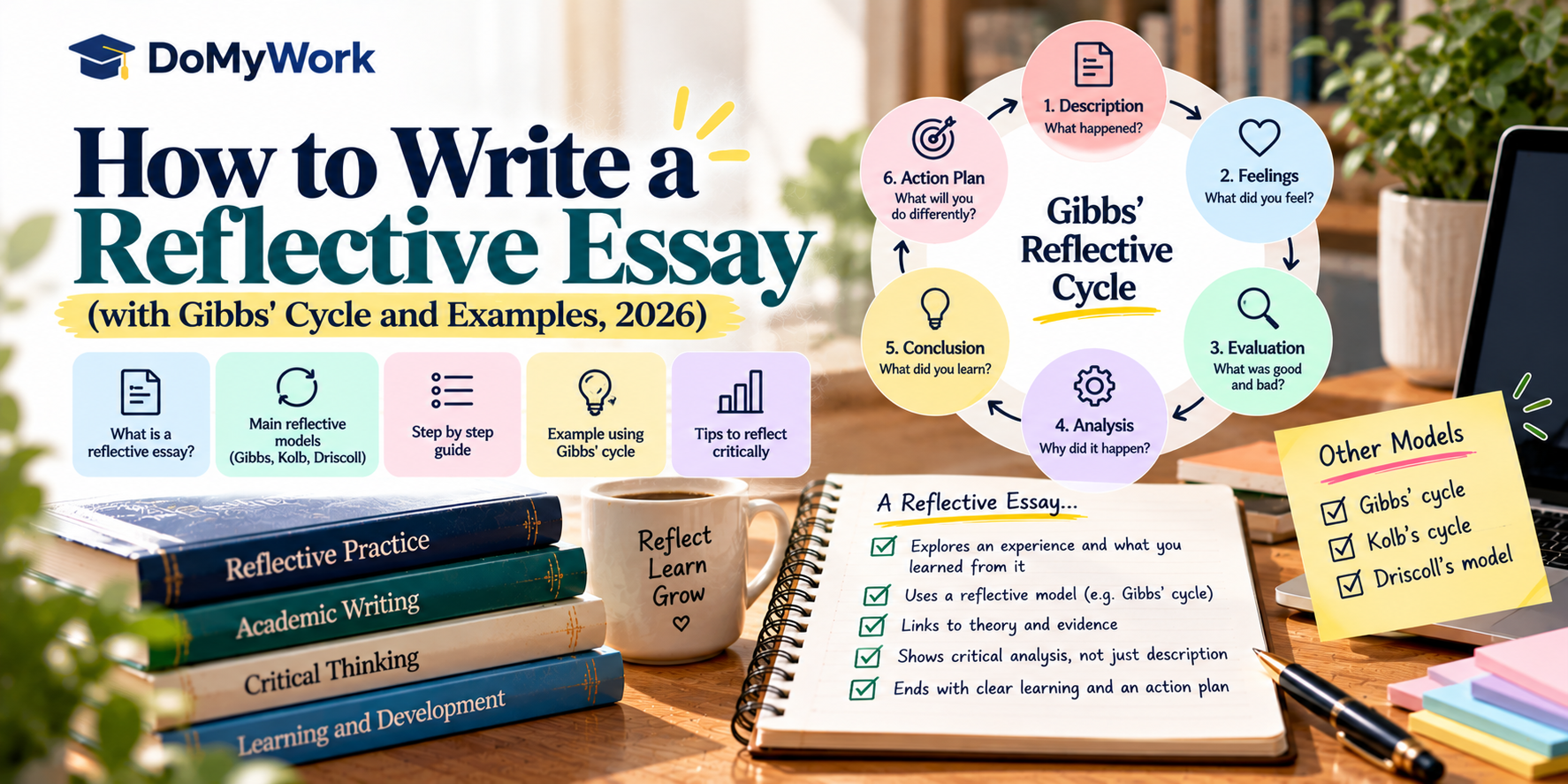
A reflective essay explores an experience and what you learned from it. It is usually written in the first person and structured around a reflective model such as Gibbs’ cycle. A strong reflective essay does more than describe what happened: it analyses your response, links it to theory, and sets out what you would do differently.
A reflective essay asks you to look back on an experience, a placement, a group project, a piece of learning, and explore what it meant and what you took from it. It is one of the few academic tasks written largely in the first person, which can make it feel unlike other essays, but it is still an academic piece: it rewards analysis, honesty and a link to theory, not just a diary of events. This guide explains what a reflective essay is, the models that structure one, and how to write it well, with a worked example using Gibbs’ cycle. Whatever the experience, the same discipline that shapes any assignment still applies, which our how to structure an assignment guide covers.
What is a reflective essay?
A reflective essay is a piece of academic writing in which you examine an experience and reflect on what you learned from it. It combines a personal account with genuine analysis: you describe what happened, but you also explore how you responded, why, and what it means for your future practice. This is why reflective writing is so common in nursing, education, social work and other professional courses, where learning from experience is central. What separates a strong reflective essay from a personal anecdote is analysis: the essay does not simply narrate events, it interrogates them, often against relevant theory or professional standards. Written in the first person, it is personal, but it is still evidenced and analytical.
What are the main reflective models?
Most reflective essays are structured around a model, which gives your reflection a clear shape and stops it drifting into pure description. Three are common, and your course may specify one. The table sets them out.
| Model | Stages | Best for |
|---|---|---|
| Gibbs’ cycle | Description, Feelings, Evaluation, Analysis, Conclusion, Action Plan | A thorough, staged reflection; widely used in nursing and education |
| Kolb’s cycle | Concrete Experience, Reflective Observation, Abstract Conceptualisation, Active Experimentation | Linking experience to theory and future action |
| Driscoll’s model | What? So what? Now what? | A simple, quick reflective structure |
Gibbs’ Reflective Cycle is the one you will meet most often on UK courses, because its six stages walk you from what happened through to what you will do differently, which suits a full reflective essay. Driscoll’s three questions are a lighter alternative for shorter reflections. Whichever your course asks for, use it consistently, since the model is the backbone of the essay.
How is a reflective essay structured?
A reflective essay still has an introduction, a body and a conclusion, but the body is usually organised around your chosen model. The introduction briefly sets the scene, introduces the experience and signals what you will reflect on. The body then works through the model’s stages, describing the experience, exploring your response, analysing it against theory, and drawing out what you learned. The conclusion sums up your learning and, in most models, sets out an action plan for what you would do differently next time. Even though it is personal, keep it focused: every stage should build towards the learning, not wander into unrelated detail.
How to write a reflective essay step by step
- Choose a specific experience worth reflecting on, one that taught you something, rather than a whole placement or module.
- Select your reflective model, following your course’s requirement, and use it to structure the body.
- Work through each stage in turn, moving from description towards analysis rather than staying at the surface.
- Link your reflection to theory, research or professional standards, since a reflective essay is still evidenced.
- End with honest, specific learning and an action plan for what you would do differently.
The single biggest lift comes from moving beyond description. Many reflective essays spend too long on what happened and too little on what it meant, when the analysis is where the marks are, exactly the descriptive-to-critical shift our how to write critically guide develops. For students on nursing and healthcare courses, where reflection is a core skill, our how to write a nursing essay guide covers how reflection fits the wider demands of the discipline.
Reflective essay example using Gibbs’ cycle
The short illustration below shows how each stage of Gibbs’ cycle works, using a group-presentation experience. These are brief examples of what each stage does, not a full essay to copy: your own reflection should be written from your own experience.
Description I briefly set out what happened: our group prepared a presentation, and on the day two members had not completed their sections, so I had to improvise part of the delivery.
Feelings I explore my honest response: I felt anxious and briefly resentful, but also determined to hold the presentation together.
Evaluation I weigh what went well and badly: the delivery held up and the audience engaged, but the preparation had clearly broken down.
Analysis I analyse why, linking to theory: drawing on a model of team roles, I consider how unclear responsibilities and weak communication led to the gap, rather than blaming individuals.
Conclusion I draw out the learning: I conclude that the group needed clearer roles and earlier check-ins, and that I could have raised concerns sooner.
Action Plan I set out what I would do differently: in future group work I will agree on roles and deadlines at the start and schedule a check-in before the deadline.
Notice how the later stages, analysis and action plan, carry the real weight. A reflective essay that stops at description and feelings has not yet done the academic work; it is the analysis against theory and the concrete plan that earn the marks.
How do you reflect critically, not just describe?
Critical reflection is what turns a personal account into an academic essay. Instead of only recording what happened and how you felt, you ask why: why you responded as you did, what assumptions shaped your actions, and what theory or evidence helps explain the situation. You weigh different interpretations rather than settling for the obvious one, and you are honest about what did not go well, since a reflection that only praises yourself convinces no one. Crucially, you link your experience to reading, whether that is professional standards, a model, or research, and because you are drawing on sources, you still reference them properly and avoid plagiarism. This analytical honesty, more than the events themselves, is what a marker rewards.
Common reflective essay mistakes to avoid
- Describing too much and analysing too little, so the essay reads as a diary.
- Only reflecting on what went well, rather than being honest about difficulties.
- Ignoring theory, when a reflective essay should still link to reading and evidence.
- Drifting from the chosen model instead of working through it consistently.
- Vague learning, rather than a specific, honest action plan for next time.
Reflective writing is a genuine skill, and it improves quickly once you push past description into honest analysis. Choose a focused experience, work through your model, link to theory, and end with a concrete plan. Before you submit, it is worth checking your own finished draft for originality, which you can do with our plagiarism check. Whatever the experience, the same principle holds throughout: describe briefly, analyse deeply, and let the learning, not the story, carry the essay.
Popular posts

Nursing Dissertation Topics: 110+ Ideas with Research Aims (2026)
March 2, 2026
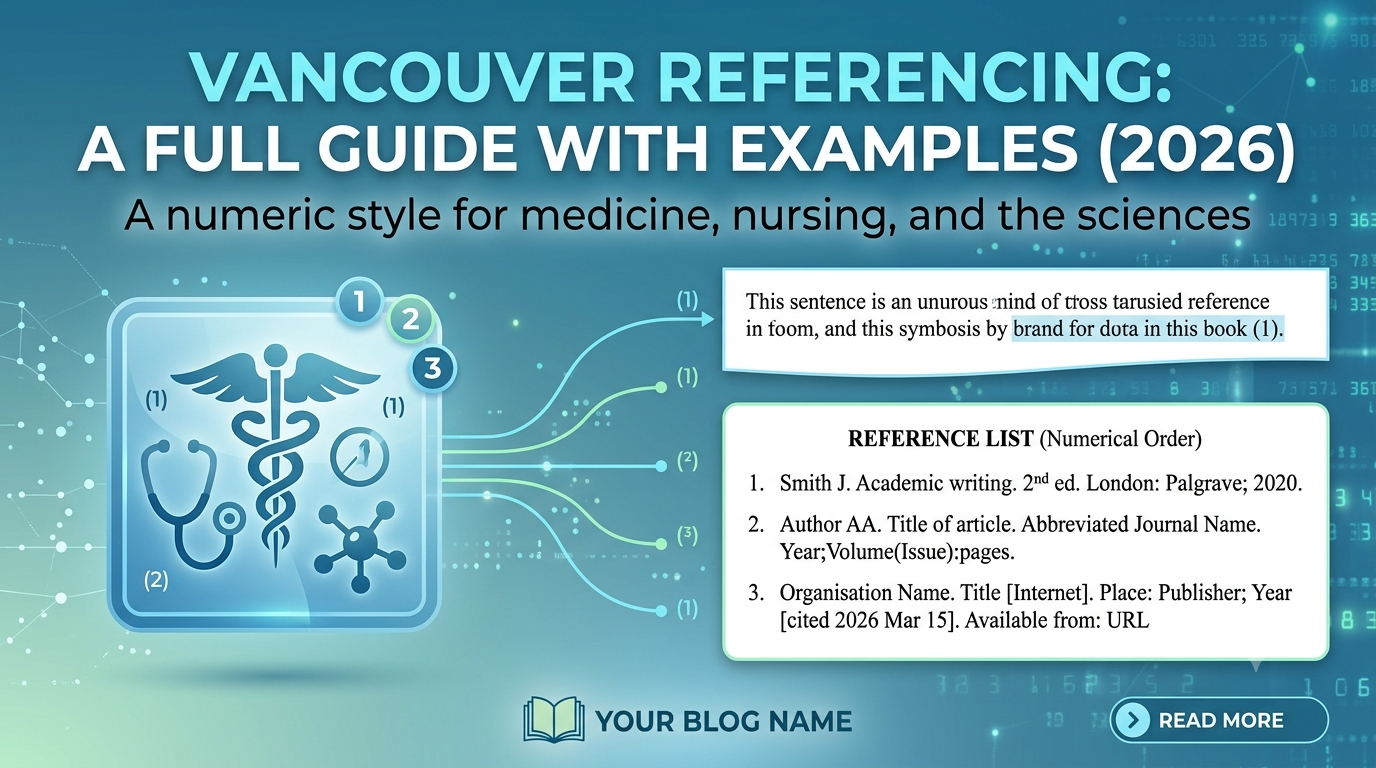
Vancouver Referencing: A Full Guide with Examples (2026)
August 31, 2026
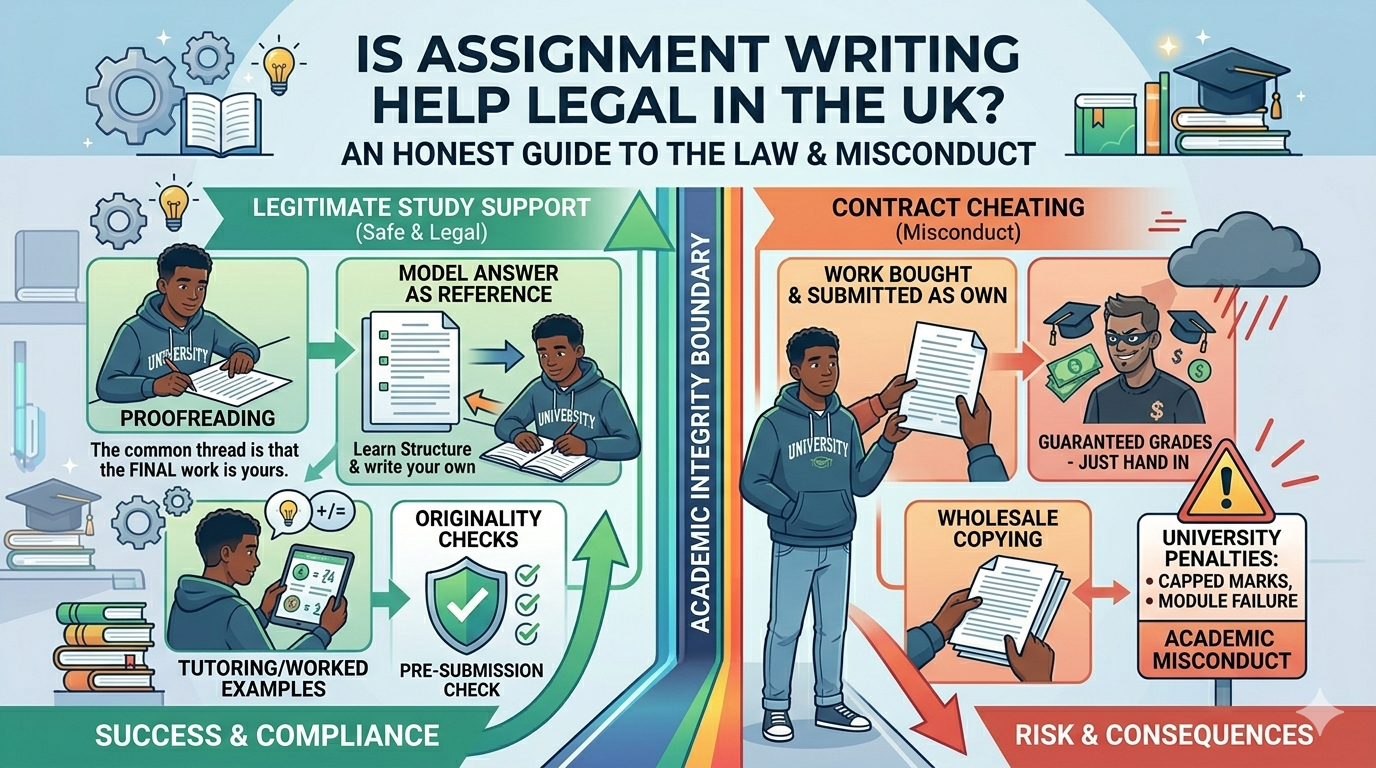
Is Assignment Writing Help Legal in the UK? An Honest Guide
June 25, 2026
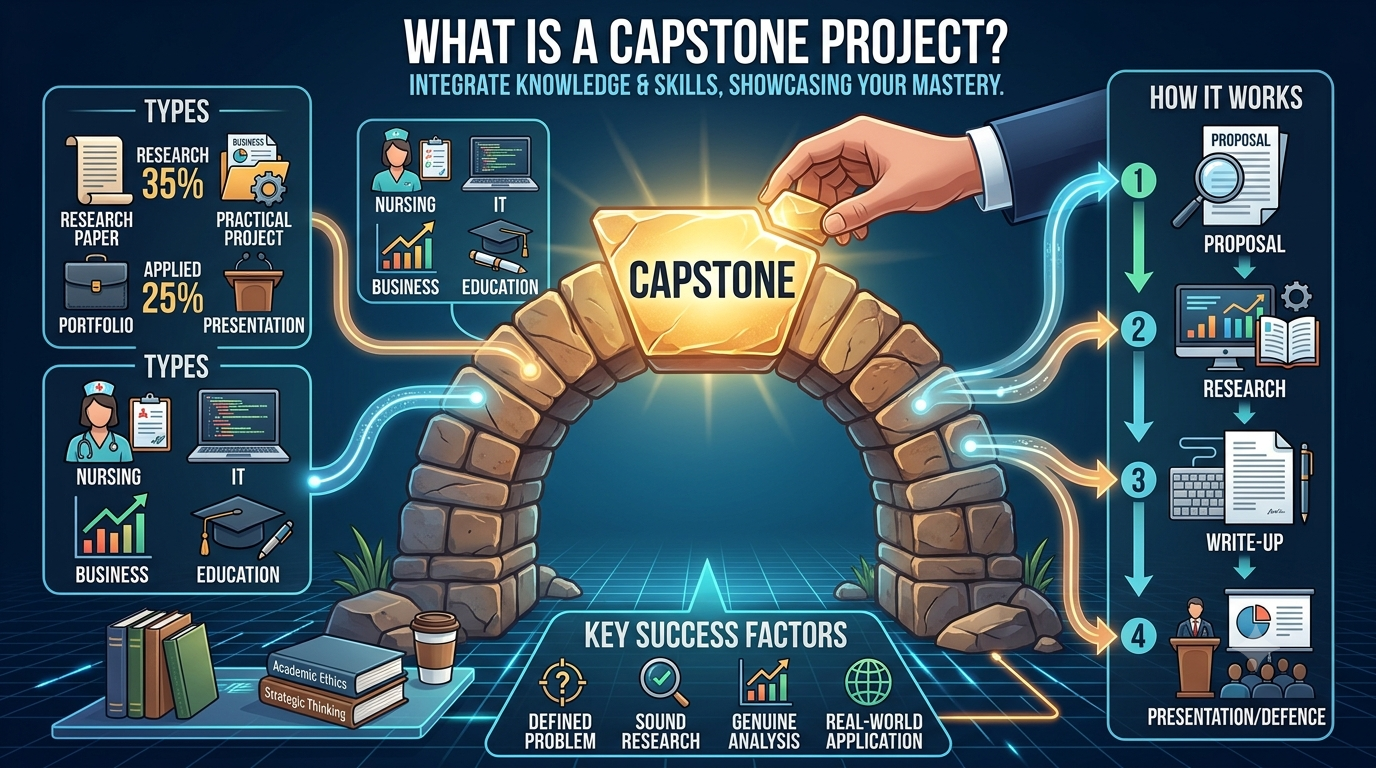
What Is a Capstone Project? Types and Examples
June 24, 2026

How Accurate Are AI Detectors? False Positives Explained
July 6, 2026

Want more tips & great deals? Get them sent to your inbox
Please enter a valid E-mail
By clicking "Subscribe" you agree to be contacted via e-mail. You can always unsubscribe from the newsletter


