
Ready by 2:00pm Sep 23, 2026
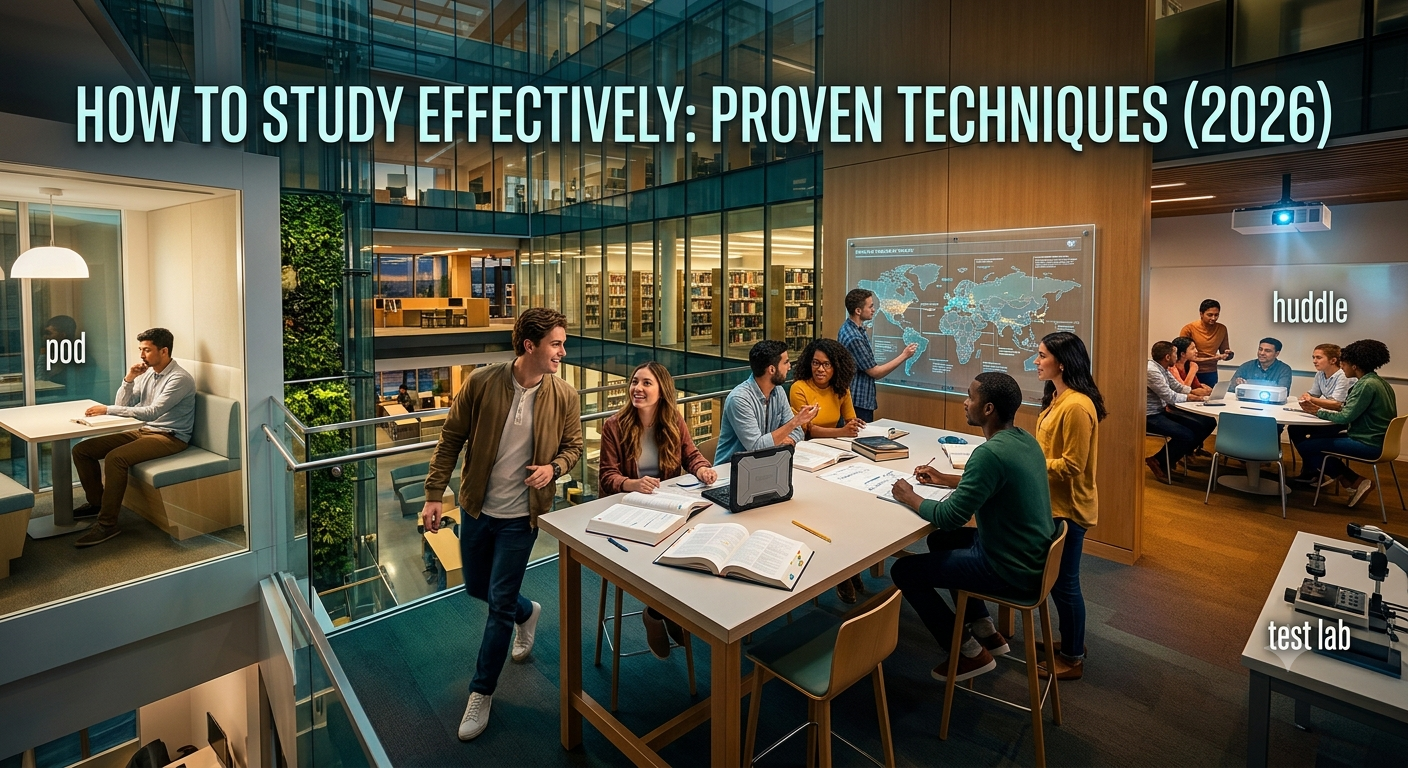
How to Study Effectively: Proven Techniques (2026)
Studying effectively is about how you study, not how long. The methods with the strongest evidence are active recall, testing yourself rather than re-reading, and spaced repetition, revisiting material over time. Focused, distraction-free sessions and studying by doing beat passive re-reading and highlighting, which feel productive but achieve little.
Most students study the way they were never taught to: re-reading notes, highlighting textbooks, and measuring effort in hours. The uncomfortable truth is that these feel productive while doing very little, and the methods that actually work are often the ones that feel harder. Decades of research on learning point clearly to a small set of techniques that make study far more effective. This guide sets out what those techniques are, why they work, and how to use them, so the time you spend studying actually translates into learning and better grades.
Why studying harder is not the same as studying smarter
Effort is easy to confuse with progress. Spending long hours re-reading a chapter feels like hard work, but if little of it sticks, the time is largely wasted, which is why some students study for hours and still underperform. Effective studying is about the quality of what you do, not the quantity of time you put in. The most powerful techniques share one feature: they make your brain work to retrieve and use information, rather than passively review it. Once you understand that difficulty, within reason, is often a sign that real learning is happening, you can choose methods that work rather than ones that merely feel busy.
Active recall: test yourself
Active recall is the single most effective study technique, and it is simply the practice of retrieving information from memory rather than re-reading it. Instead of looking over your notes, close them and try to write down or explain what you know, then check. Every act of retrieval strengthens the memory, which is why testing yourself is far more powerful than reviewing. In practice, this means using flashcards, answering practice questions, covering your notes and reciting them, or explaining a topic aloud. It feels harder than re-reading, and that difficulty is exactly the point, because the effort of recalling is what builds durable memory.
Spaced repetition: study over time
Spaced repetition means revisiting material at increasing intervals over days and weeks, rather than cramming it all at once. Memory fades over time, but each well-timed review resets and strengthens it, so a topic reviewed today, then in a few days, then a week later, is retained far better than the same total time spent in one sitting. This is why cramming the night before an exam produces knowledge that vanishes almost immediately, while spaced study builds lasting understanding. Combining spaced repetition with active recall, testing yourself on material at spaced intervals, is the most effective study strategy that research has identified.
Study by doing, not just reading
Passive reading is one of the weakest ways to learn, because your eyes can move over a page while very little registers. Active engagement works far better: summarise ideas in your own words, solve problems, apply concepts to examples, and teach the material to someone else. Explaining a topic as if to a friend, sometimes called the Feynman technique, quickly exposes the gaps in your understanding that re-reading hides. Turning study into an active process, where you produce, apply and explain rather than simply absorb, is what turns reading into learning, and it connects closely to taking good, active notes rather than transcribing.
Focus: study without distraction
How you focus matters as much as which techniques you use. Studying in short, fully focused blocks, free of phone notifications and multitasking, achieves far more than long stretches of distracted, half-attentive work. A popular structure is to work in focused intervals with short breaks between them, such as twenty-five minutes of work followed by a five-minute break, which keeps concentration high and prevents burnout. Removing distractions, especially your phone, is often the single biggest improvement a student can make, because divided attention weakens memory and slows everything down. Protecting your focus is the foundation that lets the other techniques work.
The methods that do not work well
It is just as useful to know what to stop doing. Re-reading notes and textbooks, highlighting, and copying out material are the most popular study methods and among the least effective, because they are passive and give a false sense of familiarity that is easily mistaken for knowledge. Recognising a fact when you see it is not the same as being able to recall it, which is what an exam demands. This does not mean never reading, but it does mean not relying on re-reading as your main method. Replacing passive review with active recall is the highest-impact change most students can make.
Take active, useful notes
Good study starts with good notes, but the goal is notes you engage with, not a perfect transcript. Writing notes in your own words, organising them by ideas rather than copying verbatim, and later using them for active recall is far more effective than producing beautiful notes you never revisit. Our note-taking methods guide covers the systems that support active study, from the Cornell method to mind mapping. The test of a good set of notes is not how they look but how well they help you retrieve and understand the material later, which is what studying effectively ultimately depends on.
Study in the right environment
Where you study shapes how well you study, more than most people realise. A consistent, dedicated study space, free of clutter and distraction, signals to your brain that it is time to focus, and returning to the same place builds a helpful habit. Good light, a comfortable but upright setup, and everything you need within reach all reduce the small frictions that break concentration. Just as importantly, keep your phone out of the space entirely, since its mere presence has been shown to reduce focus even when it is face down and silent. If home is too distracting, a library or a quiet study room often works better, precisely because the environment is built for concentration. Matching your environment to the demands of focused study is a simple change that makes every other technique easier to apply.
Putting an effective study routine together
Bringing it together, an effective routine looks like this: study in focused, distraction-free blocks; use active recall as your main method, testing yourself rather than re-reading; space that practice out over days and weeks rather than cramming; and engage actively by summarising, applying and explaining. Plan your study across your week so spacing is possible, which our time management for students guide helps with, and drop the passive methods that only feel productive. None of this requires more hours; it requires spending the hours you have on the techniques that actually build lasting learning, which is what studying effectively really means.
Popular posts

Can Students Access Turnitin Without Their University? Here Is the Truth
April 15, 2026
How to Complete a Commercial Cookery Logbook (SITHCCC Units Guide)
July 4, 2026
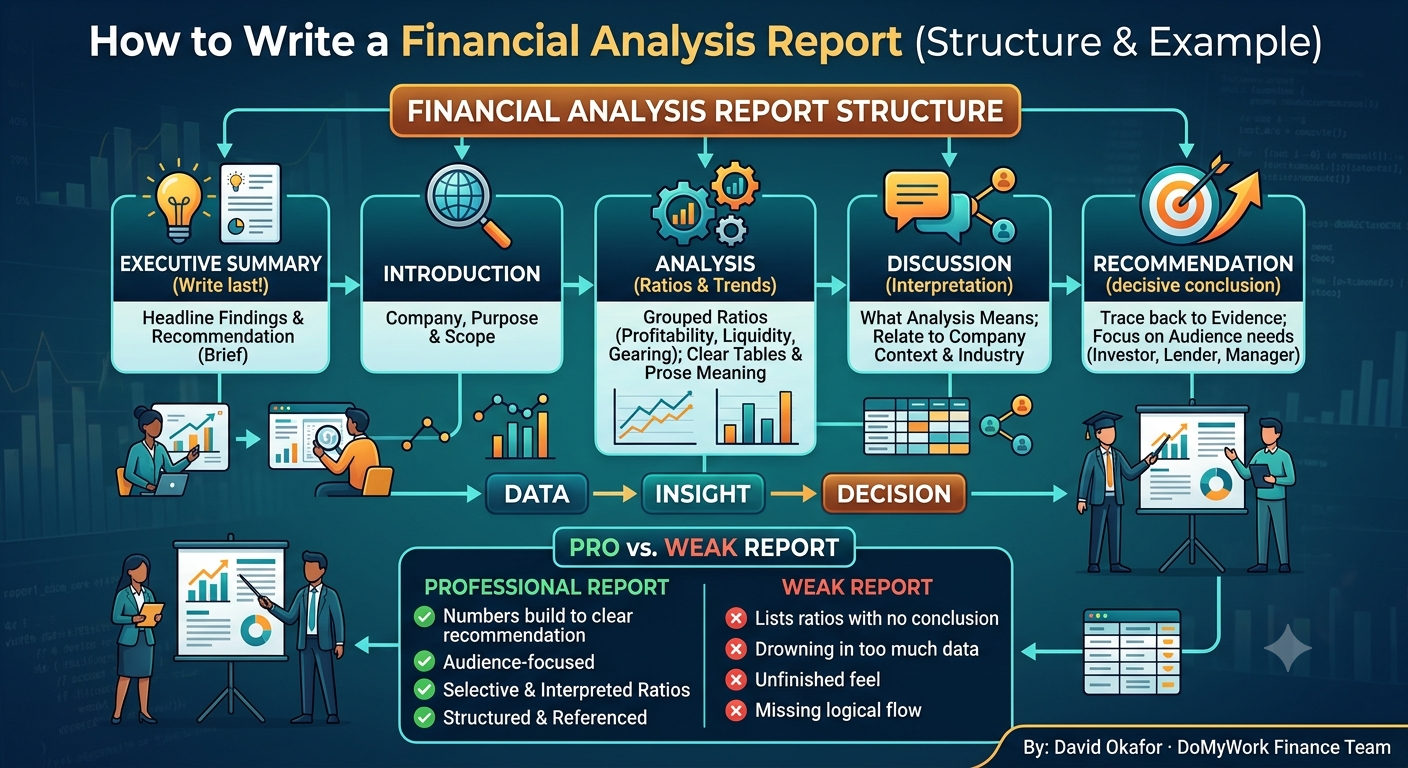
How to Write a Financial Analysis Report (Structure and Example)
July 13, 2026

Finance and Accounting Dissertation Topics You Can Actually Research
March 11, 2026
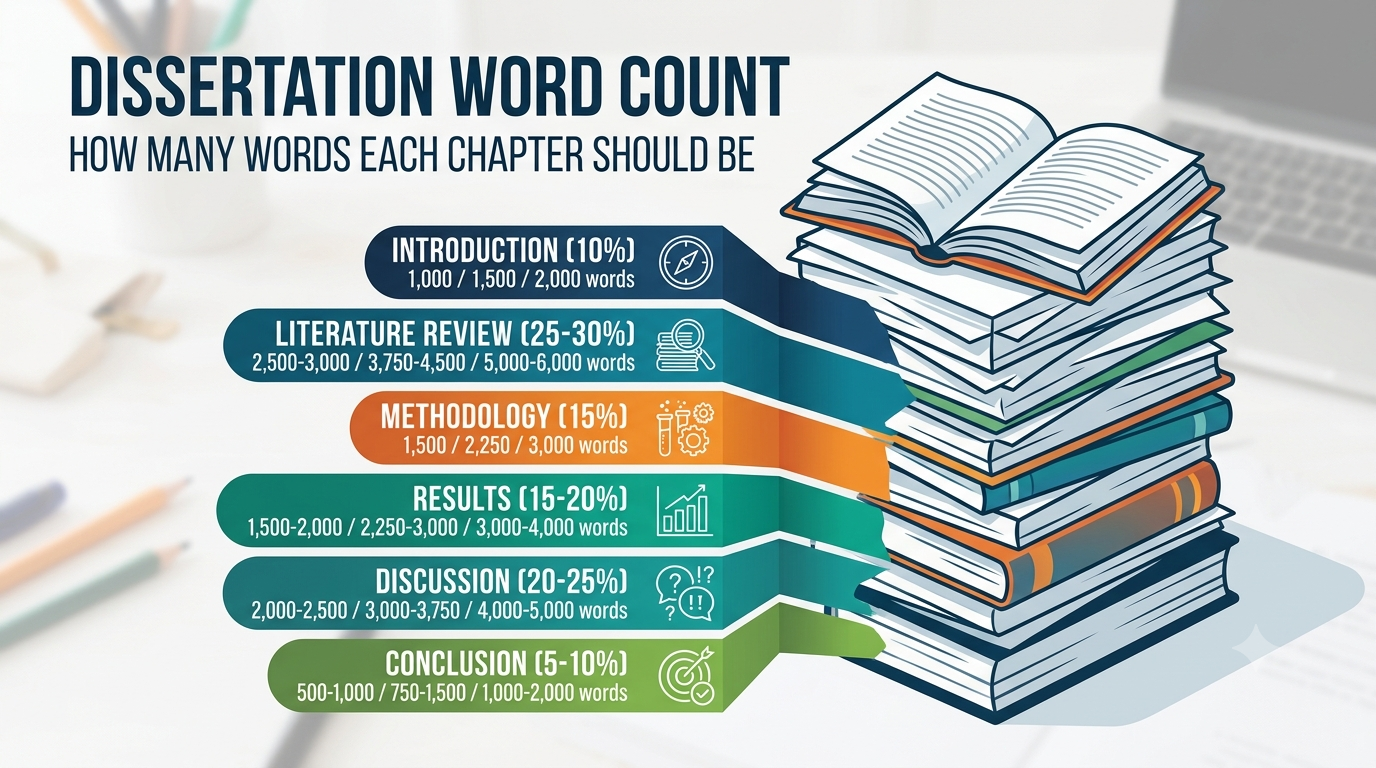
Dissertation Word Count: How Many Words Each Chapter Should Be
July 27, 2026
Want more tips & great deals? Get them sent to your inbox
Please enter a valid E-mail
By clicking "Subscribe" you agree to be contacted via e-mail. You can always unsubscribe from the newsletter


