

Ready by 6:46pm Oct 21, 2026
What Do UK University Markers Actually Look For? Inside the Marking Criteria
You have spent days working on an essay. You are fairly happy with it. You submit it, wait two weeks, and then get a 58%. No detailed feedback, just a grade and a few vague comments about needing more critical depth. Sound familiar? The truth is, most students submit their work without fully understanding how it will be marked. Every UK university uses some form of marking criteria, and once you know what those criteria actually mean, you can tailor your writing to hit every single point your marker is looking for.
The Four Pillars of UK Marking Criteria
While every university has its own specific rubric, most UK institutions assess student work across four main areas. Understanding these four pillars will give you a genuine advantage over classmates who write without this awareness.
1. Knowledge and Understanding
This measures whether you actually understand the topic. Markers look for accurate use of key theories, concepts, and terminology. A First Class answer shows depth of understanding, not just surface level awareness. Mention relevant scholars by name, refer to specific theories, and show that you grasp how different ideas connect to each other.
2. Critical Analysis and Evaluation
This is where most students fall short and where the biggest marks are won or lost. Analysis means going beyond describing what scholars have said. It means weighing up the strengths and weaknesses of different arguments, identifying gaps or contradictions, and offering your own reasoned judgement.
A 2:1 essay describes and summarises. A First Class essay questions, challenges, and evaluates. If you want higher grades, spend more time on this pillar than any other.
3. Structure and Presentation
Markers notice how your work is organised. A well structured essay has a clear introduction that states the argument, body paragraphs that each focus on a single point, and a conclusion that ties everything together. Paragraphs should flow logically from one to the next with clear transitions.
Presentation also covers formatting, word count, referencing accuracy, and overall readability. Spelling errors, inconsistent referencing, and messy formatting will drag your mark down even if the content is strong.
4. Use of Sources and Evidence
This pillar assesses the quality and range of your sources. Are you using peer reviewed journal articles and academic textbooks, or are you relying on lecture slides and Wikipedia? Markers want to see that you have read widely, engaged with the literature, and used sources to genuinely support your argument rather than just padding your reference list.
The Real Difference Between Grade Boundaries
A Third (40 to 49%) typically shows basic understanding with mostly descriptive content and limited sources. A 2:2 (50 to 59%) shows reasonable understanding with some analysis but often lacks depth. A 2:1 (60 to 69%) demonstrates good understanding, clear structure, and solid analysis but may not fully develop every argument. A First (70%+) shows excellent critical analysis, wide reading, independent thinking, and polished presentation.
If you are consistently landing in the 2:2 or low 2:1 range and want to push higher, working with experienced essay writing experts can help you see what First Class work actually looks like in your subject area.
How to Use Marking Criteria to Your Advantage
Before you start any assignment, find the marking rubric for that module. Most lecturers include it in the assignment brief or on the virtual learning environment. Read it carefully and highlight the phrases that describe the highest grade band.
Then, as you write each paragraph, check it against those descriptors. Does your paragraph demonstrate critical analysis? Does it use a range of quality sources? Is it clearly structured with a topic sentence and supporting evidence? If the answer is yes, you are on the right track.
You might also find our earlier guide on how to write a First Class essay helpful for putting these criteria into practice with a clear writing framework.
Ask for Feedback Before the Deadline
Many students only see feedback after they have already submitted. But most lecturers are happy to review draft outlines or discuss your approach during office hours. Take advantage of this. A five minute conversation about your essay plan can save you from going down the wrong path.
If your lecturer is not available or you want detailed written feedback on a full draft, DoMyWork is trusted by students across the UK for exactly this kind of support. Getting a second pair of expert eyes on your work before submission can make a real difference to your final grade.
Next up in our student success series, we tackle time management strategies for university students so you can hit every deadline without sacrificing your wellbeing.
Popular posts

How to Write a PESTLE Analysis for an Assignment (with Example, 2026)
August 23, 2026

Can Students Access Turnitin Without Their University? Here Is the Truth
April 15, 2026

How to Write a SWOT Analysis for an Assignment (with Example, 2026)
August 24, 2026
Scribbr vs Turnitin: Which Plagiarism Checker Is Better? (2026)
June 5, 2026
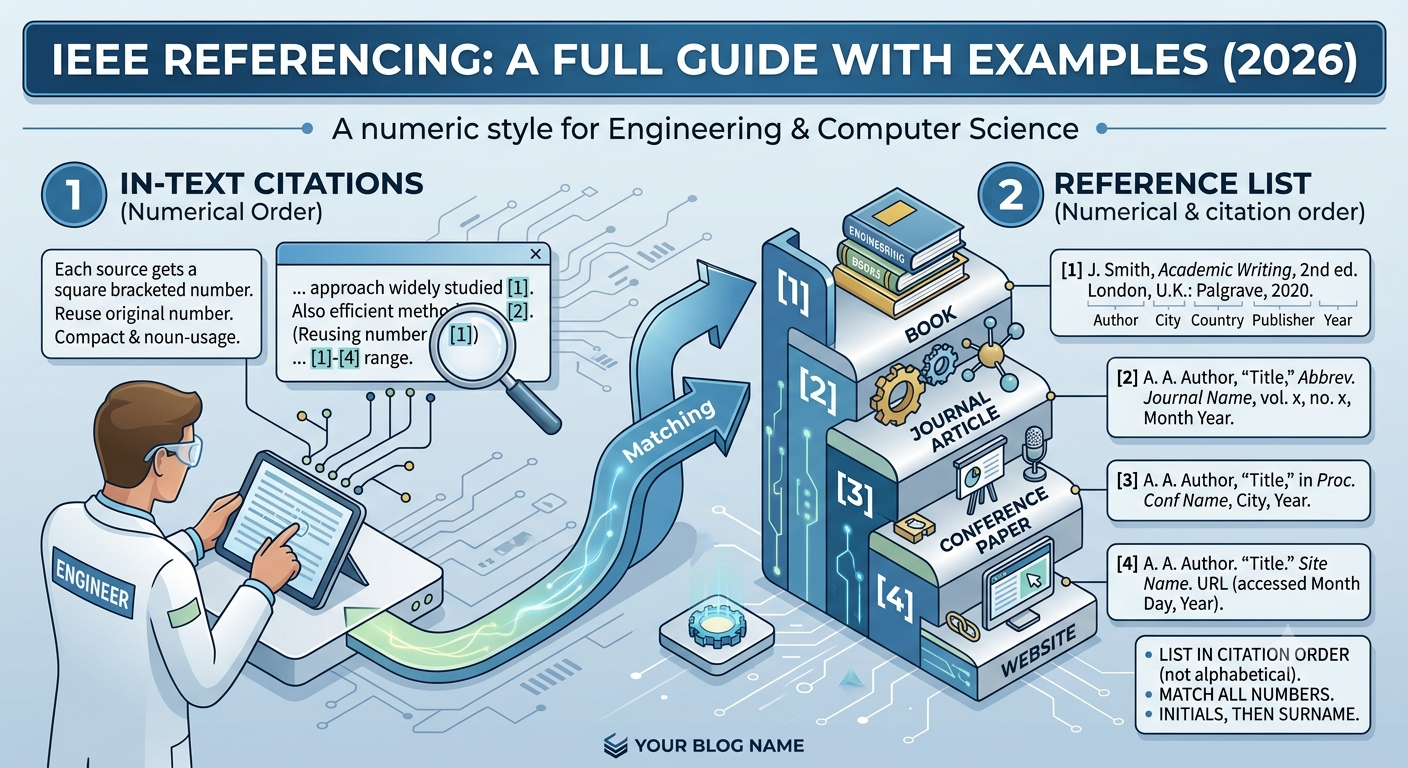
IEEE Referencing: A Full Guide with Examples (2026)
September 6, 2026

Want more tips & great deals? Get them sent to your inbox
Please enter a valid E-mail
By clicking "Subscribe" you agree to be contacted via e-mail. You can always unsubscribe from the newsletter


