
Ready by 5:56am Oct 14, 2026
How to Stay Motivated to Do Homework (2026)
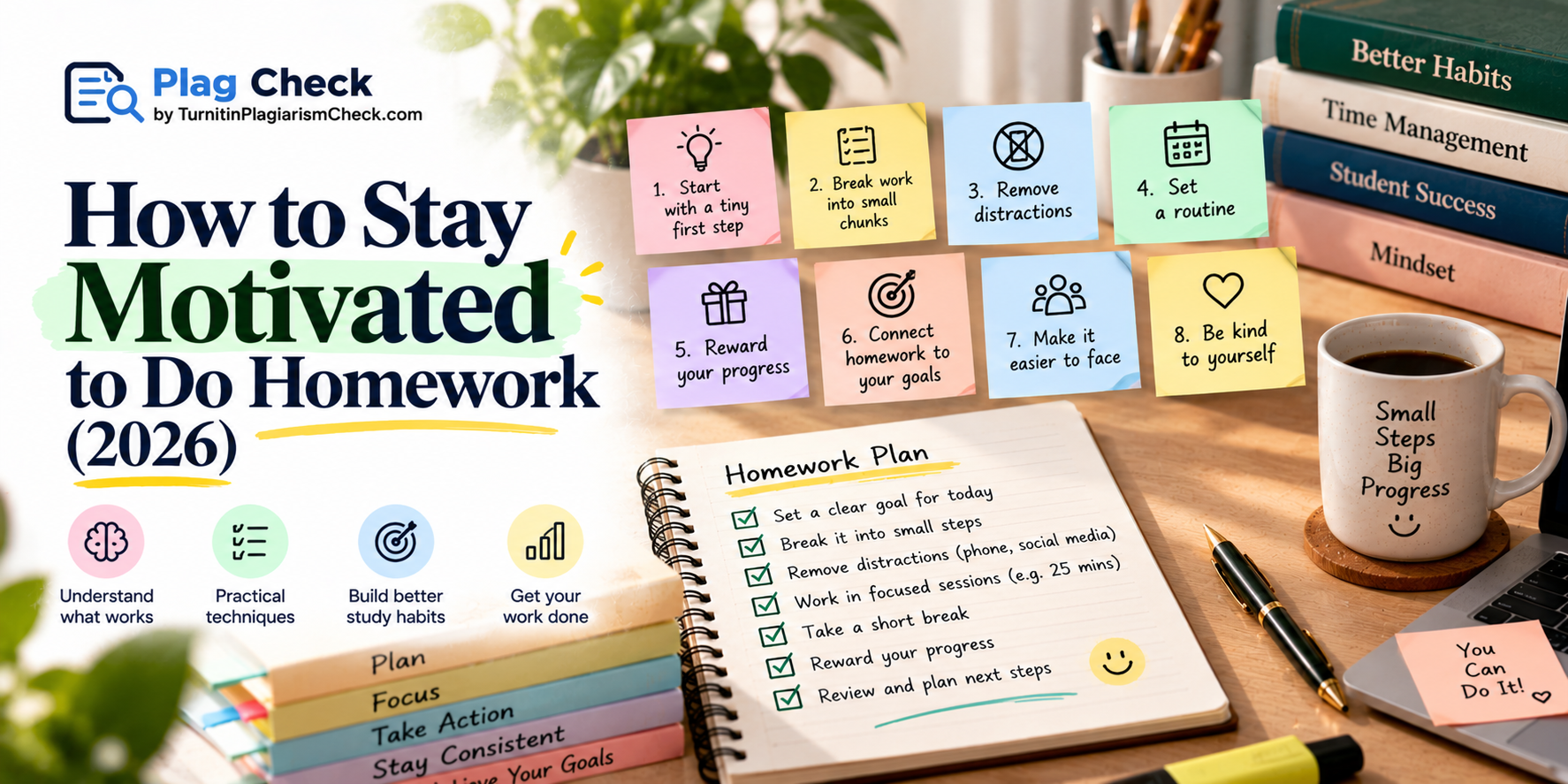
Staying motivated to do homework is less about willpower and more about habits and systems. Break work into small steps, remove distractions, set a routine, reward progress, and start with a tiny first step, since starting usually creates motivation. Making the work feel manageable is what keeps you going.
Everyone struggles to motivate themselves to do homework at times, and waiting to feel motivated before starting is the surest way never to begin. The truth is that motivation usually follows action rather than preceding it, so the trick is to make starting easy and keep the work manageable. This guide gives practical techniques to help you start, focus and finish, based on how motivation actually works. Many of them overlap with beating procrastination, which our how to stop procrastinating guide covers in more depth.
Why motivation is hard, and what actually works
Motivation is unreliable because it depends on how you feel, and how you feel changes constantly, so building your study habits on it is building on sand. What works better is a system: routines, small steps and removed distractions that make studying happen whether or not you feel like it. The most important insight is that motivation follows action, not the other way round, so you do not need to feel motivated to start, you need to start, and the motivation usually arrives once you are underway. Everything below is designed around making that first move easier.
Start with a tiny first step
The hardest part of homework is starting, so shrink the first step until it feels almost too small to resist. Instead of doing the whole assignment, the step becomes open the book and read one page, or write one sentence. A tiny first step slips past the resistance that stops you beginning, and once you have started, continuing is far easier than starting was, because you build momentum. This is the single most effective motivation technique there is: make the entry point so small that you cannot reasonably avoid it, and let the act of starting generate the motivation to keep going.
Break the work into small chunks
Large tasks feel overwhelming, and overwhelm kills motivation, so break your homework into small, specific chunks you can see the end of. A big assignment becomes a series of manageable steps, each of which feels doable in a short session. Ticking off small tasks also gives you a sense of progress that fuels further effort, which is far more motivating than staring at one huge, vague task. Working from a clear list of small steps removes the paralysis of not knowing where to start and turns a daunting piece of homework into a sequence you can actually work through.
Remove distractions
Motivation cannot compete with a constant stream of distractions, so remove them rather than relying on willpower. Put your phone in another room, close unrelated tabs, and study somewhere quiet, so the easy escape routes are not within reach. Distraction thrives when the alternative to work is easier to reach than the work itself, so your job is to make the work the easiest thing to do. A tidy, distraction-free space where your homework is the obvious next action removes much of the temptation to drift, which does more for your focus than any amount of trying to resist your phone in the moment.
Set a routine
Relying on motivation each day is exhausting, but a routine runs on autopilot. Studying at the same time and in the same place each day builds a habit, so that sitting down to work becomes automatic rather than a decision you have to make and win every time. Pairing homework with an existing part of your day, such as always studying after a particular meal, helps the habit stick. Over time, a routine means you do your homework simply because it is what you do at that time, which removes the daily battle with motivation and makes the whole thing far easier to sustain.
Reward your progress
Rewards help, because they give your brain a reason to associate studying with something positive. Set small rewards for completing chunks of work, a short break, a snack, an episode of something after you finish, so there is something to work towards. Short, focused work sessions followed by a proper break, such as working for a set period then resting, use this naturally and keep motivation and concentration up. The key is to reward progress rather than perfection, and to take the break you promised yourself, since a system of small, reliable rewards makes the work feel less like a slog and keeps you coming back to it.
Connect homework to your goals
Homework feels pointless when it is disconnected from anything you care about, so it helps to remind yourself why it matters. Connecting a task to a larger goal, the grade you want, the course you are aiming for, the future you are working towards, gives the effort meaning and makes it easier to begin. Even a small reminder of why the work matters can shift your attitude from resentment to purpose. You will not always find homework interesting, but seeing how it fits into something you genuinely want gives you a reason to do it even when the task itself is dull, which is often exactly when motivation is hardest.
Make homework easier to face
A few practical touches make homework less of a battle each time. Study with others where you can, since working alongside a friend or a group adds gentle accountability and makes a dull task more bearable, and even studying silently in the same space as someone else who is working helps you stay on task. Prepare your space and materials before you sit down, so you are not derailed by a missing book or a dead pen the moment you start. And tackle the hardest or least appealing task first, while your energy and willpower are highest, rather than leaving it to loom over everything else. None of these is dramatic, but together they lower the friction that makes homework feel harder than it is, and lower friction is what keeps you turning up to the work day after day, which is what motivation, in the end, really comes down to.
Be kind to yourself
Finally, go easy on yourself when motivation fails, because harsh self-criticism makes things worse. Beating yourself up for not starting adds guilt and stress, which are exactly the feelings that make you avoid the work more, creating a spiral. Treating a lapse matter-of-factly, acknowledging it and simply starting the next small step, breaks that cycle far better than self-blame. Struggling to motivate yourself is normal and human, not a failing, so the productive response is practical: shrink the task, remove the distraction, and begin. Self-compassion, combined with good habits, gets far more homework done than willpower and guilt ever will.
Popular posts
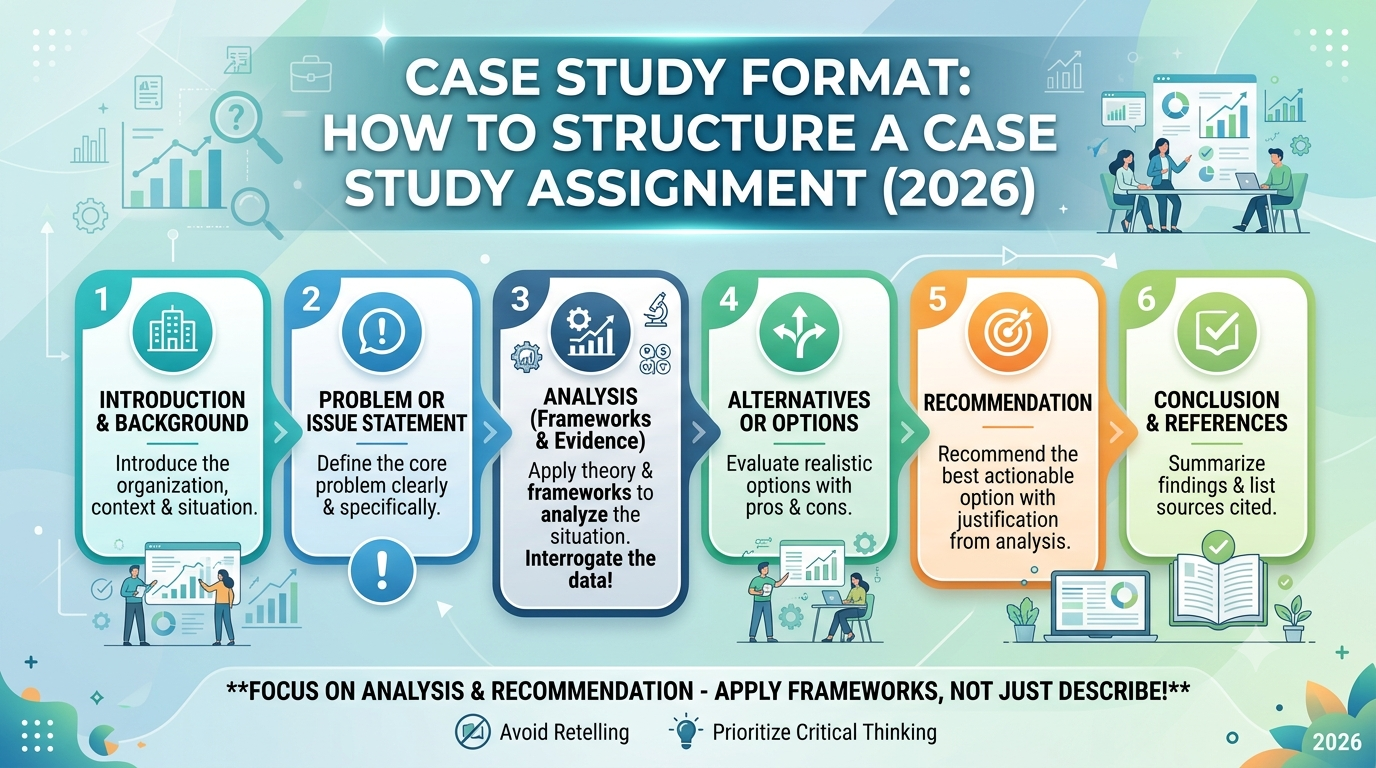
Case Study Format: How to Structure a Case Study Assignment (2026)
August 25, 2026

150 History Research Paper Topics (2026)
September 12, 2026

140 Communication Research Topics (2026)
September 16, 2026

Can Students Access Turnitin Without Their University? Here Is the Truth
April 15, 2026
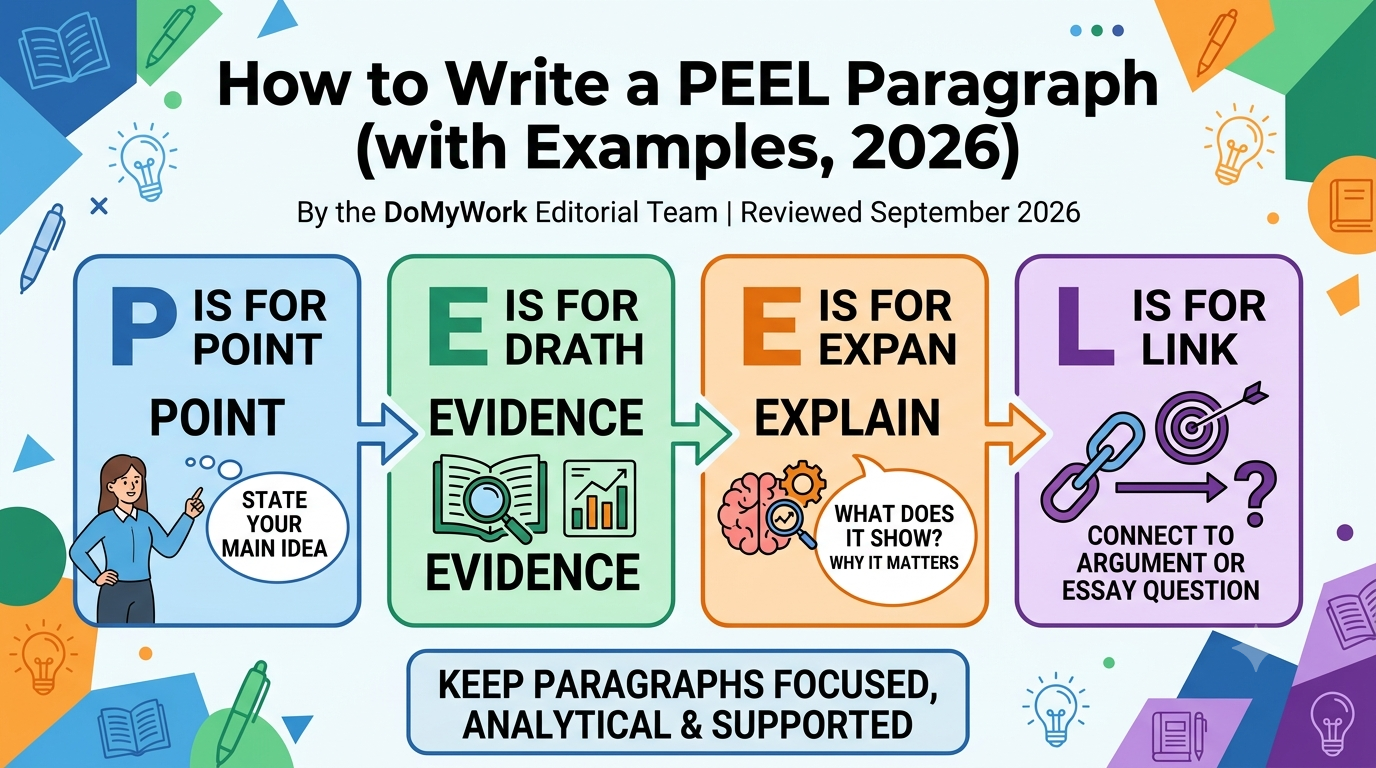
How to Write a PEEL Paragraph (with Examples, 2026)
September 26, 2026


Want more tips & great deals? Get them sent to your inbox
Please enter a valid E-mail
By clicking "Subscribe" you agree to be contacted via e-mail. You can always unsubscribe from the newsletter


