
Ready by 6:08am Sep 27, 2026
How to Write a PEEL Paragraph (with Examples, 2026)
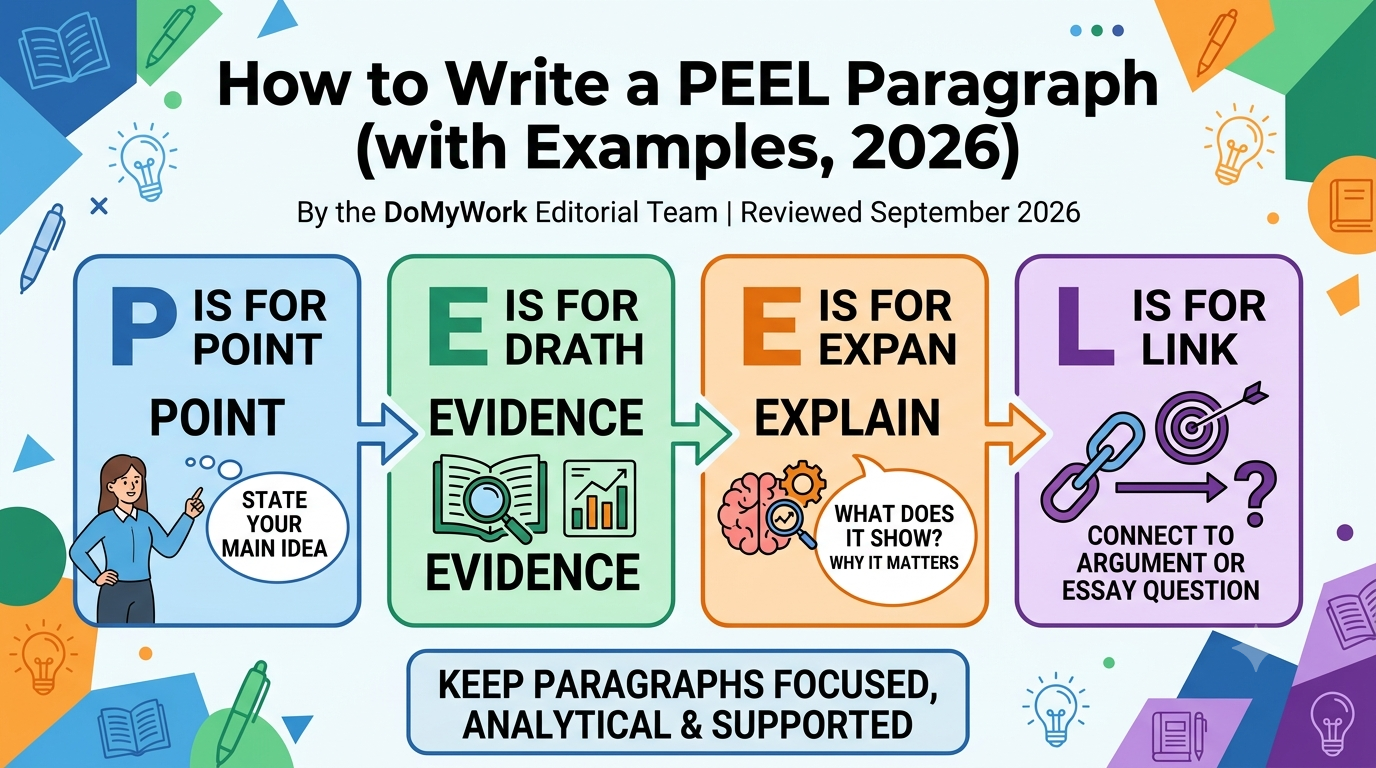
PEEL is a structure for essay paragraphs: Point (state your main idea), Evidence (support it with a source or example), Explain (analyse what the evidence shows), and Link (connect it back to your argument or the question). Using PEEL keeps each paragraph focused and makes sure you analyse rather than just describe.
One of the most common reasons essays lose marks is paragraphs that wander, listing facts without making a clear point or analysing them. PEEL is a simple structure that fixes this, giving every body paragraph a clear shape: point, evidence, explain, link. It is taught widely in UK schools and universities because it works, keeping paragraphs focused and pushing you to analyse. This guide explains each part of PEEL with examples, and shows how to use it without sounding formulaic. It builds directly on the paragraph structure our how to structure an assignment guide.
What does PEEL stand for?
PEEL is an acronym for the four parts of a well-structured paragraph. Point is the main idea of the paragraph, stated clearly at the start. Evidence is the support for that point, a quotation, statistic, example or reference. Explain is your analysis of the evidence, what it shows and why it matters for your point. And Link connects the paragraph back to your overall argument or to the essay question. Together, these four steps take a paragraph from a claim through support to analysis and back to the argument, which is exactly the movement a strong body paragraph needs.
P is for Point
Every paragraph should begin with a clear point, the main idea you are going to make, usually in a single topic sentence. This tells the reader immediately what the paragraph is about and what it contributes to your argument. A strong point is specific and arguable, directly relevant to the essay question, rather than vague or purely descriptive. Starting each paragraph with a clear point also keeps you focused, since everything that follows should support that one idea. If you cannot state a paragraph’s point in a single clear sentence, the paragraph is probably trying to do too much or lacks a clear purpose.
E is for Evidence
After stating your point, support it with evidence, the facts, examples, data, quotations or references that back up your claim. Evidence is what turns an assertion into a supported argument, so a point without evidence is just an opinion. Choose evidence that genuinely supports your specific point, integrate it smoothly into your writing, and reference it properly, which our how to cite sources guide covers. Keep quotations short and purposeful rather than long, and remember that evidence can be a paraphrased finding or an example, not only a direct quote. The evidence sets up the most important step, which is your analysis of it.
E is for Explain
The explained step is where the marks are, and where weak paragraphs fall down. Here you analyse your evidence: explain what it shows, why it matters, and how it supports your point. This is the difference between description, which stops at presenting evidence, and analysis, which interprets it, and it is exactly the critical skill our how to write critically guide develops. A useful test is to ask, after your evidence, what? and answer it. Many students present evidence and move on, but the explanation is what demonstrates your understanding and earns the higher marks, so give it real space in the paragraph.
L is for Link
The final step links the paragraph back to your overall argument or to the essay question, showing how this point contributes to the case you are building. The link stops paragraphs feeling like isolated islands of information and keeps the whole essay coherent, reminding the reader why the point matters to your thesis. A link can also lead into the next paragraph, creating flow between ideas. It need only be a sentence, but it is what ties each paragraph into the argument as a whole, which is what makes an essay read as a sustained case rather than a series of separate points.
A full PEEL paragraph example
Here is a short example on the topic of social media and wellbeing. Point: Social media can negatively affect the wellbeing of young people. Evidence: Studies have found that heavy social media use is associated with higher levels of anxiety among teenagers. Explain: This suggests that constant exposure to idealised images and social comparison may undermine self-esteem, particularly during adolescence when identity is still forming, which helps explain the link between usage and anxiety. Link: This indicates that the effects of social media on young people’s mental health deserve serious attention, supporting the argument that its use should be better regulated. Notice how the paragraph moves from a clear claim, through evidence, into analysis, and back to the argument.
How to use PEEL without sounding formulaic
PEEL is a helpful structure, but used too rigidly it can make writing feel mechanical, so treat it as a guide rather than a straitjacket. You do not have to write exactly one sentence per letter; strong paragraphs often spend two or three sentences explaining, since that is where the analysis lives. You can vary the order occasionally, and you should link ideas naturally rather than announcing each step. As you become more confident, the structure becomes instinctive and you stop thinking about the letters, while your paragraphs keep the underlying shape. The goal is well-structured, analytical paragraphs, and PEEL is a means to that end, not the end itself.
PEEL and its variations: PEE, PETAL, PEEL
You may meet slightly different versions of the same idea, and it helps to know they are variations on one structure rather than competing systems. PEE (point, evidence, explain) is the shorter form, common in earlier years, and is really PEEL without the explicit link. PETAL (point, evidence, technique, analysis, link) is used in English literature, where technique refers to the literary device in a quotation. TEEL simply reorders the elements with topic sentences first. Whatever the acronym, the underlying logic is identical: state a point, support it, analyse the support, and connect it to your argument. So do not be thrown if your department uses a different label; learn the one you are taught, and recognise that they all serve the same purpose of building a focused, analytical paragraph. The link matters most as your writing matures, which is why PEEL, with its explicit link, suits university-level work better than the shorter PEE.
Common PEEL mistakes to avoid
Stating a point but never supporting it with evidence.
● Giving evidence but not explaining what it shows, so the paragraph stays descriptive.
● Writing a vague point that is not clearly relevant to the question.
● Forgetting the link, so paragraphs feel disconnected from the argument.
● Following PEEL so rigidly that the writing reads as mechanical.
Master PEEL and every body paragraph in your essay will make a clear, supported, analysed point that advances your argument, which is exactly what markers reward. Combined with a strong thesis statement to argue towards, well-built PEEL paragraphs are the foundation of a coherent, analytical essay.
Popular posts
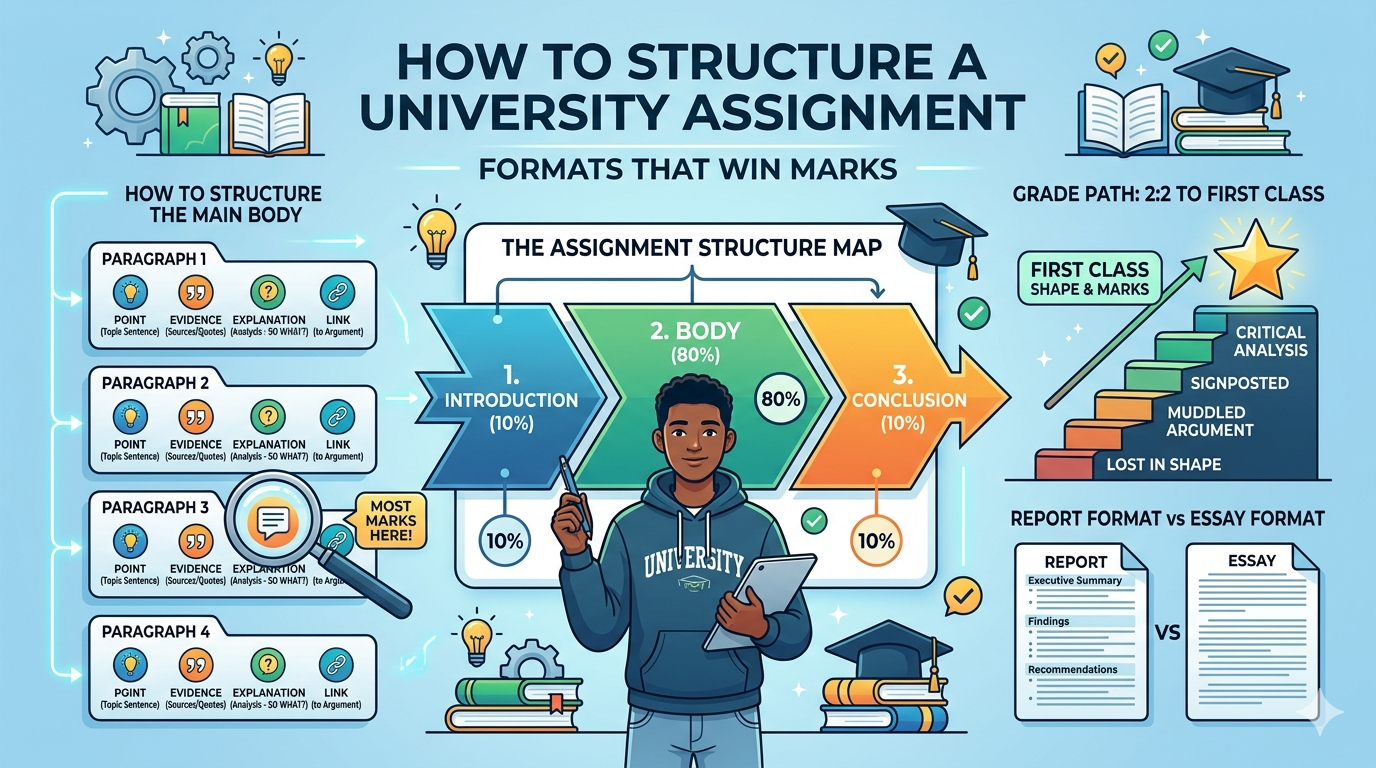
How to Structure a University Assignment: Formats That Win Marks
June 23, 2026
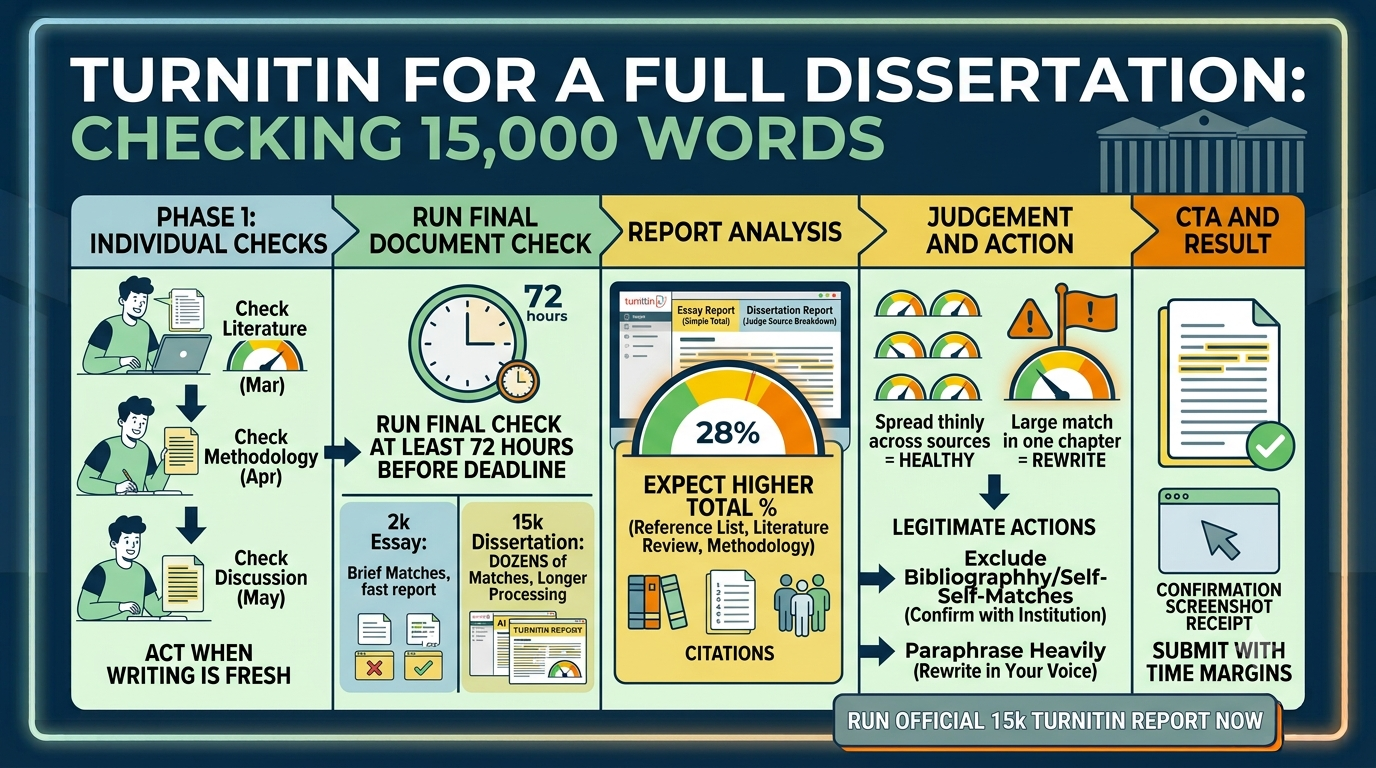
Turnitin for a Full Dissertation: Checking 15,000 Words Before You Submit
July 25, 2026

What Do UK University Markers Actually Look For? Inside the Marking Criteria
May 14, 2026

Best Student Side Hustles in the UK That Actually Pay in 2026
May 18, 2026
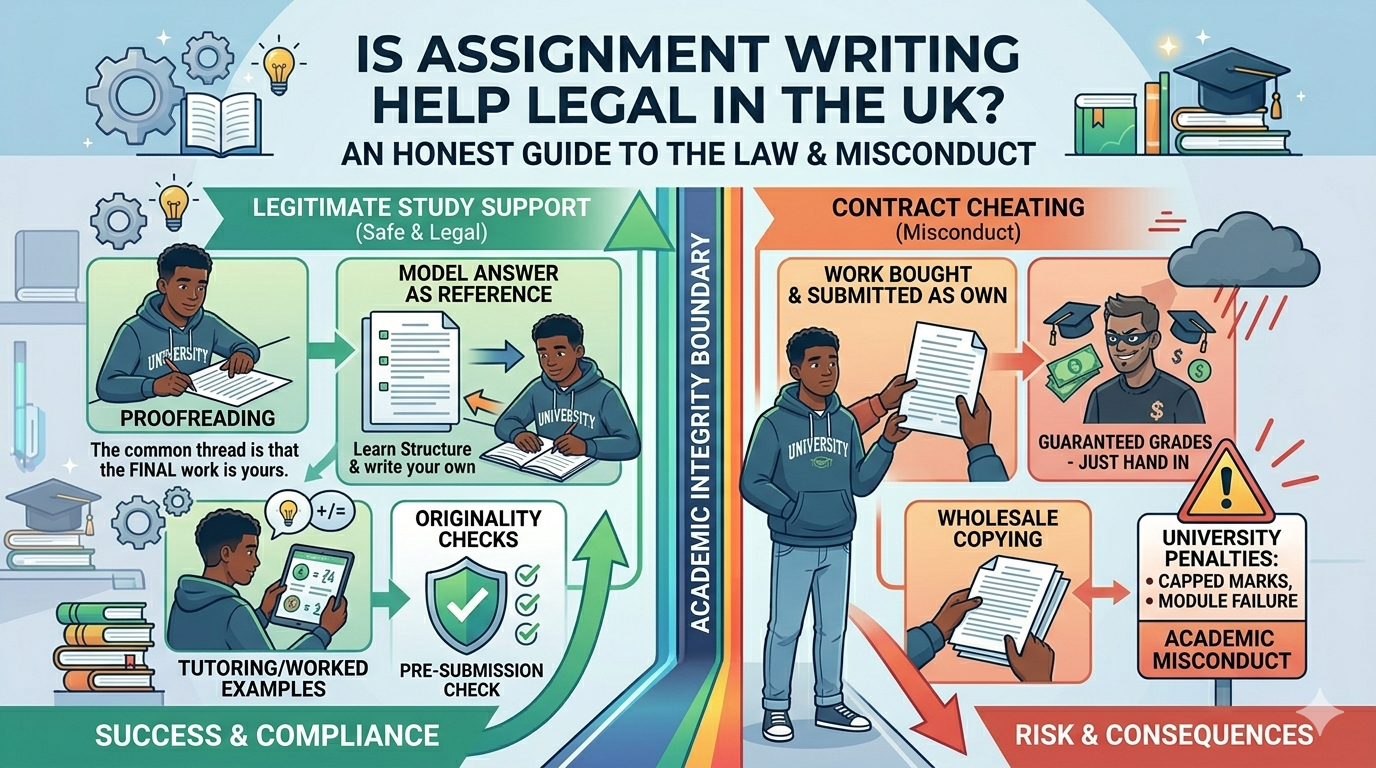
Is Assignment Writing Help Legal in the UK? An Honest Guide
June 25, 2026

Want more tips & great deals? Get them sent to your inbox
Please enter a valid E-mail
By clicking "Subscribe" you agree to be contacted via e-mail. You can always unsubscribe from the newsletter


