
Ready by 7:12am Oct 24, 2026
Management Dissertation Topics: 110+ Ideas with Research Aims (2026)
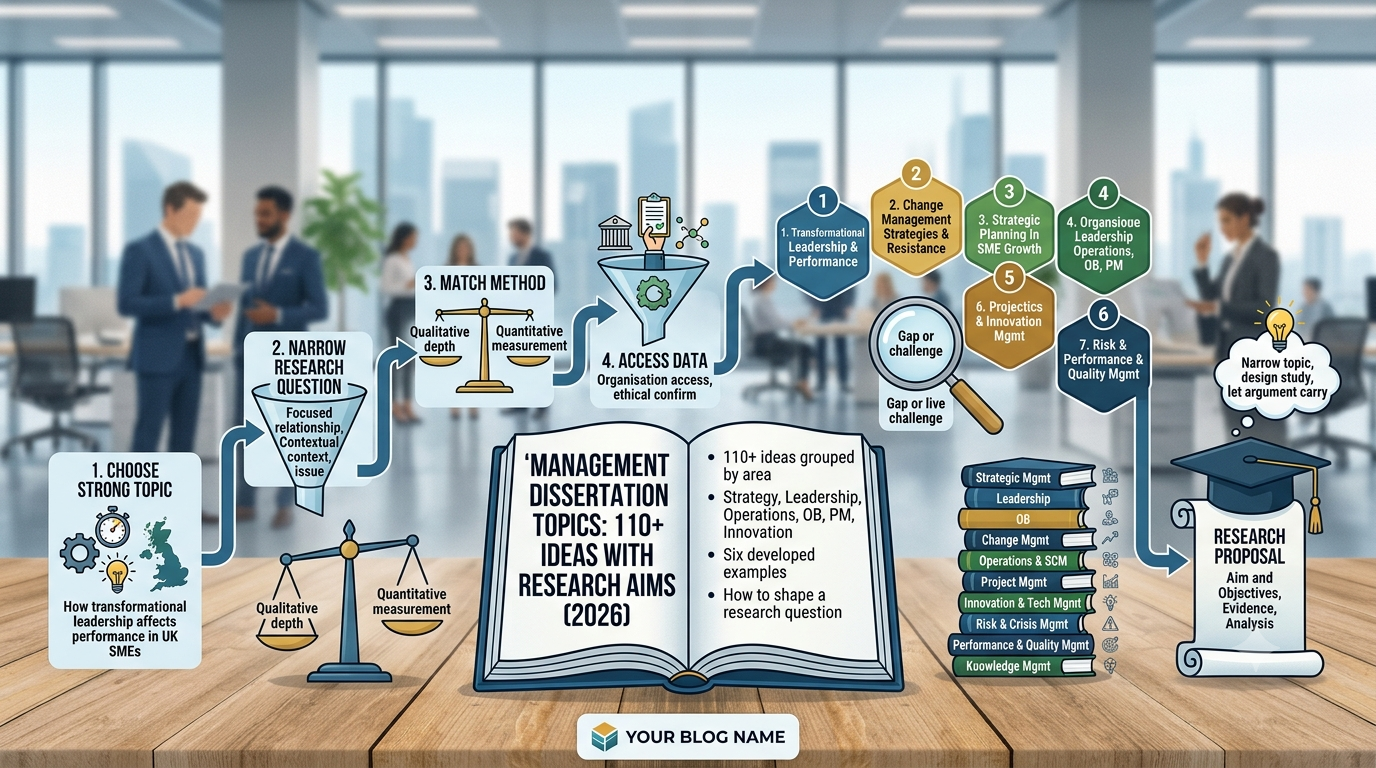
A strong management dissertation topic is specific, researchable and current, focused on a clear relationship you can test with data you can access. Fruitful areas include strategic management, leadership, organisational behaviour, change, operations, project and innovation management. This guide gives 110+ topics with six developed examples and a method for shaping any idea into a research question.
Choosing a management dissertation topic is the first real decision of your project, and it shapes everything that follows. Management is a broad field, so the best topic is not the most ambitious one but the one you can research well: focused on a specific relationship, grounded in a context you can reach, and connected to a current issue. That focus depends partly on an early decision about method, since management questions can call for measurement, for depth, or for both, a choice our qualitative vs quantitative research guide helps you weigh. This guide walks through how to choose, develops six topics to full aim-and-objectives level, then lists more than 110 further ideas grouped by area.
How do you choose a strong management dissertation topic?
A good topic meets several conditions at once. It should be relevant to your course and current, interesting enough to sustain you for months, and narrow enough to answer within a dissertation rather than a whole field. Above all it must be researchable in practice: you need to reach the organisation, managers or data the question requires, so it helps to confirm that access before committing. A strong topic also usually addresses a gap or a live management challenge, which gives the work a clear reason to exist, and reading recent studies in your area, much as you would when writing a literature review, is how you find that gap. The most common mistake is choosing something too broad: ‘leadership’ is a field, while ‘how transformational leadership affects employee performance in UK SMEs’ is a question you can investigate.
Six developed management dissertation topics (with aims and objectives)
The six topics below are worked to the level your proposal will need, each with a research aim and three objectives, so you can see how a broad idea becomes a defined study.
1. The impact of transformational leadership on organisational performance
Research aim: To examine how a transformational leadership style affects organisational performance and employee motivation.
- To define transformational leadership and its behaviours.
- To measure its relationship with performance outcomes.
- To identify the conditions under which it is most effective.
2. How change management strategies affect employee resistance
Research aim: To investigate how different change management strategies influence employee resistance during organisational change.
- To examine the main sources of resistance to change.
- To assess how communication and involvement reduce it.
- To evaluate which strategies work best in practice.
3. The role of strategic planning in SME growth
Research aim: To analyse how strategic planning practices affect the growth and survival of small and medium-sized enterprises.
- To assess how SMEs approach strategic planning.
- To examine its relationship with growth.
- To identify the barriers to effective planning in SMEs.
4. How organisational culture influences innovation
Research aim: To examine how organisational culture affects an organisation’s capacity to innovate.
- To define the cultural traits linked to innovation.
- To assess their relationship with innovation outcomes.
- To identify how culture can be shaped to support innovation.
5. The effect of project management practices on delivery success
Research aim: To evaluate how project management practices affect the successful delivery of projects on time and to budget.
- To examine the practices most associated with success.
- To assess their effect on delivery outcomes.
- To identify the common causes of project failure.
6. How knowledge management affects organisational learning
Research aim: To investigate how knowledge management practices affect organisational learning and performance.
- To assess how organisations capture and share knowledge.
- To examine its effect on learning.
- To evaluate the barriers to effective knowledge management.
110+ management dissertation topics by area
The ideas below are grouped by sub-area. Treat each as a starting point to narrow around a context and sample you can access. For related fields, see our business dissertation topics guide.
Strategic management
- How strategic renewal supports organisational longevity.
- The role of competitive intelligence in adaptability.
- How strategic foresight affects innovation capability.
- The impact of digital strategy on competitive advantage.
- How diversification affects performance in emerging markets.
- The role of dynamic capabilities in strategic change.
- How scenario planning supports risk management.
- The relationship between resource allocation and advantage.
- How data-driven decisions affect strategy implementation.
- The role of strategic alliances in market entry.
Leadership
- The effect of transformational leadership on performance.
- How leadership style affects employee retention.
- The role of emotional intelligence in leadership.
- How authentic leadership builds team cohesion.
- The impact of toxic leadership on turnover.
- How ethical leadership affects organisational trust.
- The role of leadership in change management.
- How servant leadership affects team performance.
- The effect of leadership on organisational culture.
- How leaders communicate in a crisis.
Organisational behaviour and culture
- How organisational culture affects employee behaviour.
- The effect of psychological safety on knowledge sharing.
- How culture influences innovation.
- The impact of organisational justice on commitment.
- How workplace conflict affects performance.
- The role of employee voice in organisations.
- How culture affects change readiness.
- The effect of remote work on organisational culture.
- How values shape decision-making.
- The impact of culture on employee engagement.
Change management
- How change strategies affect employee resistance.
- The role of communication in change management.
- How leadership affects change success.
- The impact of employee involvement in change.
- How organisations manage digital transformation.
- The effect of change fatigue on employees.
- How culture affects the success of change.
- The role of middle managers is changing.
- How to sustain change over time.
- The barriers to successful organisational change.
Operations and supply chain management
- How lean management affects operational performance.
- The impact of supply chain disruption on resilience.
- How technology improves operational efficiency.
- The effect of just-in-time systems on suppliers.
- How sustainable operations affect cost and reputation.
- The role of quality management in performance.
- How demand forecasting affects service levels.
- The impact of supplier relationships on risk.
- How automation reshapes operations.
- The role of digitisation in supply chains.
Project management
- How project management practices affect delivery.
- The causes of project failure.
- How agile methods affect project outcomes.
- The role of stakeholder management in success.
- How risk management affects project delivery.
- The effect of team dynamics on project success.
- How project leadership affects outcomes.
- The impact of scope creep on delivery.
- How communication affects project performance.
- The role of project governance in success.
Innovation and technology management
- How open innovation accelerates development.
- The role of innovation culture in creativity.
- How R&D investment affects innovation in SMEs.
- The barriers to innovation in large firms.
- How digital transformation affects competitiveness.
- The role of AI in management decision-making.
- How technology adoption affects productivity.
- The impact of innovation on business models.
- How firms manage disruptive technology.
- The role of customer co-creation in innovation.
Risk and crisis management
- How organisations build resilience to crises.
- The role of risk management in strategy.
- How leadership shapes crisis response.
- The effect of crisis communication on reputation.
- How firms manage reputational risk.
- The role of contingency planning in resilience.
- How organisations learn from crises.
- The impact of risk culture on outcomes.
- How firms manage supply chain risk.
- The role of scenario planning in preparedness.
Performance and quality management
- How performance management affects motivation.
- The effect of KPIs on organisational outcomes.
- How total quality management affects performance.
- The role of benchmarking in improvement.
- How performance appraisal affects behaviour.
- The impact of feedback on performance.
- How balanced scorecards affect strategy.
- The role of continuous improvement in operations.
- How rewards affect performance.
- The effect of goal-setting on outcomes.
Knowledge, information and SME management
- How knowledge management affects organisational learning.
- The role of information systems in decision-making.
- How SMEs approach strategic planning.
- The barriers to growth in small businesses.
- How knowledge sharing affects innovation.
- The role of digital tools in SME management.
- How family businesses manage succession.
- The effect of management skills on SME survival.
- How SMEs build resilience.
- The role of networks in small business growth.
- How data analytics supports management decisions.
What makes a strong management dissertation topic?
Beyond meeting the practical conditions above, the strongest topics share a clear angle. They focus on a specific relationship, such as how one management practice affects an organisational outcome, rather than describing a broad area, which gives you something to test rather than summarise. They are grounded in a definable context, a sector, a country, a type of organisation, which keeps the scope manageable and the data reachable. And they connect to a current management challenge or a gap in the literature, which gives the work relevance. A topic that combines a focused relationship, a clear context and a genuine gap will nearly always make a stronger dissertation than a broad or descriptive one.
How do you turn a topic into a research question?
A topic is a starting area; a research question is what your dissertation answers, so the next step is to sharpen one into the other. Take your chosen area, add a specific context and a relationship to investigate, and phrase it as a question evidence can answer, so ’employee motivation’ becomes ‘how do flexible working policies affect employee motivation in UK technology firms?’. From there you decide what data you need and whether it is best gathered fresh or drawn from existing sources, a choice our primary vs secondary research guide helps you make, then you set the whole plan out in a research proposal. Grounding the question in management theory is what turns it into research rather than commentary.
Tips for refining your topic
- Start from areas that genuinely interest you, then narrow to a specific question within them.
- Check you can access the organisation, managers or data the question needs before committing.
- Read recent management journals to spot gaps and current debates.
- Discuss your shortlist with your supervisor early, since they can flag what is feasible.
- Keep the scope tight; a narrow question answered well beats a broad one answered thinly.
Once you have a topic and question, the next steps are designing the study and organising the write-up. Our how to write a dissertation methodology guide covers the research design, and our how to structure an assignment guide helps you organise the whole piece. Before you submit, it is worth checking your own finished draft for originality, which you can do with our plagiarism check. Whichever area you choose above, the same principle holds throughout: narrow the topic, match the method to it, and let a clear, evidenced argument carry the work.
Ready to take your dissertation further? Get specialist support.
From refining your research question and literature review to methodology, analysis and final structure, dissertation work requires careful planning at every stage. Explore our dissertation writing support for your research project.
Popular posts
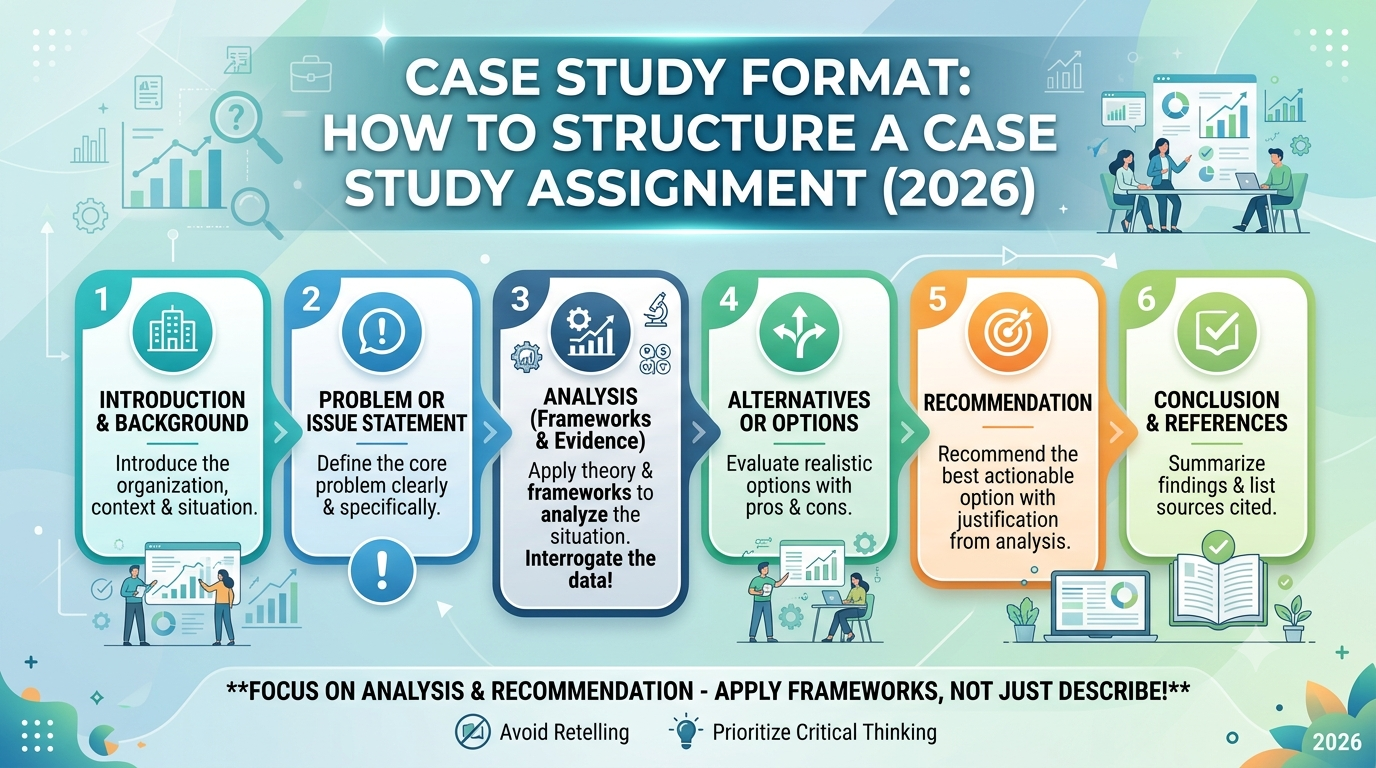
Case Study Format: How to Structure a Case Study Assignment (2026)
August 25, 2026

Harvard Referencing Made Simple: The Only Guide You Will Need in 2026
May 12, 2026

120+ Business Dissertation Topics and Ideas for 2026
March 2, 2026
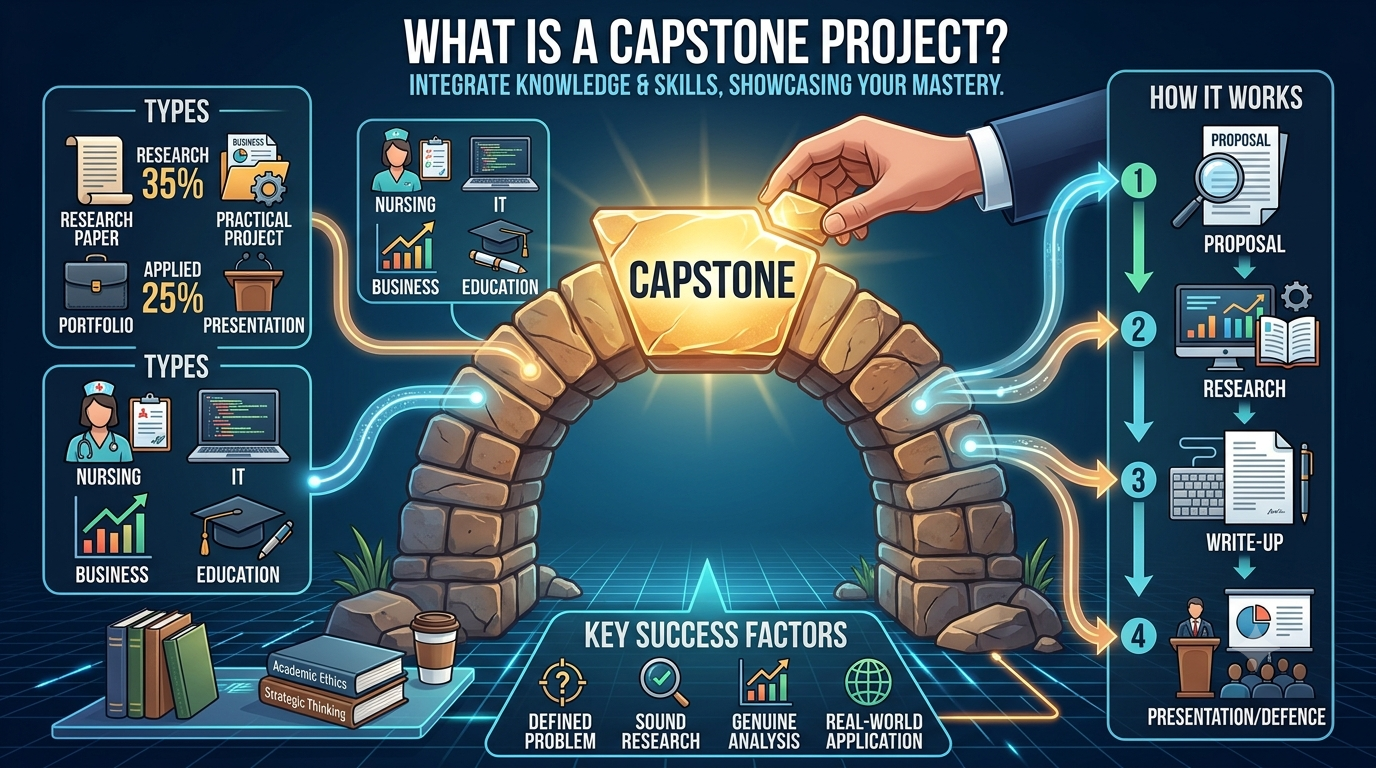
What Is a Capstone Project? Types and Examples
June 24, 2026
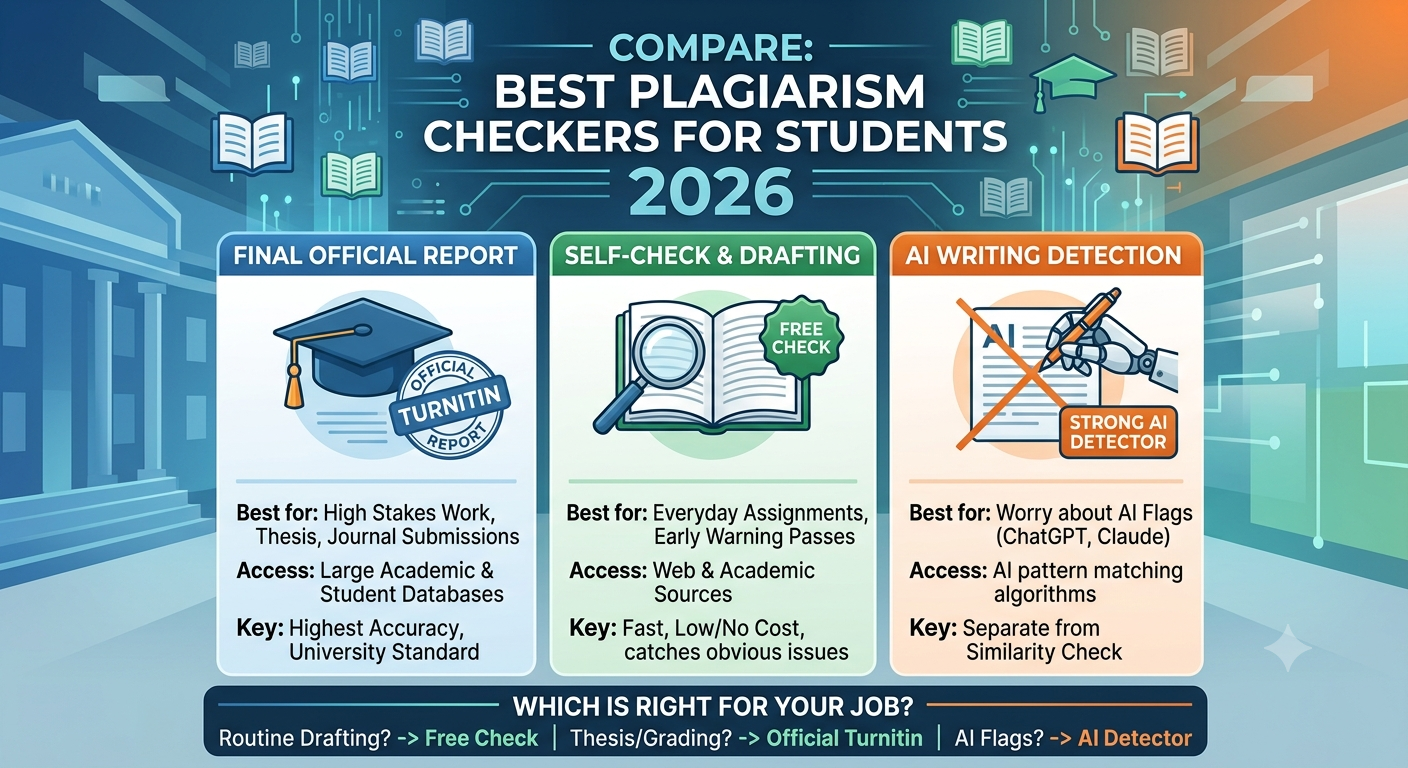
Best Plagiarism Checkers for Students in 2026
July 1, 2026



Want more tips & great deals? Get them sent to your inbox
Please enter a valid E-mail
By clicking "Subscribe" you agree to be contacted via e-mail. You can always unsubscribe from the newsletter


