
Ready by 7:11am Oct 24, 2026
Copyleaks vs Turnitin: Which Detects More?
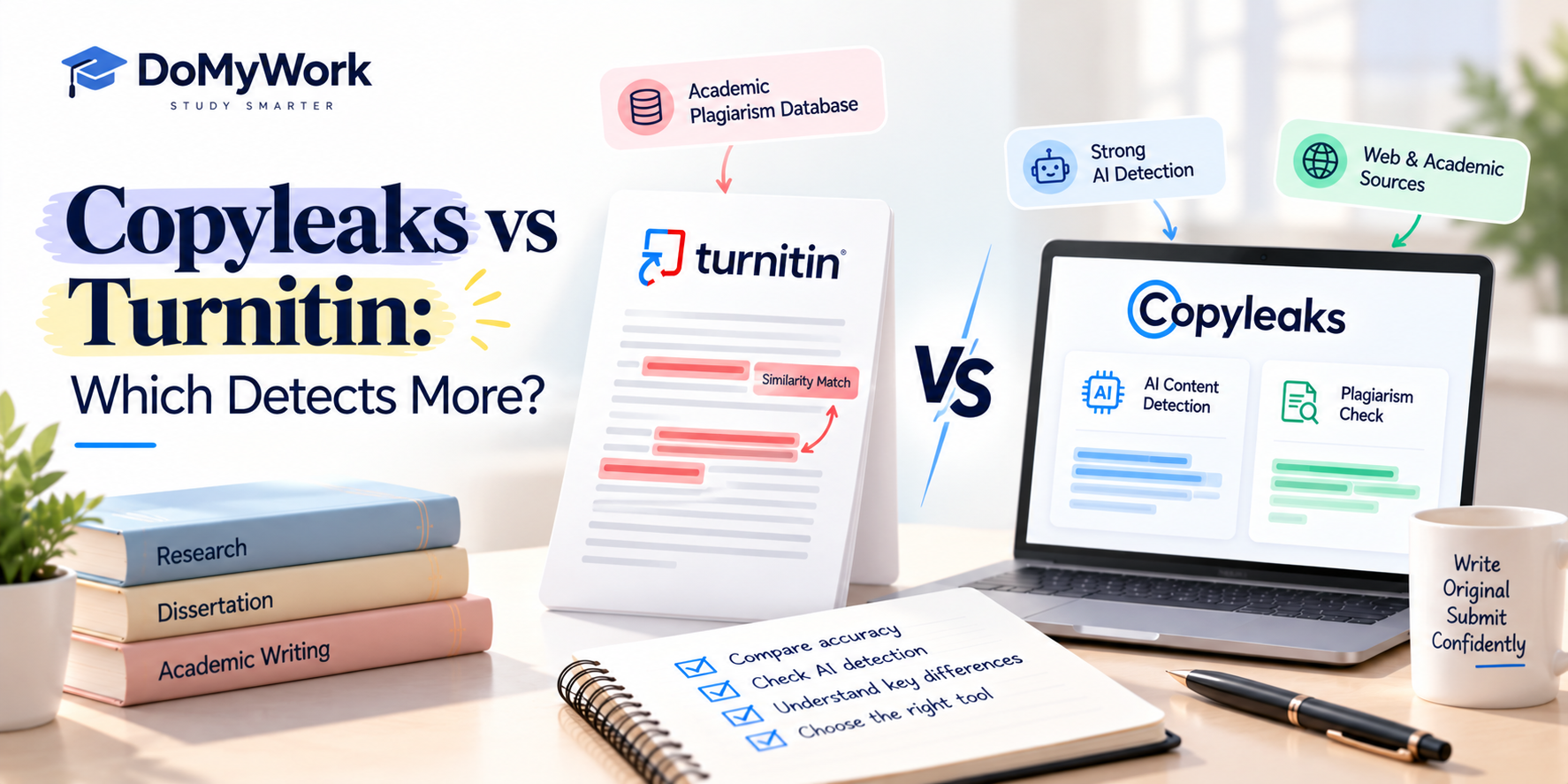
Turnitin is the academic standard for plagiarism, with the largest student and journal database, but you usually cannot run it yourself. Copyleaks is an accessible tool with a strong reputation for AI detection that you can use directly. For the plagiarism result your university grades on, Turnitin wins. For AI detection and self service access, Copyleaks is a serious option.
Copyleaks has built its name on AI detection, while Turnitin is the long-standing academic similarity standard, so comparing them is really comparing two different strengths. The right choice depends on whether your main concern is matching text or AI writing, and on whether you need a result you can get yourself or the official figure your university uses. Here is how they stack up.
Copyleaks vs Turnitin at a glance
| Turnitin | Copyleaks | |
|---|---|---|
| Who can use it | Usually only via your university | Any user, directly |
| Plagiarism database | Largest academic, plus web | Web and academic sources |
| AI detection | Yes, separate indicator | A core strength |
| Matches the grade view | Exact, same as examiner | Approximate for plagiarism |
| Pricing | Set by institution | Subscription |
| Best for | Official plagiarism result | AI detection and self service |
How accurate is each plagiarism?
For academic plagiarism, Turnitin has the edge, because it checks against the largest pool of student papers and licensed journals, and because it is the exact system your work is graded on. Copyleaks does a solid job and checks both web and academic sources, but its database differs from Turnitin’s, so its plagiarism figure is an approximation of what your university would see rather than a match for it. For catching clear problems either works, while for the precise graded figure Turnitin is the reference.
Which detects AI better?
AI detection is where Copyleaks is strongest, and it is often chosen specifically for this. It aims to detect writing from a broad range of AI models and is marketed heavily at organisations that need it. Turnitin also offers AI detection through its writing indicator, integrated into the same report your institution uses. The honest caveat applies to both, that no AI detector is fully reliable and all produce false positives, so treat either result as a signal to review rather than proof. For how far to trust any of them, see how accurate are AI detectors.
Which is better for students?
For a student, the deciding factor is usually access and need. If you want to check your own work yourself, particularly for AI flags, Copyleaks is usable directly, which Turnitin generally is not. If what you need is the official plagiarism figure your university grades on, only Turnitin gives that exactly, so an official report is the route. Many students get the best of both by checking accessibly while drafting and confirming with an official result. For more accessible options, see Turnitin alternatives.
Privacy and storage
As with any checker, look at what happens to your file, especially for unpublished work. Confirm whether either tool stores your document or adds it to a database, since that matters for a thesis or a manuscript you have not published. A check that deletes your file afterwards is the safer choice for sensitive work, so read the policy rather than assuming, as it can vary by plan and setting.
The verdict, by use case
- For the official plagiarism score, use Turnitin, through your institution or an official report.
- For strong AI detection you can run yourself, Copyleaks is a serious option.
- For everyday drafting on a budget, a free check plus an occasional official report is cheaper.
- For unpublished work, prioritise whichever tool does not store your file.
What each tool is really built for
It helps to see these two as built for different primary jobs. Turnitin was built for academic integrity at scale, embedded in university workflows, which is why its plagiarism database is so deep and why it is the figure institutions trust. Copyleaks grew up more recently with AI detection as a central focus, aimed at organisations that need to know whether content is machine generated. So when you compare them, you are not really comparing two versions of the same product, you are comparing an academic plagiarism standard with an AI detection specialist that also checks plagiarism. Matching the tool to your actual need is the whole decision.
Accuracy, and why no tool is the last word
Both tools are capable, but neither is infallible, and this matters most for AI detection. Plagiarism matching is relatively objective, since either text matches a source or it does not, so the main difference between the two on plagiarism is database coverage. AI detection is far less certain, because it estimates from writing style and produces false positives on genuine human work. So whichever tool reports an AI score, treat it as a signal to review rather than proof, and be especially cautious about acting on an AI flag alone. The honest position is that these are aids to judgment, not judges. For the details, see how accurate AI detectors are.
A practical recommendation
For most students, the sensible setup is to use an accessible tool for frequent self checks while drafting, including a quick AI check, and to confirm the plagiarism figure that actually counts with an official Turnitin result on important work. That gives you the convenience of a tool you control and the authority of the system your university grades on, without paying for a heavy subscription you would barely use. If AI detection is your main concern, lead with a tool strong in that area, but still confirm plagiarism with the official route when the stakes are high. For the field of AI tools specifically, see the best AI content detectors.
How do they differ in focus?
The clearest way to understand these two is by what they were built for. Turnitin is built for academic integrity, with the largest database of student papers and licensed publications, and it is the system universities grade on. Copyleaks started with a strong emphasis on AI content detection and serves businesses and content teams as well as education, so its strengths lean toward catching AI writing and scanning web and published content. Both check for plagiarism and both offer AI detection, but Turnitin is the academic standard while Copyleaks is often chosen for its AI detection focus.
Which should a student choose?
For the result your university grades on, Turnitin is the reference, since that is what your institution uses. For AI detection in particular, or for checking your own work directly without an institution login, Copyleaks is a capable option. The practical answer for most students is the familiar pattern, self check while drafting with whatever tool you find convenient, then confirm the exact figure with an official Turnitin report on high stakes work. For the wider field of AI tools, see the best AI content detectors.
Frequently asked questions
Is Copyleaks as accurate as Turnitin for plagiarism?
For catching obvious matches it is capable, but its database differs from Turnitin’s, so the figure is approximate. For the exact graded result, Turnitin is the reference.
Is Copyleaks better for AI detection?
It is known for AI detection and detects a broad range of models. As with any detector, treat the result as a signal to review rather than proof, since false positives happen.
Can I use Turnitin myself like Copyleaks?
Not usually, since Turnitin runs through your university. You can buy an official report to get the exact result without institutional access.
Which should a student choose?
Use an accessible tool for drafting and AI checks, and an official Turnitin result for the plagiarism figure your university grades on. Many students use both.
Does Copyleaks store my uploaded work?
Check the current policy before uploading, especially for unpublished work. Prefer a tool that deletes your file after the check if privacy matters to you.
Can I rely on Copyleaks for my final grade check?
For the plagiarism figure your university grades on, an official Turnitin result is the reference. Use Copyleaks for self checking and AI detection, and confirm the graded figure officially.
Does Copyleaks detect more than Turnitin?
Neither simply detects more. They draw on different databases, so their numbers differ, and Copyleaks is often stronger on AI detection while Turnitin checks the largest academic database. For the figure your university uses, Turnitin is the reference.
Is Copyleaks good for AI detection?
It is one of the tools known for AI detection focus. As with any detector, treat the result as a signal to review rather than proof, since false positives affect every AI detector.
Can I use both Copyleaks and Turnitin?
Yes. You might use Copyleaks for its AI detection and an official Turnitin result for the academic figure your university grades on. Many students combine an accessible tool for drafting with an official check at the end.
| Want the official plagiarism figure without the login? Check free first, then get the Turnitin report for $5. |
Popular posts
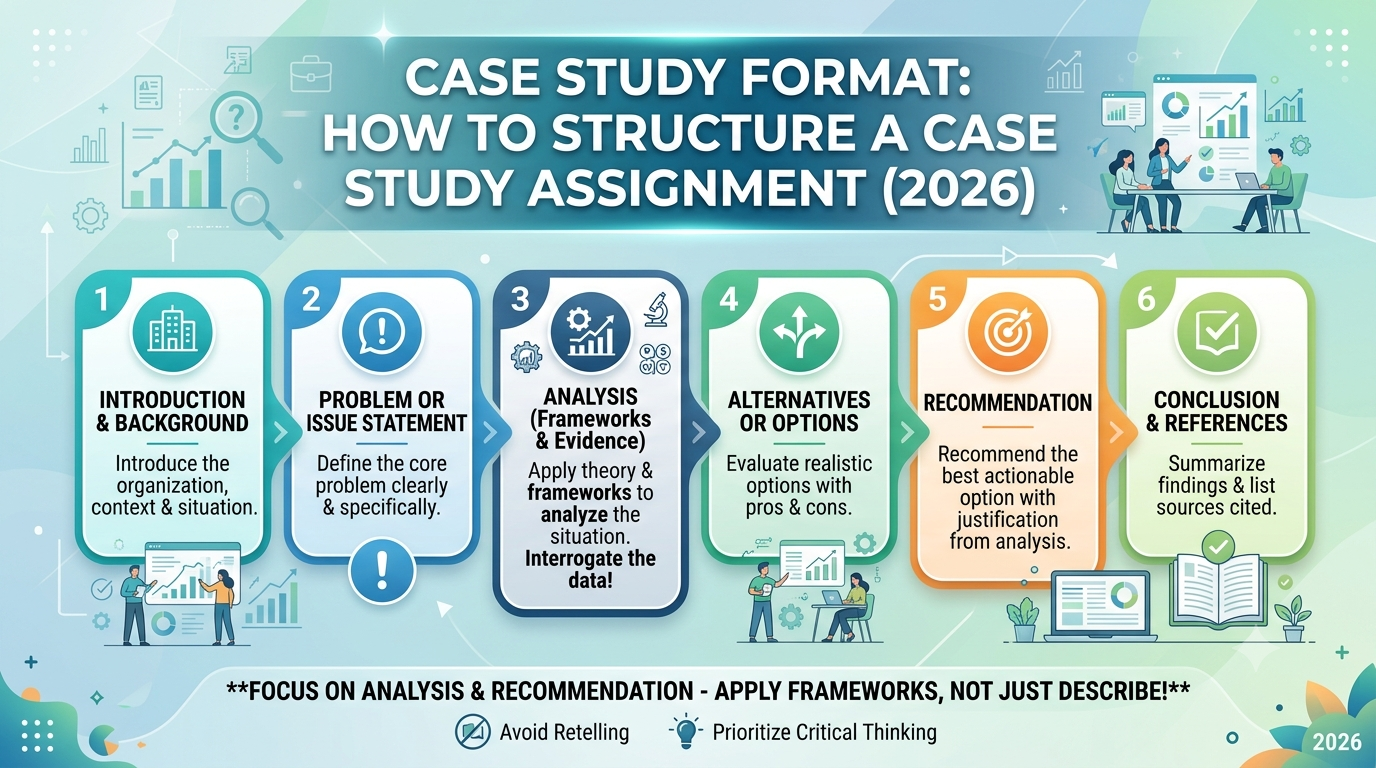
Case Study Format: How to Structure a Case Study Assignment (2026)
August 25, 2026
Harvard Referencing Made Simple: The Only Guide You Will Need in 2026
May 12, 2026

120+ Business Dissertation Topics and Ideas for 2026
March 2, 2026
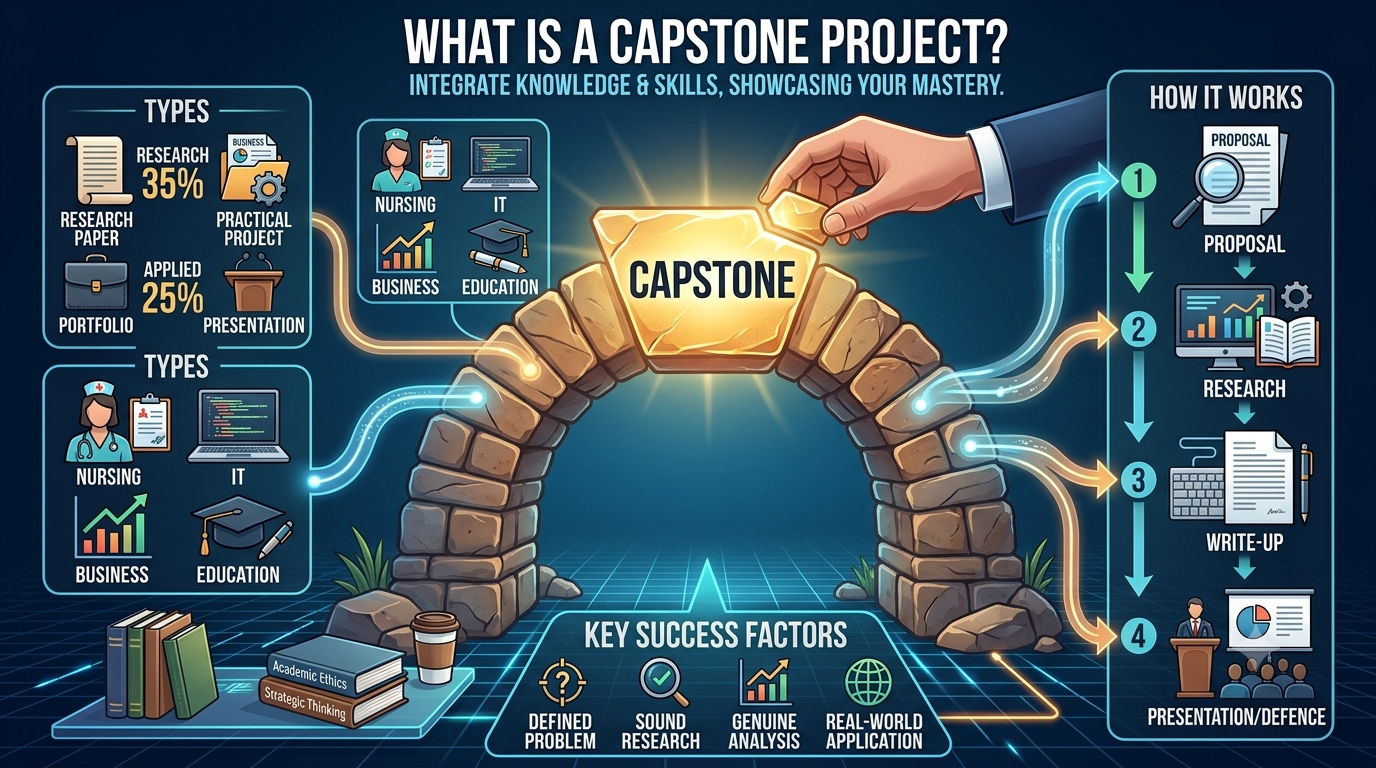
What Is a Capstone Project? Types and Examples
June 24, 2026
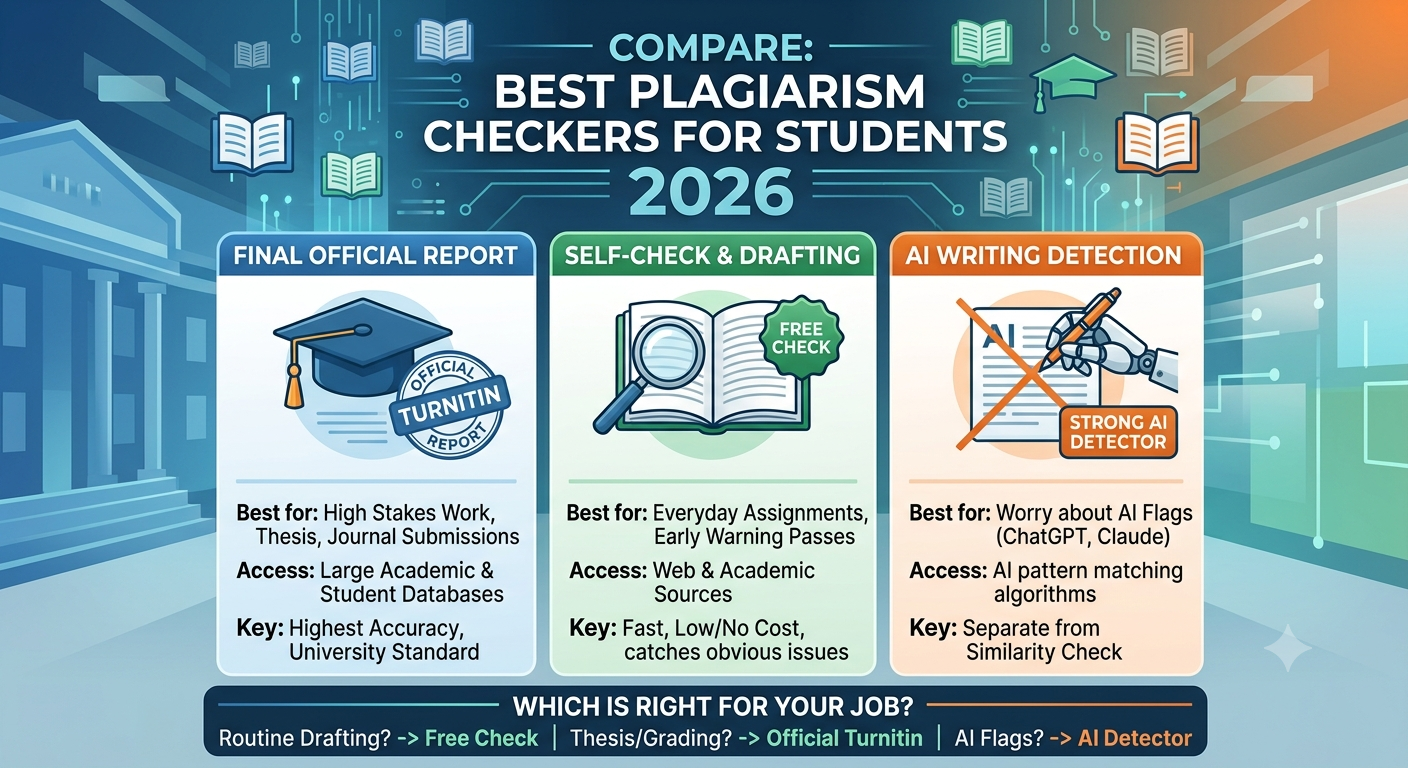
Best Plagiarism Checkers for Students in 2026
July 1, 2026
Want more tips & great deals? Get them sent to your inbox
Please enter a valid E-mail
By clicking "Subscribe" you agree to be contacted via e-mail. You can always unsubscribe from the newsletter


