
Ready by 12:26am Oct 8, 2026
How to Lower Your Turnitin Similarity Score Ethically
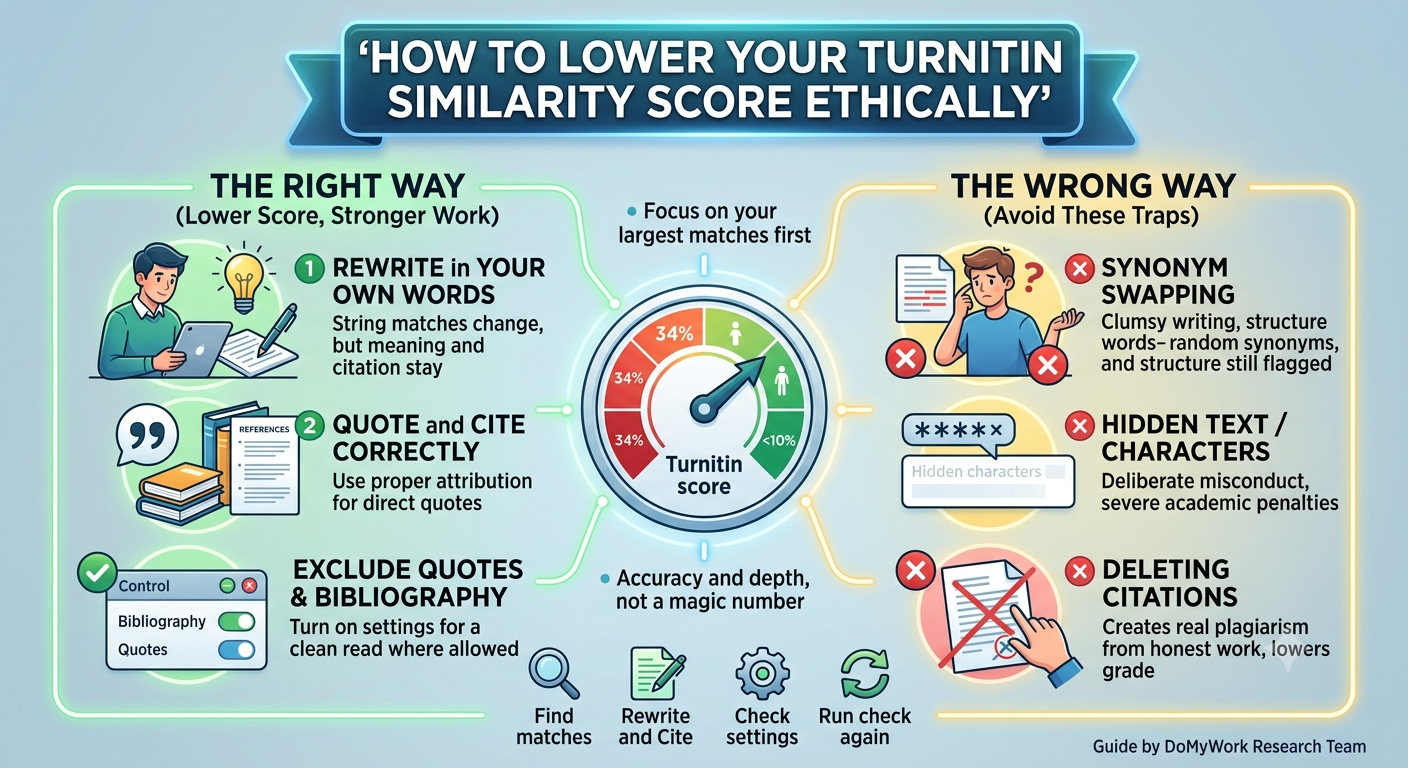
Lower your Turnitin score by finding the largest matches first, then rewriting copied phrasing in your own words, quoting and citing correctly, and excluding the bibliography where allowed. Do not swap random synonyms or hide text. Fix the real overlaps, then run the check again before you submit.
A high similarity score sends a lot of students into a panic, and panic leads to the wrong fixes, like deleting citations or scattering synonyms to fool the tool. None of that helps, and some of it makes things worse. The goal is not to trick Turnitin. It is to make sure the work is genuinely yours, which brings the number down honestly and leaves you with a stronger piece. Here is how to do it properly.
Why is my similarity score high?
Before you change anything, understand the cause, because the fix depends on it. A high score usually comes from one or more of a few sources, namely quotations, a reference list, common phrases in your subject, or a passage you paraphrased too closely. Open the report and sort the matches by size, because one large match matters far more than a long tail of small ones. If the colour confused you, see Turnitin report colours explained.
How do I lower it the right way?
- Sort the matches by size and start with the largest.
- For each one, decide whether it is a quote, a citation, or text to rewrite.
- Rewrite the copied parts fully in your own words, keeping the credit.
- Turn long copied passages into proper short quotations, or cut them.
- Exclude quotes and the bibliography from the score where your settings allow.
- Run the check again to confirm the score dropped for the right reasons.
Work in order of size and you will move the number most with the least effort, because fixing the biggest single source has more impact than tidying a dozen tiny matches. After each significant edit, it is worth rechecking, since edits can introduce new matches as well as remove old ones.
What not to do
- Do not swap random synonyms to dodge matching. The meaning suffers and the structure can still flag.
- Do not hide text with white font, hidden characters or images of text. This is treated as deliberate misconduct.
- Do not delete citations to lower the number. That creates real plagiarism out of honest work.
- Do not pad with filler to dilute the percentage. Markers see through it and it weakens your writing.
Should I exclude quotes and references?
If your institution allows it, yes. Quotations and reference lists are matching text by definition, so they inflate the score without being plagiarism. Excluding them, where the setting is available, gives a cleaner read of your own writing and often brings a worrying number down to a fair level. Whether you can switch this on depends on how your tutor sets up the submission, so it may already be applied or it may be out of your control.
How rewriting actually lowers the score
Genuine rewriting works because Turnitin matches strings of words, not ideas. When you set the source aside and rebuild a point in your own words and your own sentence structure, the string no longer matches, even though you have kept the meaning and the citation. This is different from synonym swapping, where you keep the author’s structure and only change individual words, which often still matches and reads worse. The skill is to understand the point well enough to express it freshly, which is exactly what good academic writing requires anyway. For the line between fair paraphrasing and plagiarism, see paraphrasing versus plagiarism.
How low should the score be?
There is no magic number, and the spread matters more than the total, so do not chase a specific figure. A score made of small matches across many sources is healthier than a lower score driven by one heavy source. For the bands and what they mean, read what counts as a good Turnitin score. Once your edits are done, you can confirm the result with an official Turnitin report before you submit.
Should I worry about a high score at all?
Not automatically, and this is the first thing to settle before you start editing. A high similarity score is not a finding of plagiarism, it is a measure of how much text matched, and a lot of matching is harmless. Before you change a word, open the report and look at where the score comes from. If it is quotes, references and common phrases spread across many sources, you may have little real work to do. If a single source dominates, that is the part that needs attention. Editing blind, without reading the report, is how students accidentally make honest work worse.
Why synonym swapping does not work
The most common wrong fix is to run through a flagged passage replacing words with synonyms, hoping to dodge the match. It rarely works and often backfires. Turnitin matches strings of words, so if you keep the author’s sentence structure and only change individual words, enough still matches to flag, and the writing reads worse because synonyms chosen for the sake of difference are often clumsy or slightly wrong. Worse, markers recognise synonym swapped text instantly, because it has a stilted quality that genuine writing does not. The real fix is to understand the point and rebuild it, not to disguise the original.
How to rewrite a flagged passage properly
Take the flagged passage, read it until you understand the point, then close the source and write the idea in your own words from memory. Because you are building the sentence from your own understanding rather than editing the original, the structure and phrasing come out genuinely different, and the match disappears. Then reopen the source to check you kept the meaning accurate, and confirm the citation is in place. This is slower than synonym swapping but it produces better writing and a lower score at the same time, which is the whole point. For the line between fair paraphrasing and plagiarism, see paraphrasing versus plagiarism.
Handling quotes and the reference list
Quotes and reference lists are matching text by their nature, so they inflate the score without being plagiarism. Two moves help. First, where your institution allows it, exclude quoted material and the bibliography from the calculation, which strips out this harmless matching. Second, check that any long copied stretch is either a properly marked quote or rewritten, since an unquoted copied passage is the worst kind of match. If your high score is mostly quotes and references, excluding them often brings it down to a fair level on its own. For how the colours map to all of this, see Turnitin report colours.
A realistic before and after
Picture a student who opens their report at 34% and panics. Reading the breakdown, they find 12% is the reference list, 8% is correctly quoted material, 9% is one source they paraphrased too closely, and the rest is scattered common phrases. They exclude quotes and the bibliography, which removes 20 points immediately. They rewrite the single close paraphrase from their own understanding, removing most of the 9%. They recheck and land in single figures, with the work genuinely improved rather than disguised. That is what fixing a score properly looks like, and it took an hour, not a rewrite of the whole piece.
What if my score is still high after editing?
If you have rewritten the big matches and the score is still high, work through the remaining sources one by one rather than assuming something is wrong. Often the leftover score is entirely legitimate, made up of your reference list, correctly quoted material, and standard phrasing your subject requires. Exclude quotes and the bibliography if your settings allow, which usually removes a large chunk. If a genuine match remains that you cannot rewrite, because it is a fixed definition or a standard term, that is normal, and a tutor reading the report will see it for what it is. A higher score built entirely of explainable matches is not a problem.
Frequently asked questions
Does rewriting always lower the score?
Genuine rewriting in your own words does, because the matched string changes. Light synonym swapping often does not, since the structure still matches the source.
Will quoting raise my score?
Quotes can show as matches, but if your settings exclude quoted text they will not count. Quoting correctly is always better than copying without quotation marks.
Is it cheating to lower my similarity score?
Not when you do it by rewriting, quoting and citing properly. It becomes cheating only if you hide text or remove credit to fake a lower number.
How many times can I recheck?
With your own checks, as often as you like. Through your university there may be a delay between resubmissions, so do most of your fixing with independent checks first.
Can I get in trouble for a high similarity score?
Not for the number itself. Trouble comes from the matches behind it being genuine uncredited copying. A high score made of quotes and references is not misconduct, which is why the report is read rather than just the figure.
How long does it take to lower a score?
Often less than you fear. Excluding quotes and references and rewriting the one or two largest matches usually moves the number a lot in an hour or two, far less than rewriting the whole piece.
Does a lower score mean a better grade?
No. The similarity score is not a grade and does not feed into one. It only measures matching text, so a lower number does not earn marks, it just means less overlap to explain.
Should I aim for zero per cent?
No. Zero is rarely realistic or necessary, since references, quotes and standard phrasing all match legitimately. Aim for clean, explainable matches rather than a particular number.
Can I lower my score without rewriting?
Partly. Excluding quotes and the reference list, where your settings allow, removes harmless matches without touching your writing. Beyond that, genuine rewriting is what lowers the score honestly.
Made your edits? Recheck with Turnitin for $5 and confirm the score before you submit.
Popular posts
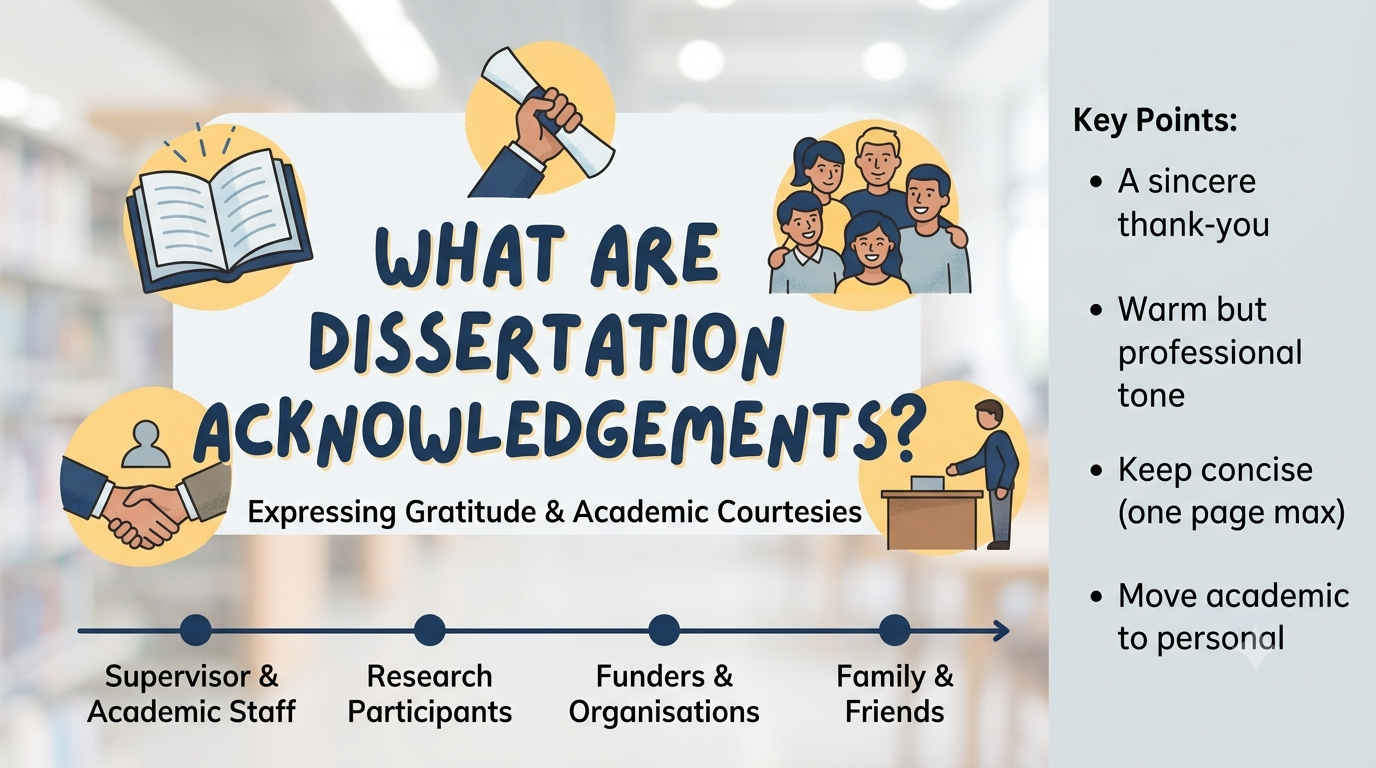
How to Write Dissertation Acknowledgements
September 23, 2026
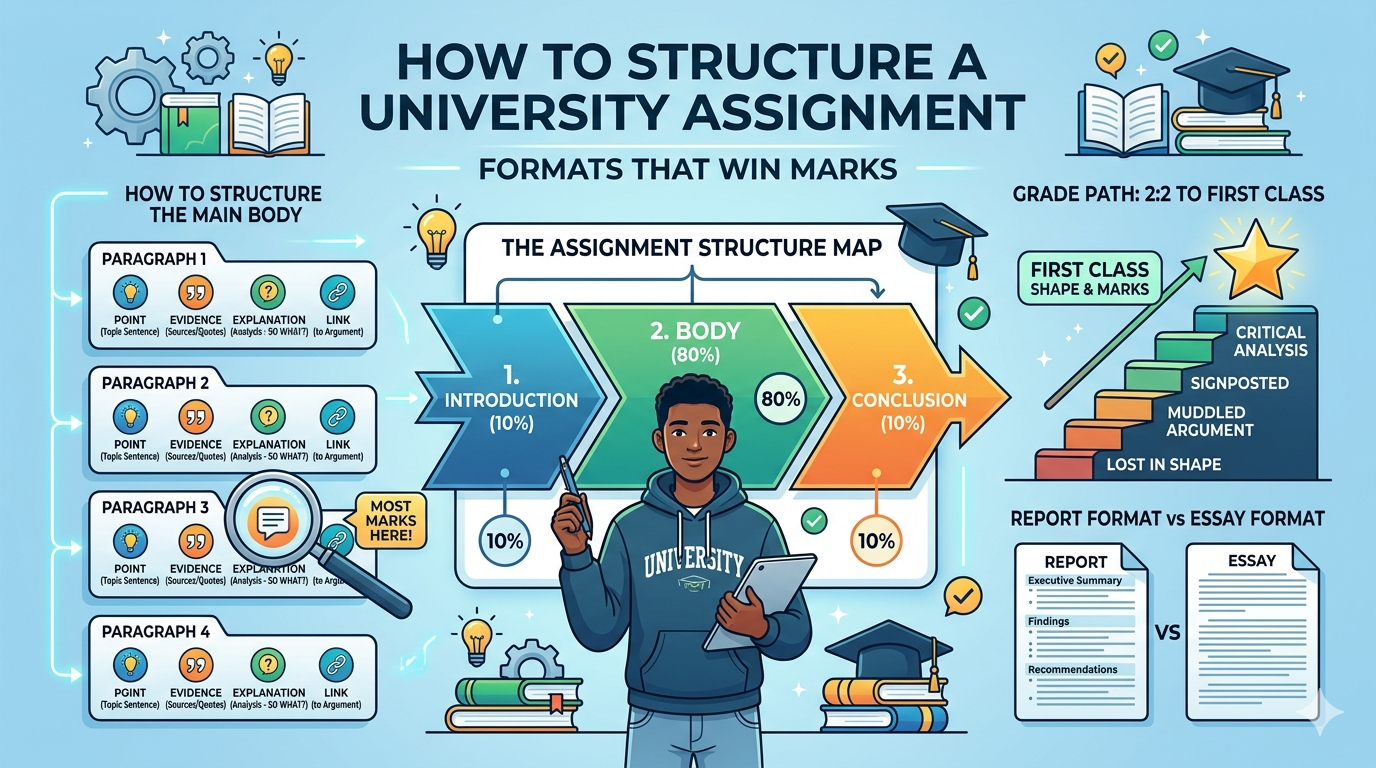
How to Structure a University Assignment: Formats That Win Marks
June 23, 2026

120+ Business Dissertation Topics and Ideas for 2026
March 2, 2026
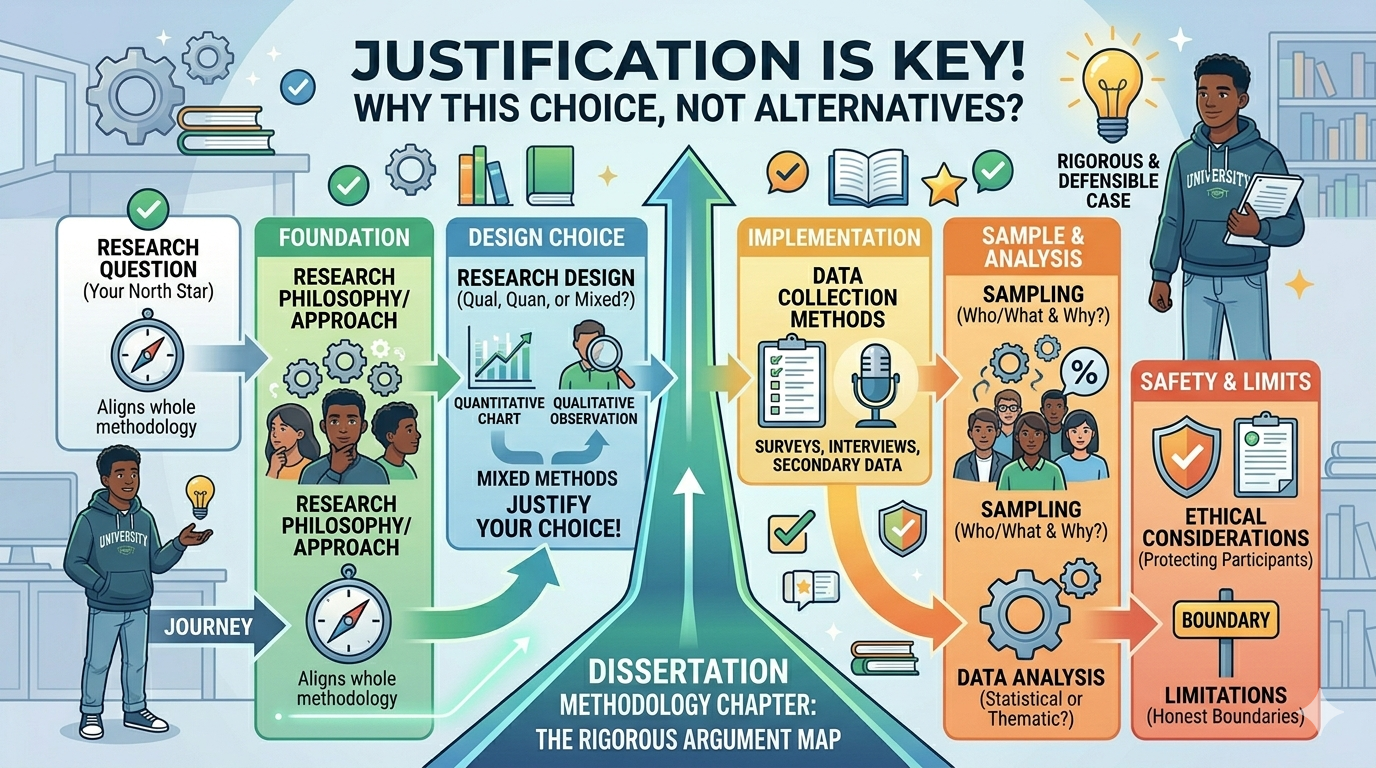
How Do You Write a Dissertation Methodology Chapter?
June 25, 2026
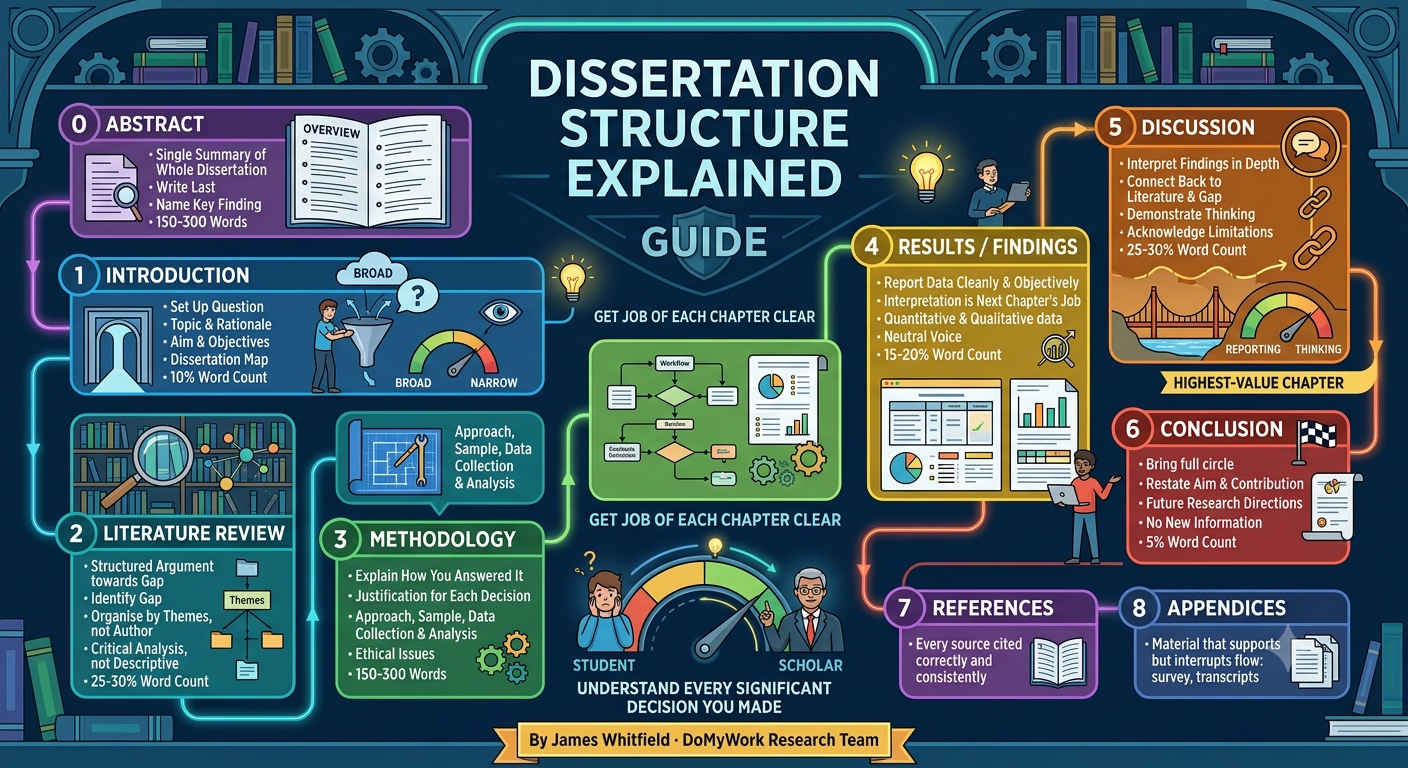
Dissertation Structure Explained Chapter by Chapter
July 11, 2026
Want more tips & great deals? Get them sent to your inbox
Please enter a valid E-mail
By clicking "Subscribe" you agree to be contacted via e-mail. You can always unsubscribe from the newsletter


