
Ready by 10:52pm Sep 24, 2026
How to Write a First Class Essay at a UK University: A Complete Guide for Students
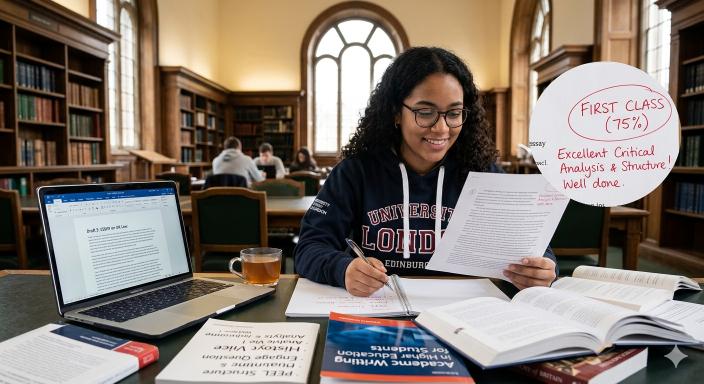
A first class essay argues rather than reports. It is not a longer or better read version of a 2:1. The gap is in critical analysis: whether you weigh the evidence and defend a position, instead of describing what the sources say and stopping there.
Writing a first is not a gift a few people are born with. It is a skill you can learn and practise. Here is what UK markers expect and how to hit the top band more often.
What does a first actually require?
In UK marking, 70 per cent and above is a first at undergraduate level and a distinction at master’s. What changes at that line is not the amount of reading or the polish. Both are already there in a strong 2:1.
What changes is your relationship with the material. A 2:1 shows you understand the debate. A first shows you have a position inside it and can defend that position against the strongest version of the other side. That is a different job, not a harder version of the same one, which is why working longer hours does not reliably move an essay from 65 to 72.
Why start with the question, not the answer?
Before you type a word, spend 20 minutes on the question. Underline the instruction words. Is it asking you to discuss, evaluate, critically analyse, or compare? Each needs a different approach, and misreading the question caps your mark no matter how well you write. Keep the question at the top of your plan and check every paragraph against it.
What structure works?
- An introduction that states a position, not just a topic. The reader should know what you will argue by the end of the first paragraph. About 10 per cent of the word count.
- Body paragraphs built around one claim each. Point, evidence, explain in your own words, link back to the question. This is PEEL, and it keeps the argument tight.
- A section that takes the other side seriously and answers it.
- A conclusion that settles the argument, not one that repeats the essay. If it could be pasted into another student’s essay on the same title, it is doing nothing.
The most common 2:1 problem is paragraphs organised by source: this author says, then that author says. Organise by claim instead, and let the sources sit inside the claim as evidence. Same material, much better read.
Why is critical analysis where the marks are?
Because it is the one thing that reliably separates the top band, and the thing students most often think they are doing when they are not. Describing two views and saying both have merit is not analysis. It is a summary with a hedge on the end.
A quick test for any paragraph: if you deleted the source names, would it still say anything of your own? If not, it is reporting. Reporting is needed, it is just not what earns a first, so an essay made only of it sits in the sixties however well written.
How do you use sources properly?
A first draws on a range of good sources: peer reviewed journal articles, academic books, solid reports. Aim for 10 to 15 sources in a 2,000 word essay, and show you read and understand them rather than dropping in quotes to fill space. Paraphrase where you can and explain how each source supports your point.
Keep your referencing consistent and check that citations match your list. Our Harvard referencing guide walks through it.
What separates a distinction dissertation from a merit?
The same idea at a bigger scale. At master’s level, a merit shows you can run a project and report it clearly. A distinction shows you can defend your choices. Three chapters carry most of the gap.
| Chapter | Merit level | Distinction level |
|---|---|---|
| Method | Says what was done | Says why, over the alternatives, and what it could not show |
| Discussion | Repeats the results in prose | Says what each finding means and what follows |
| Literature review | Reviews, then states a question | Makes the gap felt, so the question is obvious |
If you are choosing between fieldwork and existing data, our guide to primary versus secondary research covers it, and a second read on a chapter before you submit is usually worth more than another week of writing.
How do you write a strong introduction and conclusion?
These two paragraphs carry more weight than any others, because they are what a marker reads first and last. Get them right and the essay feels controlled from the start.
An introduction should state your position, not just your topic. By the end of it, the reader should know what you are going to argue and roughly how. A weak introduction announces the subject and stops. A strong one commits to a line and promises to defend it, which is about 10 per cent of your word count.
A conclusion should settle the argument, not repeat the essay. Return to your position, show how the evidence supported it, and say why it matters. The test is simple: if your conclusion could be pasted into another student’s essay on the same title, it is doing nothing. A real conclusion could only belong to your essay.
Why does proofreading change your grade?
Never submit a first draft. The marks lost to careless errors are the easiest ones to save, because they have nothing to do with how well you understand the subject.
- Leave the essay for a day, then read it with fresh eyes.
- Read it aloud to catch clumsy sentences you skim over on screen.
- Check that each paragraph flows into the next.
- Do a separate pass just for referencing, because checking argument and checking citations are different jobs.
Doing referencing and proofreading in one pass means doing neither properly, so keep them apart.
How do you check your own work?
- Read only your topic sentences in order. If they do not form an argument on their own, the structure is weak.
- Highlight every sentence that is your own claim, not a report. If the page is mostly unhighlighted, you are in the sixties.
- Find your counter-argument. If there is none, add one.
- Check the conclusion settles rather than summarises.
- Do a separate referencing pass, then run a plagiarism check and predict your grade before a marker sees it.
How do you plan an essay before you write it?
A first class essay is usually won at the planning stage, before a single paragraph is written. A clear plan is what keeps every paragraph tied to the question.
- Break down the question and underline the instruction words, so you know whether to discuss, evaluate, or compare.
- Decide your position, the single line you are going to argue, and write it at the top of the page.
- List your main claims, one per planned paragraph, each one supporting that position.
- Note the evidence for each claim, and the strongest objection you will need to answer.
- Check the order. Each claim should build on the last, not sit in a random list.
With that plan done, writing becomes filling in a structure you already trust, which is far faster and far less stressful than working out your argument as you go.
Frequently asked questions
What mark is a first in the UK?
70 per cent and above at undergraduate level, which is also the distinction line at master’s. Your programme sets its own rules, so check your handbook.
What is the difference between a 2:1 and a first?
A 2:1 shows you understand the debate. A first shows a defended position inside it, tested against the strongest other view.
How do I add critical analysis?
For each paragraph, ask what your own claim is beyond reporting the source. If deleting the author names leaves nothing of yours, add a point of judgement.
Does good writing alone get a first?
No. Clear writing is the floor, not the thing that sets work apart. A well written essay with no argument sits in the sixties.
Can a strong dissertation lift my classification?
Often yes, because it carries a large share of the credits. How much depends on your programme weighting and any borderline rules.
Popular posts

Dissertation Topics 2026: How to Choose the Best Topic + 150 Ideas
February 21, 2026
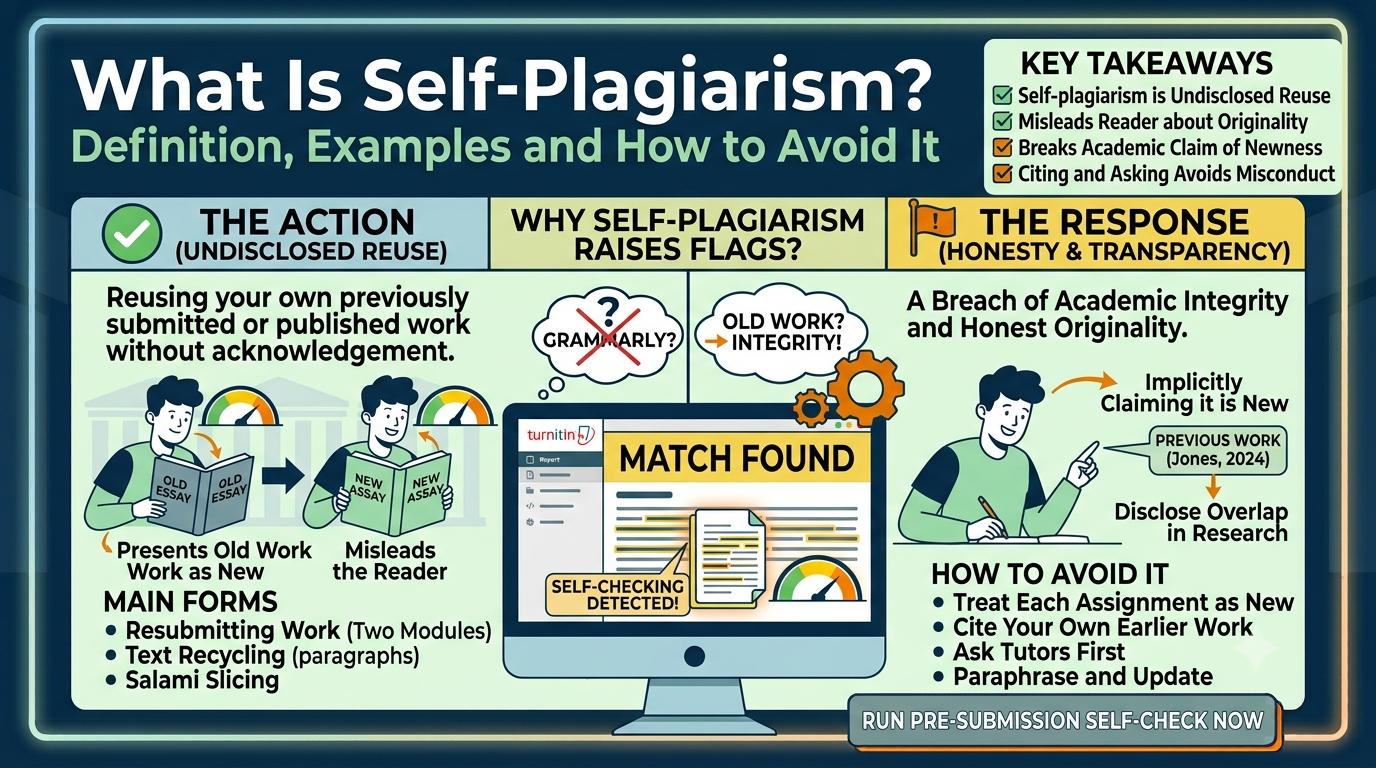
What Is Self-Plagiarism? Definition, Examples and How to Avoid It
July 23, 2026
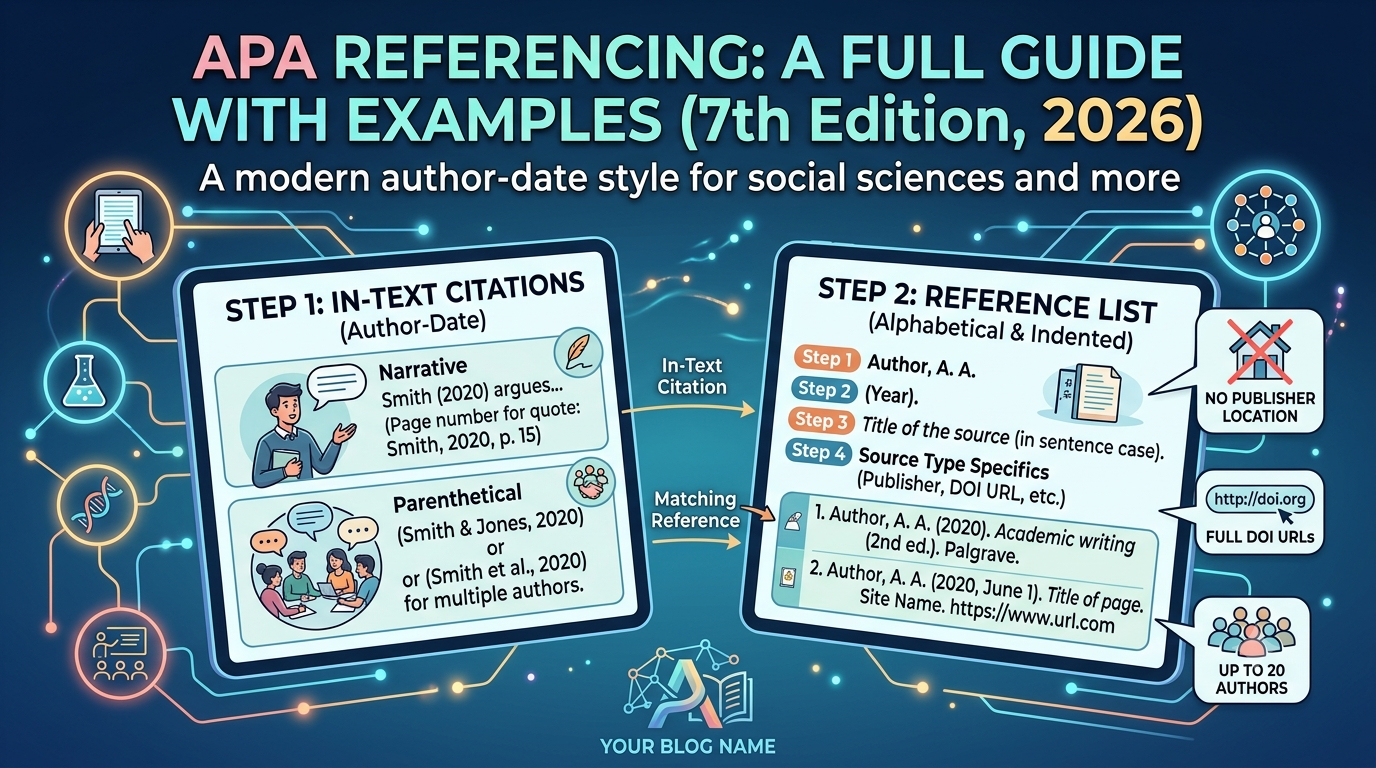
APA Referencing: A Full Guide with Examples (7th Edition, 2026)
September 2, 2026

How Student Content Creators Can Get Paid Brand Deals in 2026
March 23, 2026
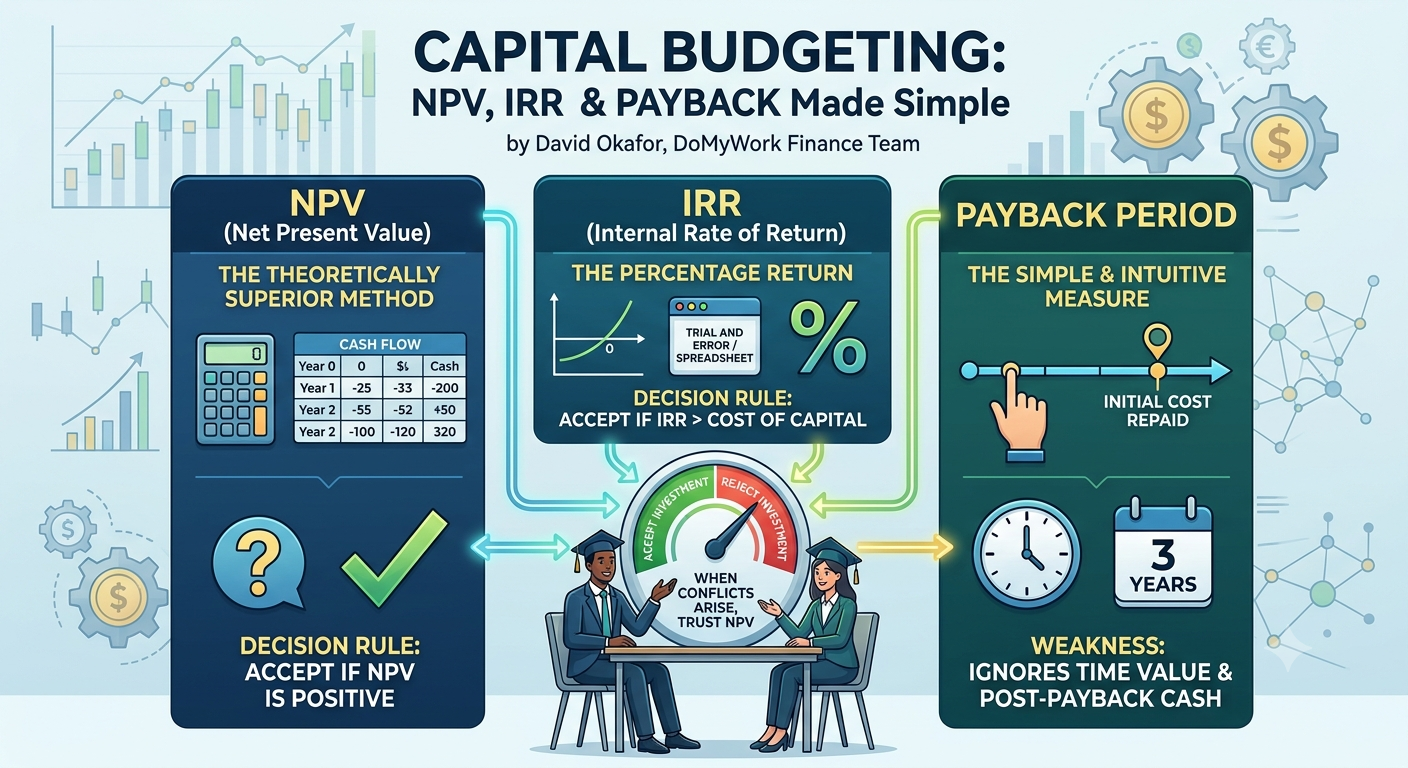
Capital Budgeting: NPV, IRR and Payback Period Made Simple
July 12, 2026

Want more tips & great deals? Get them sent to your inbox
Please enter a valid E-mail
By clicking "Subscribe" you agree to be contacted via e-mail. You can always unsubscribe from the newsletter


