
Ready by 3:05pm Sep 30, 2026
Capstone Project Help: The Complete Guide to Writing a Capstone Project
A capstone project asks you to apply everything from your degree to one real problem. Writing it well comes down to four things: a focused question, a clear structure, evidence-led analysis, then disciplined time management. This guide covers all four, plus how to use capstone projects help the right way.
A capstone sits at the end of your programme for a reason. It is the piece that proves you can take what you have learned then put it to work on a problem that matters in your field. That makes it rewarding, but also high stakes, since it often carries a heavy share of your final mark. The good news is that a capstone rewards process over brilliance. Get the steps right, in order, then the project largely builds itself.
What is a capstone project, and why does it matter?
A capstone project is a culminating assignment that integrates the knowledge, skills, then methods from your whole course into a single substantial piece of work. Unlike a normal essay, it usually solves or investigates a practical problem, then often includes a presentation or portfolio alongside the written report. We cover the full definition, types, then examples in our guide to what a capstone project is.
It matters because it is the closest thing in your degree to professional work. Employers, then admissions panels for further study, read a capstone as evidence that you can scope a problem, gather evidence, then deliver a reasoned recommendation. That is why the grading rewards application, not just knowledge.
What does a capstone project structure look like?
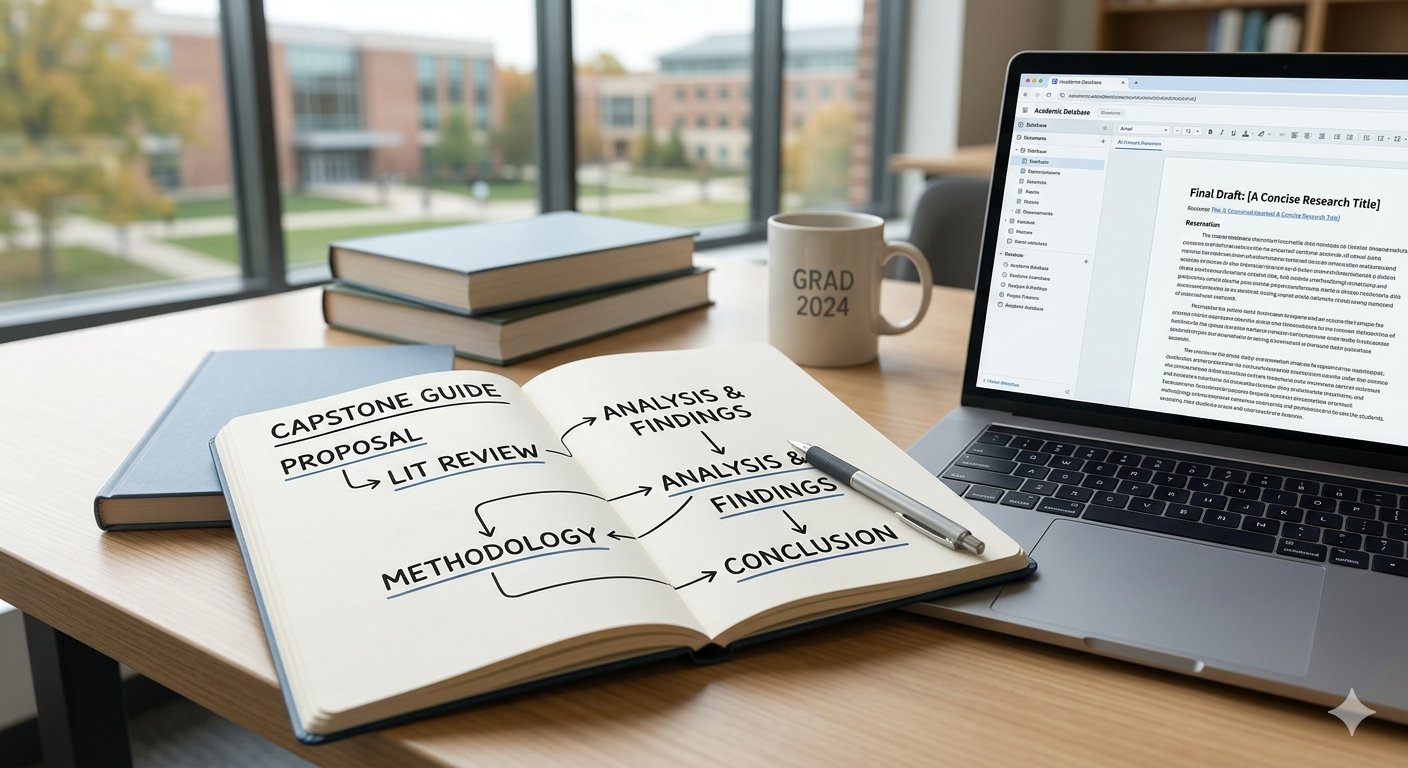
Most capstone projects follow a structure close to a short dissertation. The sections, in order, are: introduction, literature review, methodology, findings, discussion, conclusion, then references, with appendices where needed.
- Introduction: the problem, your question, then why it matters.
- Literature review: what is already known, then the gap you are addressing.
- Methodology: how you investigated the problem, then why that approach.
- Findings: what you discovered, presented clearly without interpretation.
- Discussion: what the findings mean, against the literature.
- Conclusion: the answer to your question, plus recommendations.
Before you write a word, map this into an outline. Our step by step guide to writing a capstone project outline shows how, with a worked example. If your project is research-heavy, the same logic that drives a dissertation structure applies at a slightly smaller scale.
How long does a capstone project take to write?
A capstone is a project of weeks, not days. A typical undergraduate capstone runs 25 pages or more, then expects real research behind it, so plan for several weeks across topic selection, research, writing, then revision. A realistic split puts the largest block on research, a focused block on drafting, then a final stretch on editing, referencing, then preparing any presentation.
The single biggest predictor of a strong capstone is an early start. Projects written in a panic at the end read as rushed, because they are. Beginning the moment the brief lands gives you time to refine the question, which is where most of the quality is won or lost.
What are the most common capstone mistakes?
Four errors recur, then each is avoidable.
- A topic that is too broad. “Mental health in the workplace” is a subject, not a project. Narrow it to a specific, researchable question.
- No clear problem statement. If the reader cannot name the problem you are solving by the end of page one, the project drifts.
- Describing instead of analysing. Findings without interpretation read as a report, not a capstone. Always push into “so what”.
- Leaving it late. A capstone cannot be compressed into a week without the seams showing.
→ Want to see how a strong capstone is built? A model capstone project structured to your brief gives you a worked reference for every section, so you can see the standard before you write your own.
How do you choose a capstone topic?
Choose a problem that is specific, researchable, then genuinely interesting to you, since you will live with it for weeks. The best topics sit where your field has a real gap then you can actually gather evidence. For a long list grouped by subject, see our 50+ capstone project ideas, then narrow one into a sharp project question.
How do you get capstone help without risking academic integrity?
This is the question behind every “do my capstone project” search, then it deserves a straight answer. Legitimate capstone help means using support as a learning aid while the work you submit stays your own. A model capstone shows you how a strong project is structured, argued, then referenced, in the same way a worked example in a textbook teaches a method. The misuse is copying it wholesale then submitting it, which breaches academic integrity rules at every institution.
Used well, support speeds your learning: a model project to benchmark against, feedback on your draft, then an originality check before you submit. Run your finished draft through a Turnitin similarity and AI report so you can see exactly what your supervisor’s system will see, then fix any issues while they are still fixable. Our guide to reducing plagiarism in long projects covers the technique.
How is a capstone presentation or defence assessed?
Many capstones end with a presentation or viva where you talk through your work then field questions. Assessors look for three things: whether you can explain your problem then findings clearly, whether you can defend your method when challenged, then whether you understand the limits of your own work. Prepare by rehearsing a five minute summary, then listing the three hardest questions you could be asked. Being able to say “this is what I would do differently next time” reads as maturity, not weakness.
Treat the presentation as part of the project, not an afterthought. A strong written report undersold in a nervous, unstructured talk loses marks that were already earned. A clear, confident walkthrough protects them, so build in time to rehearse before the day.
How should you manage your time across a capstone?
Work backward from the deadline, then block the project into phases: a week or two to settle the question, then proposal, the largest block for research, a focused block for drafting section by section, then a final stretch for editing, referencing, then rehearsing any presentation. Build a buffer at the end, since data collection slips then portals fail. Students who protect that buffer submit calmly, while those who do not lose marks to avoidable last-minute errors.
Ready to develop your capstone project? Let our experts help.
Once you’ve chosen your topic, the next step is turning your idea into a structured project with clear research, analysis and presentation. Explore our capstone project writing support for guidance throughout your project.
Frequently asked questions
What is a capstone project?
A capstone project is a final, culminating assignment that integrates the knowledge and skills from your whole programme into one substantial piece of work, usually solving or investigating a real problem in your field, often with a presentation alongside the written report.
How long should a capstone project be?
Most undergraduate capstones run 25 pages or more, though length varies by programme. Check your brief, since some institutions set a word count of 6,000 to 12,000 words while others specify a page range.
Is it cheating to get capstone project help?
Using help as a learning aid is legitimate: a model project to learn structure from, feedback on your draft, or an originality check. Submitting work written by someone else as your own breaches academic integrity rules. Keep the final submission your own.
What is the hardest part of a capstone project?
Narrowing a broad subject into a specific, researchable problem is the part most students find hardest, then it is the part that decides whether the rest of the project holds together. Spend real time on the question before you write.
Popular posts
How to Write an Annotated Bibliography (with Example, 2026)
September 1, 2026
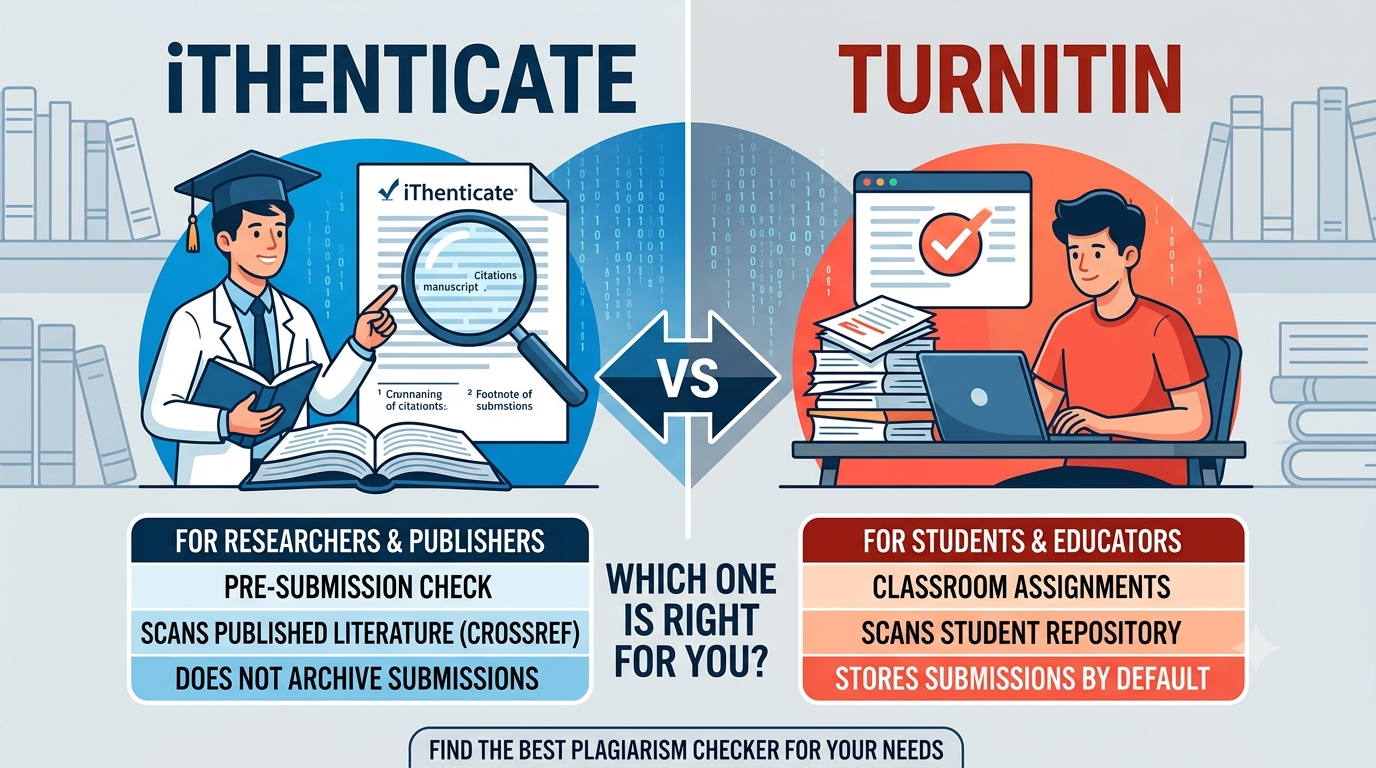
iThenticate vs Turnitin: What Is the Difference?
July 18, 2026
Scribbr vs Turnitin: Which Plagiarism Checker Is Better? (2026)
June 5, 2026
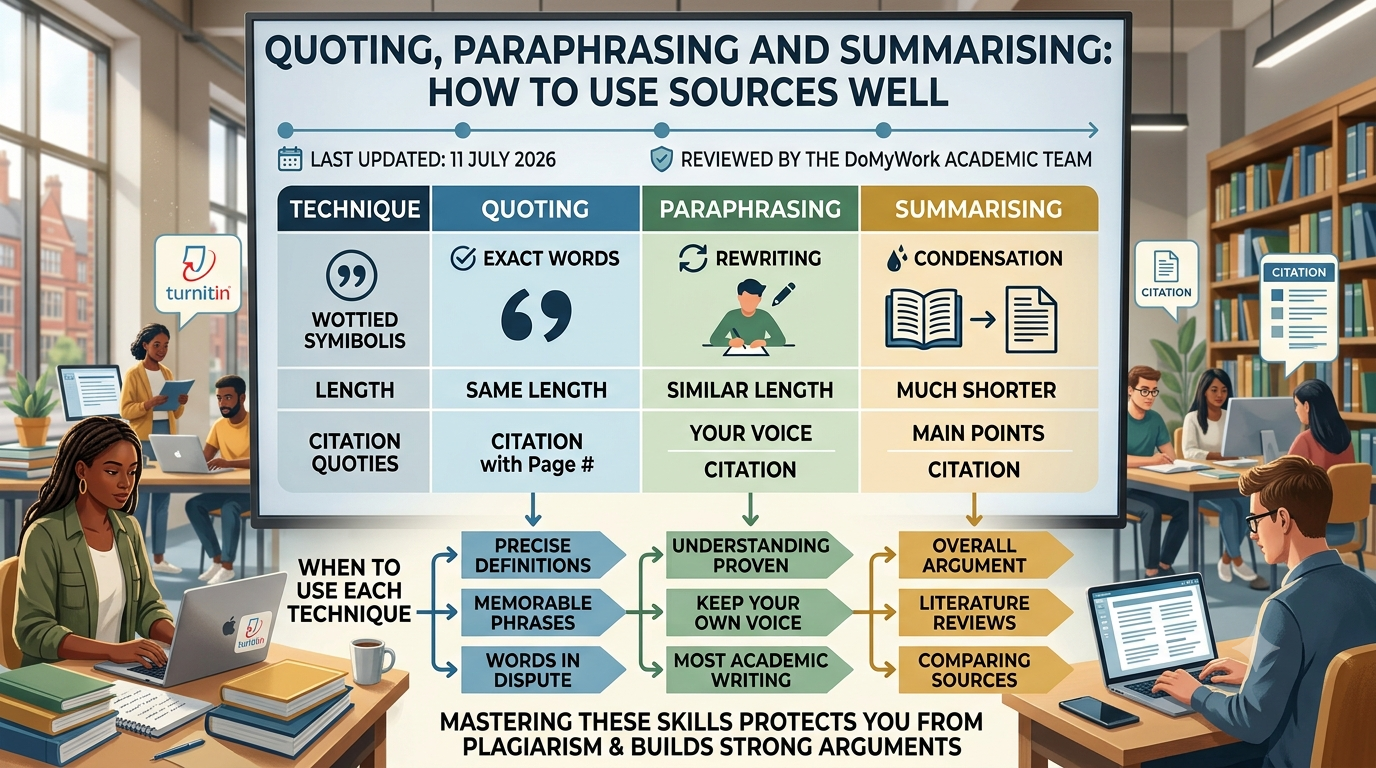
Quoting, Paraphrasing and Summarising: How to Use Sources Well
July 22, 2026

Law Assignment Help: A Practical Guide to Higher Marks
June 15, 2026
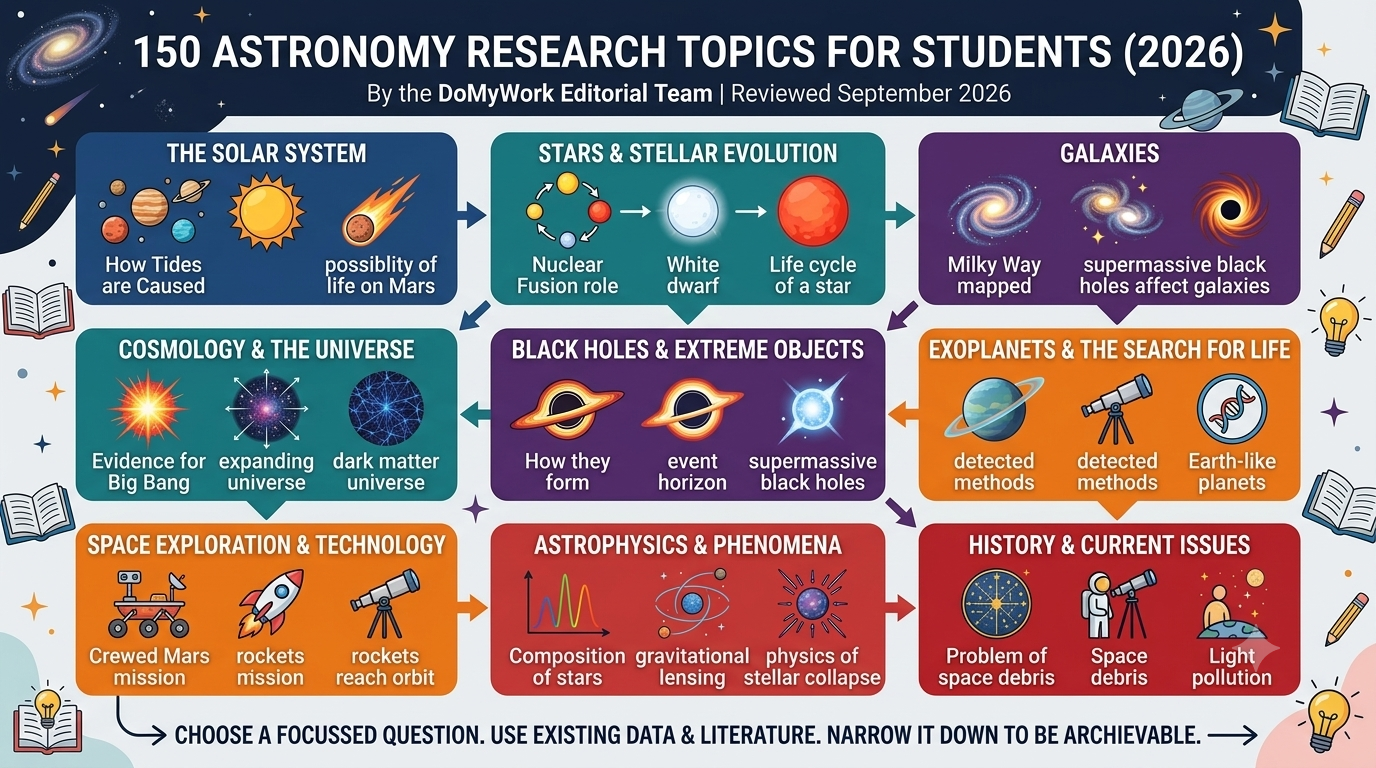
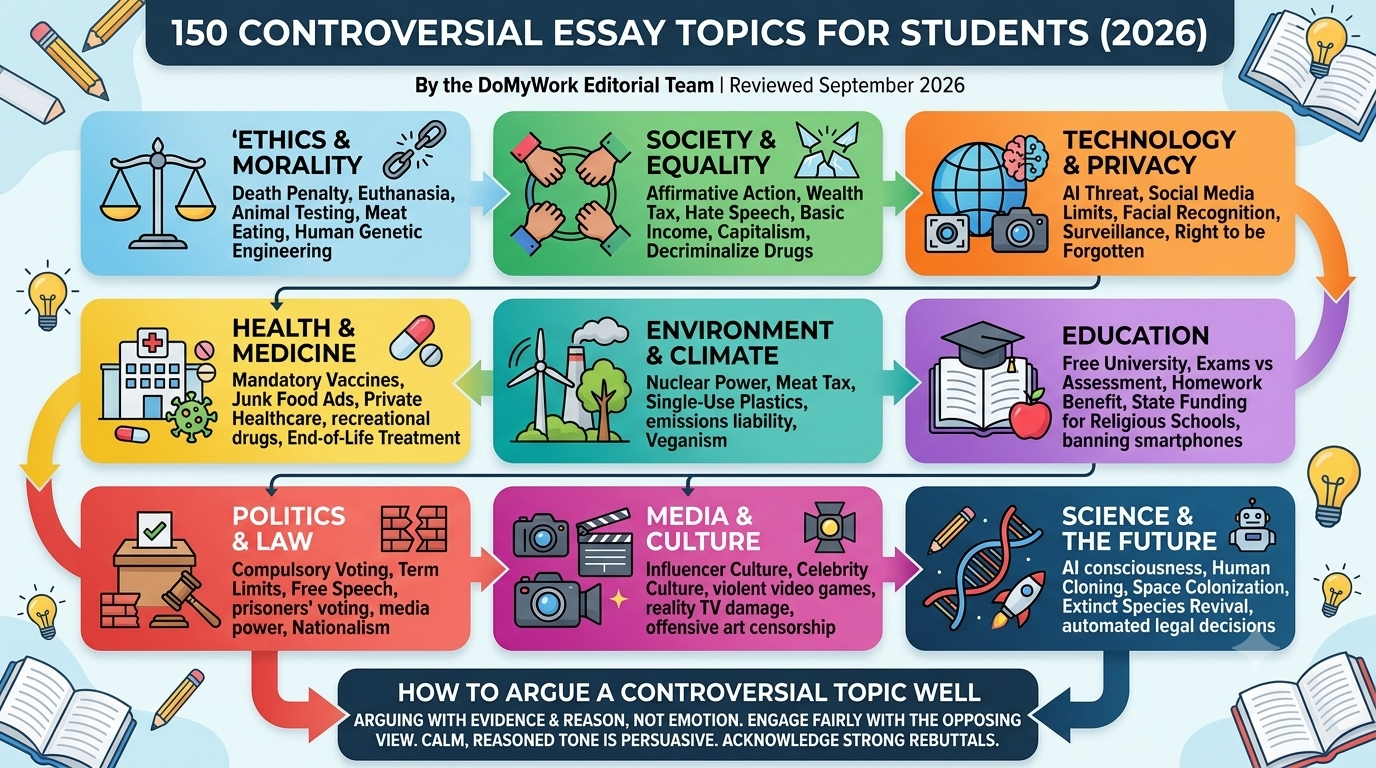
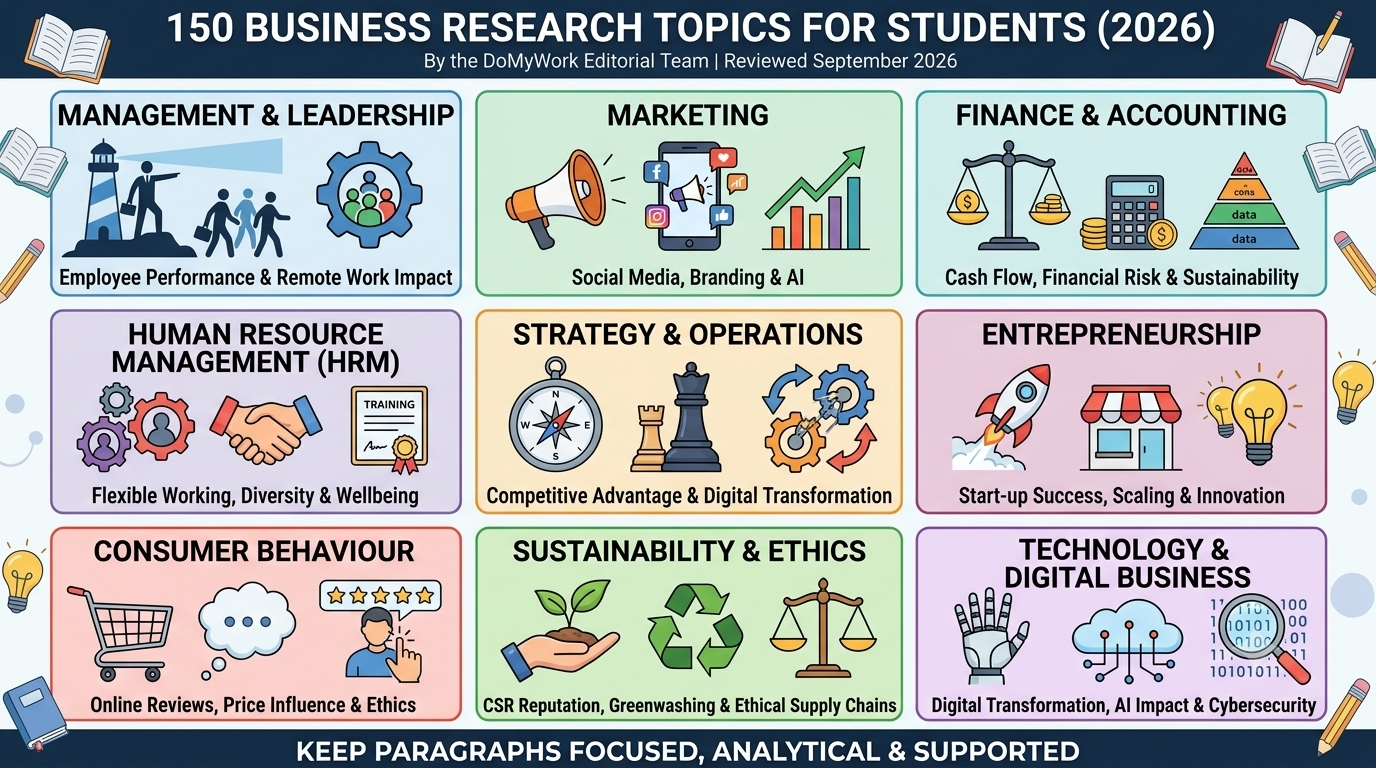
Want more tips & great deals? Get them sent to your inbox
Please enter a valid E-mail
By clicking "Subscribe" you agree to be contacted via e-mail. You can always unsubscribe from the newsletter


