
Ready by 8:27am Oct 12, 2026
120 Term Paper Topics for Students
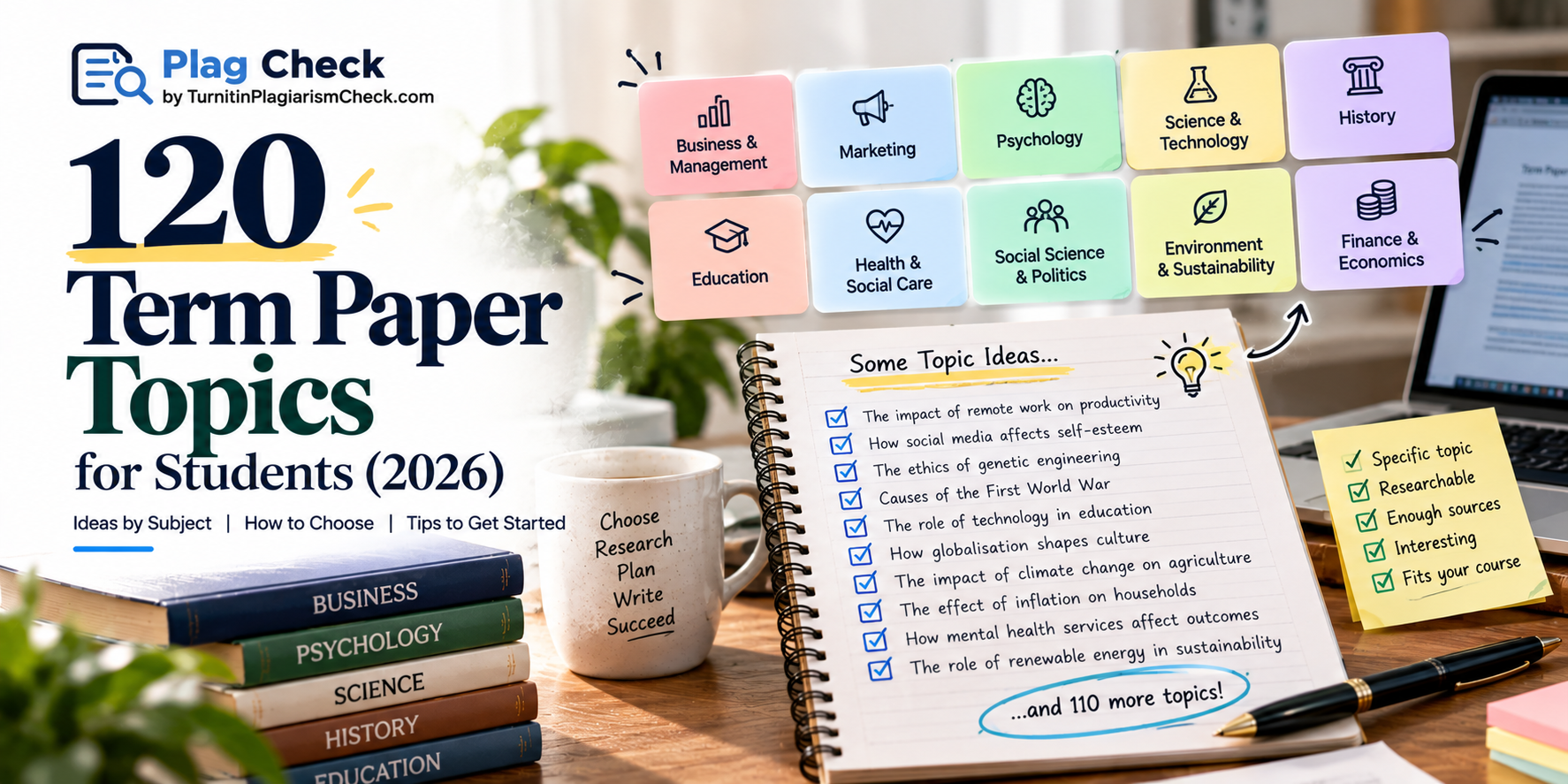
A strong term paper topic is specific, researchable and interesting, with enough credible sources to support in-depth work. Good areas include business, psychology, science, history, education and social science. The topic should be narrow enough to cover thoroughly. This guide gives 120 topics grouped by subject, then shows how to choose and shape one.
A term paper is a substantial piece of research writing, usually completed over a term, so the topic needs to sustain in-depth work backed by credible sources. The best topics are specific, researchable and genuinely interesting to you. This guide gives 120 term paper topics grouped by subject, then shows how to choose and shape one. Because a term paper is research-led, planning it well matters, and our research proposal example and how to write a literature review guides help you build it.
What makes a good term paper topic?
A good term paper topic is specific rather than broad, so you can cover it thoroughly rather than superficially. It is researchable, meaning credible sources and evidence exist to support it, and it is interesting enough to keep you engaged over a term. It should also suit your course and fit the length you have been set. The most common mistake is choosing something too broad, so narrow a wide subject to a focused question or angle, which gives your paper depth and a clear direction rather than a shallow survey.
120 term paper topics by subject
The topics below are grouped by subject. Narrow any of them to a specific, researchable focus.
Business and management
● The impact of remote work on productivity.
● How leadership style affects employee retention.
● The role of branding in consumer loyalty.
● How small businesses build resilience.
● The effect of corporate social responsibility on reputation.
● How organisational culture drives innovation.
● The impact of digital transformation on business.
● How workplace wellbeing affects performance.
● The role of strategy in business growth.
● How companies manage change.
● The effect of flexible working on productivity.
● The impact of e-commerce on traditional retail.
Marketing
● How social media marketing affects buying behaviour.
● The impact of influencer marketing on trust.
● How personalisation affects consumer response.
● The role of storytelling in branding.
● How sustainability messaging affects buyers.
● The effect of online reviews on purchases.
● How content marketing builds awareness.
● The impact of AI on marketing.
● How brands manage a crisis.
● The role of emotion in advertising.
● How loyalty programmes affect retention.
● The effect of digital advertising on privacy.
Psychology
● The effect of social media on self-esteem.
● How stress affects decision-making.
● The impact of childhood on adult behaviour.
● How motivation affects performance.
● The psychology of habit formation.
● How sleep affects cognition.
● The effect of colour on mood.
● How memory can be unreliable.
● The psychology of persuasion.
● How resilience protects mental health.
● The effect of exercise on mood.
● How personality affects wellbeing.
Science and technology
● The impact of artificial intelligence on society.
● How renewable energy reduces emissions.
● The ethics of genetic engineering.
● How climate change affects ecosystems.
● The role of data privacy in the digital age.
● How vaccines protect populations.
● The impact of automation on employment.
● How social media spreads misinformation.
● The science of sleep and memory.
● How antibiotic resistance develops.
● The effect of technology on attention.
● How the internet changed communication.
History
● The causes of the First World War.
● How the Industrial Revolution changed society.
● The impact of colonialism on modern economies.
● How the Cold War shaped global politics.
● The role of propaganda in wartime.
● How social movements achieve change.
● The impact of the printing press.
● How empires rise and fall.
● The history of women’s suffrage.
● How migration shaped nations.
● The causes of a chosen revolution.
● How technology has driven historical change.
Education
● The impact of technology on learning.
● How exam pressure affects students.
● The effect of class size on attainment.
● How parental involvement affects achievement.
● The role of feedback in learning.
● How online learning affects motivation.
● The impact of the attainment gap.
● How mental health affects students.
● The effect of homework on outcomes.
● How teacher quality affects learning.
● The impact of early intervention.
● How assessment methods affect learning.
Health and social care
● The impact of lifestyle on chronic illness.
● How mental health services affect outcomes.
● The effect of an ageing population on healthcare.
● How health inequality affects communities.
● The role of prevention in public health.
● How stigma affects help-seeking.
● The impact of diet on health.
● How technology is changing healthcare.
● The effect of loneliness on health.
● How the pandemic changed healthcare.
● The role of nutrition in wellbeing.
● How stress affects physical health.
Social science and politics
● The impact of social media on political opinion.
● How inequality affects society.
● The effect of immigration on economies.
● How globalisation shapes culture.
● The role of the media in democracy.
● How poverty affects education.
● The impact of policy on social mobility.
● How social movements shape politics.
● The effect of urbanisation on communities.
● How gender roles are changing.
● The impact of misinformation on democracy.
● How community shapes wellbeing.
Environment and sustainability
● The impact of climate change on agriculture.
● How cities can become more sustainable.
● The effect of plastic pollution on oceans.
● How renewable energy is transforming power.
● The role of individual action in sustainability.
● How deforestation affects the climate.
● The impact of fast fashion on the environment.
● How biodiversity loss affects ecosystems.
● The effect of transport on emissions.
● How sustainable business creates value.
● The impact of diet on the environment.
● How policy drives environmental change.
Finance and economics
● The impact of inflation on households.
● How interest rates affect the economy.
● The role of cryptocurrency in finance.
● How the gig economy affects income.
● The effect of the cost-of-living crisis.
● How globalisation affects trade.
● The impact of automation on the economy.
● How financial literacy affects outcomes.
● The role of central banks in stability.
● How housing costs affect the economy.
● The impact of a recession on young people.
● How sustainability is reshaping investment.
How do you choose and shape a term paper topic?
Start from an area that interests you and fits your course, then narrow it to a specific, researchable focus, since depth beats breadth in a term paper. Check that enough credible sources exist before committing, and shape your topic into a clear research question or argument to guide your writing. Reading around the area first, as you would for a literature review, helps you find a focused angle and spot the sources you will need. A well-chosen, narrow topic with good sources behind it is far easier to write well than a broad one you cannot cover in depth.
Tips for a strong term paper
Plan your time across the term, so research, drafting and revising each get their share rather than everything landing in the final week. Keep your topic focused, use credible academic sources, and reference them properly as you write. Because a term paper draws heavily on sources, running your finished work through our plagiarism check confirms your referencing is complete before you submit. Whichever topic you choose above, narrow it, source it well, and let thorough research and a clear argument carry the paper.
Popular posts

How to Write a Dissertation Abstract, With Examples
August 2, 2026

Does Turnitin Detect AI and ChatGPT Writing?
June 22, 2026
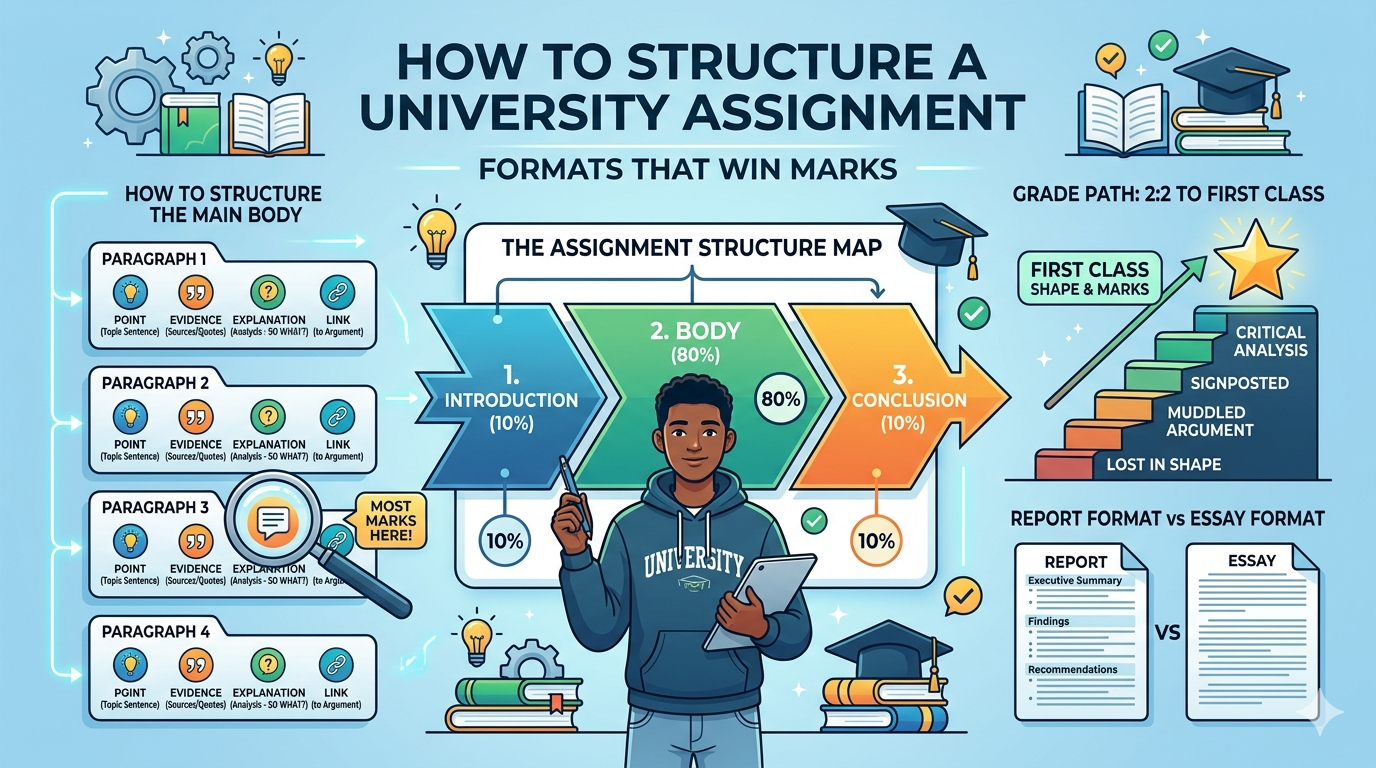
How to Structure a University Assignment: Formats That Win Marks
June 23, 2026

How to Complete a Commercial Cookery Logbook (SITHCCC Units Guide)
July 4, 2026

How to Write a Reflective Commentary for Culinary Coursework
July 6, 2026
Want more tips & great deals? Get them sent to your inbox
Please enter a valid E-mail
By clicking "Subscribe" you agree to be contacted via e-mail. You can always unsubscribe from the newsletter


