
Ready by 3:21pm Aug 25, 2026
Finance Assignment Help: How to Solve and Write Finance Assignments
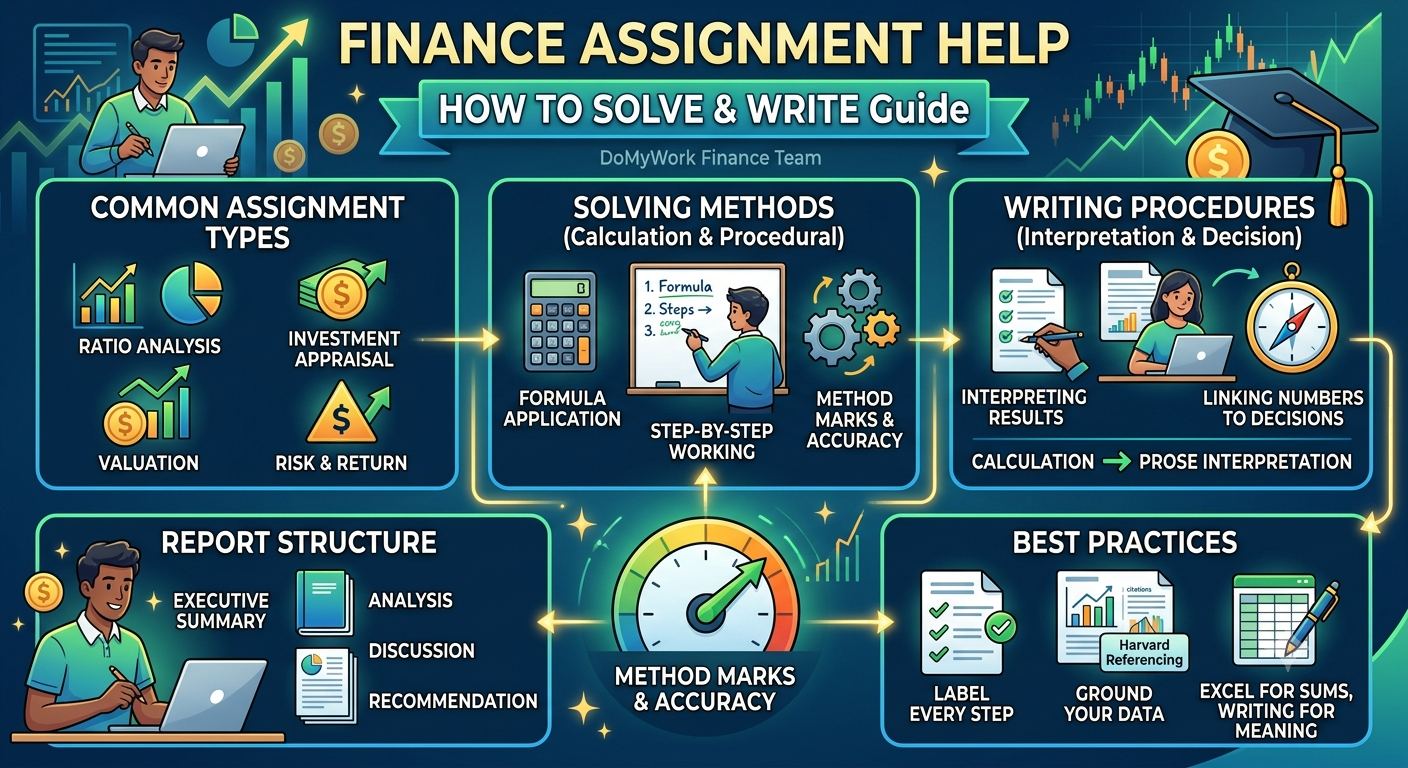
Finance assignments reward methods, not memory. Whether you are calculating ratios, appraising an investment, or valuing a company, the marks come from showing your working clearly, interpreting the numbers, then linking them to a decision. This guide covers the main finance assignment types, the formulas behind them, then how to present your answers for top marks.
Many students who fear finance are surprised to learn that most marks are procedural. You are not expected to invent theory. You are expected to apply the right formula, lay out the steps, then explain what the result means. Once you see finance as a set of repeatable methods rather than a wall of numbers, it becomes far more manageable. This guide breaks down each common assignment type, then shows how to approach it.
What types of finance assignments will you face?
Finance modules recycle a handful of task types, so knowing them in advance removes most of the surprise.
- Ratio analysis: reading a company’s performance from its financial statements.
- Investment appraisal, or capital budgeting: deciding whether a project is worth funding.
- Valuation: estimating what a company or asset is worth.
- Financial statement analysis: interpreting the income statement, balance sheet, then cash flow.
- Risk and return: measuring, then managing, financial risk.
- Corporate finance essays: theory questions on capital structure, dividends, or markets.
Most assignments mix calculation with written interpretation, then it is the interpretation where higher marks are won or lost.
Why do students find finance assignments hard?
The difficulty is rarely any single formula. It is the combination: numerical work, then written interpretation, then underlying theory, all in one task. Students strong at maths sometimes skip the explanation, while students strong at writing sometimes fumble the calculation. Finance needs both.
Presentation adds another layer. A correct answer buried in messy working still loses method marks, since the examiner cannot follow it. Spreadsheets help, but only if the logic behind them is shown. The students who do best treat every finance answer as a small argument: here is the calculation, here is what it means, here is the decision it supports.
How do you approach a finance calculation question?
Work through a reliable sequence rather than diving at the numbers. Read the question fully, then identify what it is really asking. Pick the correct formula or model. Set out your working in clear, labelled steps, showing each input. Calculate carefully, keeping your units consistent. Then, crucially, interpret the result: state what the number means for the decision at hand.
That final interpretation step is the one weaker answers skip. A net present value of forty thousand pounds means nothing on its own; saying the project should be accepted because it adds value is what earns the mark.
How do you interpret financial ratios?
Ratios only mean something in comparison, against prior years, against competitors, or against an industry benchmark. A current ratio of 1.5 is neither good nor bad until you compare it. Always pair a calculated ratio with a short interpretation, then a comparison. Our full guide to ratio analysis with worked examples covers each ratio category in detail.
→ Stuck on a finance problem set? A model finance assignment with full working shows you exactly how to lay out each calculation then interpret the result, as a reference for your own answers.
How do you appraise an investment?
Investment appraisal uses three main tools: payback period, net present value, then internal rate of return. NPV is the one examiners weigh most, since it accounts for the time value of money then gives a clear accept-or-reject rule. Our guide to NPV, IRR and payback works through each with a full example.
How do you write a finance report?
Some assignments ask for a report rather than a problem set: analysing a company then recommending a course of action. These follow a structured format, executive summary, analysis, discussion, then recommendation. Our guide to writing a financial analysis report sets out the structure with an example.
How do you show your working for full marks?
Finance marking usually awards method marks, so a wrong final answer with correct working still scores. Label each step. Show the formula before you plug in numbers. Keep units consistent, then round only at the end. Present calculations in a clear table where possible. This discipline protects marks even when a small arithmetic slip creeps in, since the examiner can see you understood the method.
How do you reference a finance assignment?
Even calculation-heavy assignments need referencing when you use data or theory. Cite the source of your figures, an annual report, a database, or a set of financial statements, then reference any models or texts you draw on, usually in Harvard. Accurate data sourcing shows your numbers are grounded, which markers value. Structure the written parts the way you would any assignment, following our guide to structuring a university assignment.
How do you get finance assignments the right way?
Legitimate help means using worked model solutions to learn the method, while the work you submit is your own. A model answer that shows how a valuation is built, or how a report reaches its recommendation, teaches you the approach in the same way a worked textbook example does. The misuse is copying it wholesale. Since finance work is increasingly checked for both plagiarism and AI generation, run your finished draft through a Turnitin and AI report so you can confirm it reads as your own before you submit.
Should you use Excel for finance assignments?
For anything with repeated calculations, ratios across years, or a discounted cash flow, a spreadsheet saves time then reduces arithmetic errors. Build your formulas cleanly, then label every row so the logic is visible. If your assignment allows it, submitting the spreadsheet alongside your write-up shows your working in full. The caution is that a spreadsheet answer still needs interpretation in prose; a grid of numbers with no explanation earns few marks. Use Excel to do the sums, then use your writing to say what they mean.
One habit worth building early: keep your inputs, such as the discount rate or tax rate, in separate labelled cells, then reference them in your formulas. A single change then updates the whole model, which is how finance is done in practice, then it makes checking your work far easier.
→ Get financial support the right way. See pricing for a model finance assignment to learn the method from, then check your own draft with a fast originality report.
Frequently asked questions
What is included in finance assignment help?
Support typically covers ratio analysis, investment appraisal, valuation, financial statement analysis, then corporate finance essays. Legitimate help means worked model solutions you learn the method from, plus feedback and originality checks, with the submitted work staying your own.
How do I show working in a finance assignment?
State the formula first, then substitute your numbers in clearly labelled steps, keeping units consistent and rounding only at the end. Method marks mean a correct approach still scores even if a small arithmetic slip occurs.
Why are finance assignments considered difficult?
Because they combine calculation, written interpretation, then theory in one task. The calculation is often the easy part; the marks are won in interpreting the result and linking it to a decision.
Do finance assignments need referencing?
Yes. Cite the source of any data, such as annual reports or databases, then reference any models or texts you use, usually in Harvard. Grounding your figures in sources strengthens the work.
Popular posts
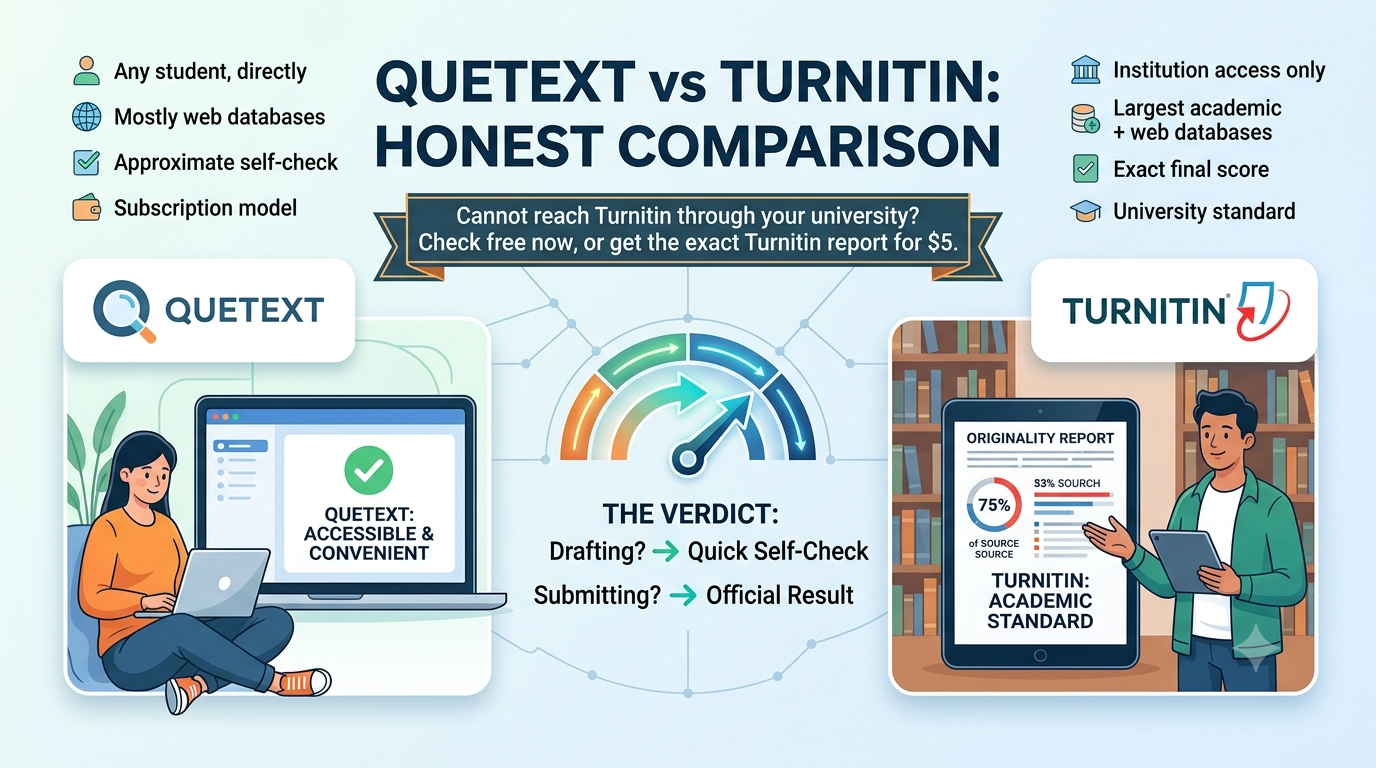
Quetext vs Turnitin: Honest Comparison
July 5, 2026
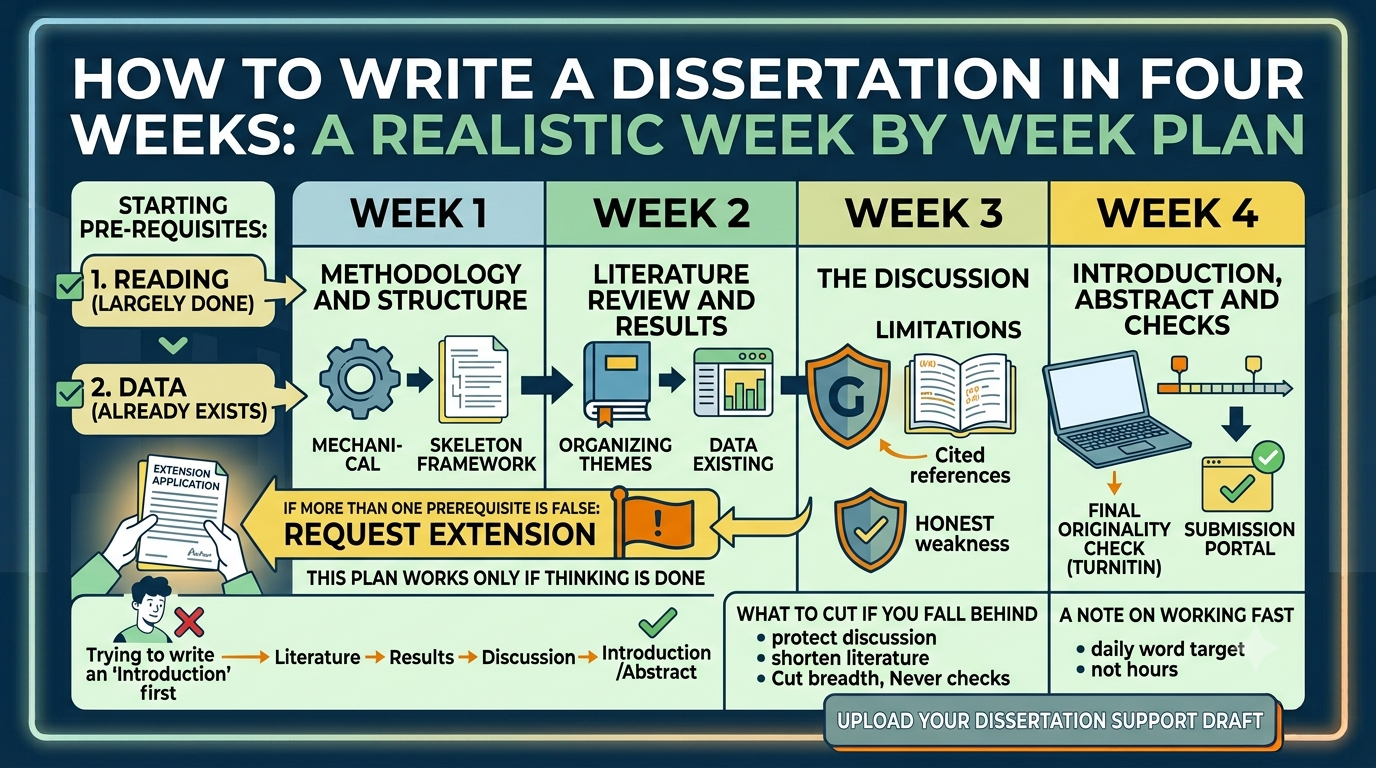
How to Write a Dissertation in Four Weeks: A Realistic Week by Week Plan
July 24, 2026
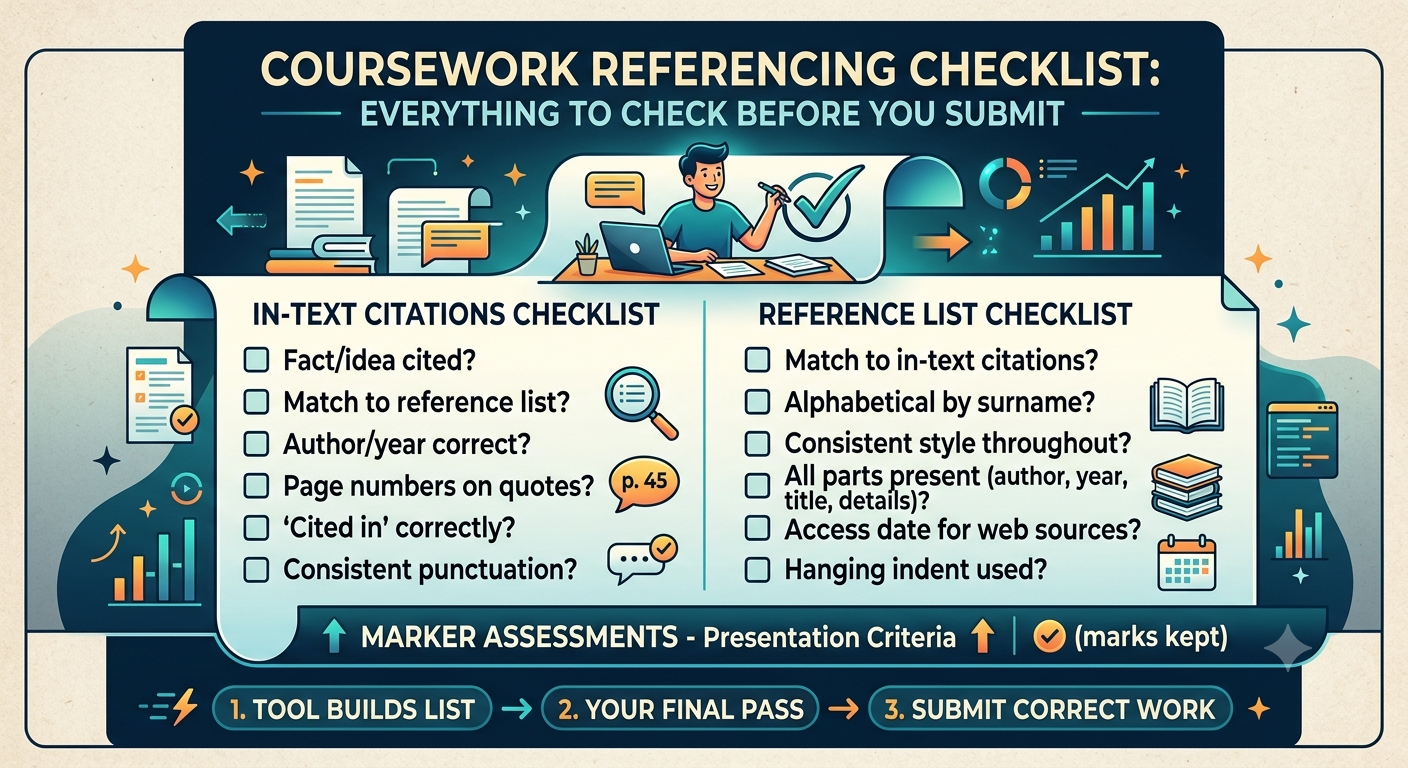
Coursework Referencing Checklist: Everything to Check Before You Submit
August 3, 2026

How Student Content Creators Can Get Paid Brand Deals in 2026
March 23, 2026
How Long Does It Take to Write a 2000 Word Assignment?
June 24, 2026



Want more tips & great deals? Get them sent to your inbox
Please enter a valid E-mail
By clicking "Subscribe" you agree to be contacted via e-mail. You can always unsubscribe from the newsletter