
Ready by 3:17pm Oct 9, 2026
Plagiarism and Similarity Checks for Journal Submission
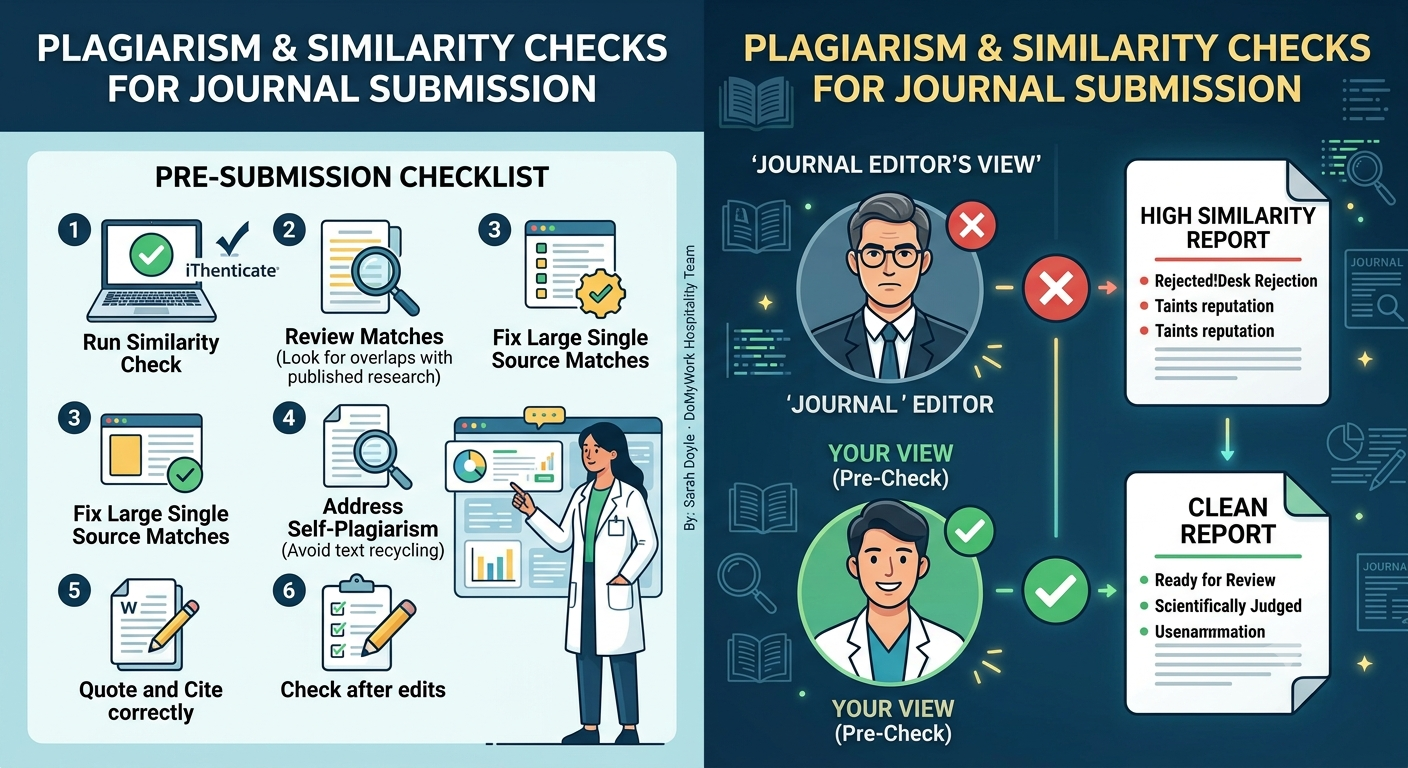
Before you submit to a journal, run a similarity check so you can fix overlaps the editor would otherwise flag. Many publishers use iThenticate, which checks against published research and journal archives. Aim for a clean report with low single source matches, and pay close attention to text reused from your own earlier papers.
Submitting to a journal raises the stakes well above a normal assignment. Editors screen for similarity before they even send a paper out for review, and a high or careless similarity report can get your manuscript rejected or sent back before anyone reads the science. Checking your own work first lets you fix the avoidable problems and present a clean submission. Here is what to check, against what, and how to read the result.
How do I check my paper before journal submission?
Run your full manuscript, with references in place, through a similarity tool that checks against published research, then review the report match by match. Treat it the way an editor will, by looking past the headline percentage to the individual sources. Fix any passage that sits too close to a source, tidy your quoting and citations, and pay special attention to text you may have carried over from your own earlier work. Then run a final check before you submit.
What is iThenticate and how does it differ from Turnitin?
iThenticate is the similarity service built for researchers and publishers, and it is the one many journals use behind the scenes. It comes from the same company as Turnitin and uses similar matching, but it is aimed at published and professional research rather than student assignments, and it checks heavily against journal archives and scholarly databases. The practical difference for you is the audience. Turnitin is tuned to student work, iThenticate to research manuscripts. For a direct comparison, see iThenticate vs Turnitin.
What similarity score do journals accept?
There is no single accepted figure, and it varies by publisher, but the same principle applies as everywhere else, namely that the spread matters more than the total. Editors are less worried by a modest percentage spread across many sources than by a single source contributing a large block, which suggests text was lifted. Many publishers look for low single source matches and treat a high overlap with any one paper as a red flag. Check the specific journal guidance where it exists, and aim for a clean report rather than a particular number.
How do I handle self plagiarism and text recycling?
This is the issue that catches researchers most often. Reusing text from your own earlier papers, sometimes called text recycling, is treated seriously by journals, because each publication is expected to be a distinct contribution. Methods sections are a common trap, since you may run the same procedure across studies and describe it the same way. The fix is to rewrite reused passages for the new paper and cite your earlier work where appropriate. For the full explanation, see self plagiarism, and how to avoid it.
What about reusing your thesis as papers?
Turning thesis chapters into journal articles is normal and expected, but it has to be handled carefully. If your thesis is publicly available in a repository, a similarity check may match your paper against it, which can look alarming even though it is your own work. Be open about the relationship between the thesis and the paper, follow the journal policy on prior dissemination, and rewrite rather than copy where you can. Many publishers accept work derived from a thesis as long as you disclose it, so the key is transparency, not secrecy.
Can I check before I submit?
Yes, and you should. You do not have to wait for the editor’s check to find out there is a problem. Run your own similarity check first, ideally against academic sources, so you see what the editor will see and can fix it in advance. Our plagiarism checker for researchers covers what to look for, and our thesis plagiarism checker handles long documents privately, which matters for unpublished manuscripts.
A pre-submission checklist
- Run the full manuscript through a similarity check with references in place.
- Review the largest single source matches first and fix anything too close.
- Check for text recycled from your own earlier papers and rewrite or cite it.
- Confirm your quoting and citations are correct and complete.
- Disclose any overlap with your thesis or prior work per the journal policy.
- Run a final check after edits before you submit.
Why editors check similarity before review
Journals screen for similarity at submission because their reputation depends on publishing original work, and a high overlap is a fast signal that something needs a closer look. A paper that arrives with obvious copying, or a large block matching a single source, can be desk rejected before it ever reaches a reviewer, which wastes the months you waited. Editors are not looking to catch you out so much as to protect the journal, but the effect on you is the same. Submitting a clean report removes a reason for early rejection and lets the science be judged on its merits.
What a good pre-submission report looks like
A clean submission report is not necessarily a zero, because methods, references and standard terminology will always match. What editors want to see is a low overlap with any single source, and matches that are clearly accounted for by legitimate reuse such as your reference list or a standard protocol. A report where one paper contributes a large share is the warning sign, since it suggests lifted text. So when you check, focus on the largest single source matches and make sure each is either properly quoted, properly cited, or rewritten.
Methods sections and the recycling trap
Methods are the most common place researchers run into trouble, because you may use the same procedure across several studies and describe it the same way each time. Reusing your own methods text across papers is text recycling, and journals increasingly flag it. The fix is to describe the method afresh for each paper, or to cite your earlier paper for the full protocol and summarise briefly. It feels unnecessary, since the method genuinely is the same, but the expectation is that each paper stands as its own distinct piece of writing. See self plagiarism for the principle behind this.
Choosing the right tool for a manuscript
For a manuscript, you want a check against published research and journal archives, which is what publishers use through iThenticate, rather than a web focused scanner. You also want privacy, because your unpublished manuscript should not be stored anywhere it could later match against you or leak. A tool that checks academic sources and deletes your file afterwards is the right profile. Our plagiarism checker for researchers is aimed at exactly this, and for the head to head on the two main services, see iThenticate vs Turnitin.
After the check, before you submit
Once you have run the check and worked through the matches, do a final pass focused on the things editors notice. Confirm every reference you cite is real and that you have actually read it, since fabricated or borrowed references are a serious problem. Check that any overlap with your own prior work, including your thesis, is disclosed per the journal policy. Run one last similarity check after your edits, because changes can introduce new matches. Then submit with the confidence that the report holds no surprises for the editor.
Common reasons a manuscript gets flagged
Manuscripts tend to get flagged for a predictable set of reasons, and knowing them lets you pre-empt the editor.
- A large overlap with a single published paper, which suggests lifted text.
- Recycled methods or introduction text from your own earlier work.
- Long quoted passages that should be summarised instead.
- Standard phrasing and definitions, which match harmlessly but add up.
- Overlap with your own thesis sitting in a public repository.
Most of these are fixable before submission. Rewrite the genuine overlaps, summarise rather than quote at length, cite your own earlier work where you reuse it, and disclose any thesis overlap. The harmless matches, such as standard terminology, you can leave, since an editor reading the report will recognise them. The aim is a report with no single large unexplained match.
How long before submission should you check?
Check once your manuscript is essentially final, with references in place, but with enough time left to act on what you find. A week is comfortable for a paper, since it lets you rewrite any flagged passages and run a confirming check without rushing. Leaving it to the day of submission is risky, because a real overlap may need more than a quick fix, especially if it involves reworking a methods section or reconciling overlap with your own prior work.
What to do if the editor flags your paper
If a paper comes back with a similarity concern, do not panic, because it is often fixable. Read the report the editor used, find the matches they are worried about, and address each one. A large overlap with a single source needs rewriting or, if it is your own earlier work, clear citation and disclosure. Standard phrasing usually needs only an explanation. Respond to the editor with a brief note on what you changed and why any remaining matches are legitimate. Many papers flagged at submission go on to be accepted once the genuine overlaps are resolved, so treat it as a fixable step rather than a rejection.
Frequently asked questions
What is a safe similarity score for a journal?
There is no universal figure. Editors care more about the spread than the total, and a low overlap with any single source is the practical target. Check the specific journal guidance.
Is reusing my own methods section plagiarism?
It can count as text recycling, which journals take seriously. Rewrite the description for the new paper and cite your earlier work where appropriate.
Will my paper match my own thesis?
It can, if your thesis is in a public repository. Disclose the relationship and follow the journal policy, since work derived from a thesis is usually acceptable when declared.
Do journals really check before review?
Many do, screening for similarity at submission. Checking your own work first means you fix problems before they reach the editor.
What similarity percentage will get my paper rejected?
There is no fixed cut off, and it varies by journal. Editors react more to a large overlap with a single source than to a modest total spread across many, so aim for low single source matches.
Is reusing my own published text allowed?
Only with care. Text recycling between your own papers is treated seriously, so rewrite reused passages or cite your earlier work rather than copying it across.
Do all journals check for plagiarism?
Most reputable journals screen submissions for similarity, many using iThenticate. Checking your own manuscript first means you fix problems before they reach the editor.
Can I check my manuscript privately?
Yes. Use a tool that deletes your file after the report, so your unpublished manuscript is never stored where it could leak or match against you later.
Is text recycling really a problem if it is my own work?
Yes, journals treat reusing your own published text as text recycling, which can hold up or sink a submission. Rewrite reused passages or cite your earlier work rather than copying it across.
Submitting to a journal? Check your manuscript privately before the editor does.
Popular posts
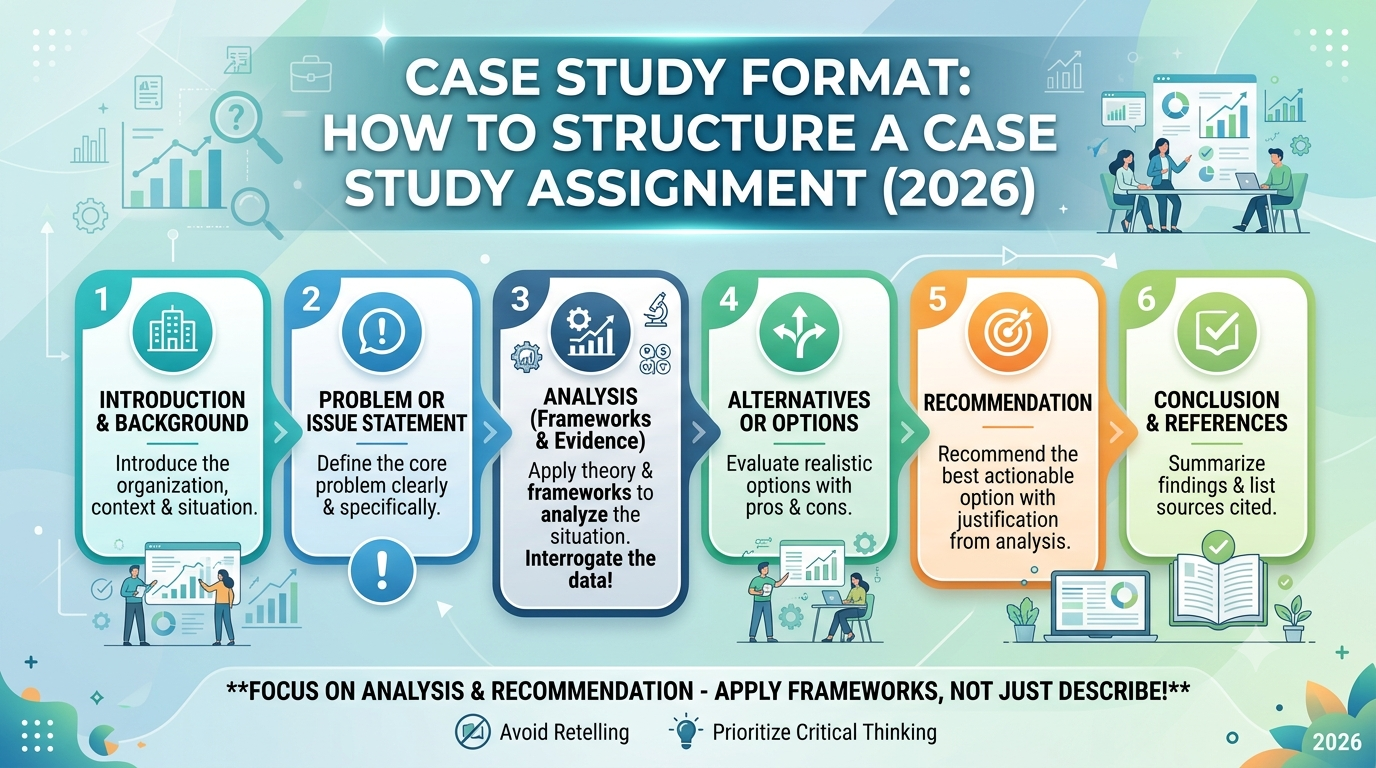
Case Study Format: How to Structure a Case Study Assignment (2026)
August 25, 2026

120+ Business Dissertation Topics and Ideas for 2026
March 2, 2026
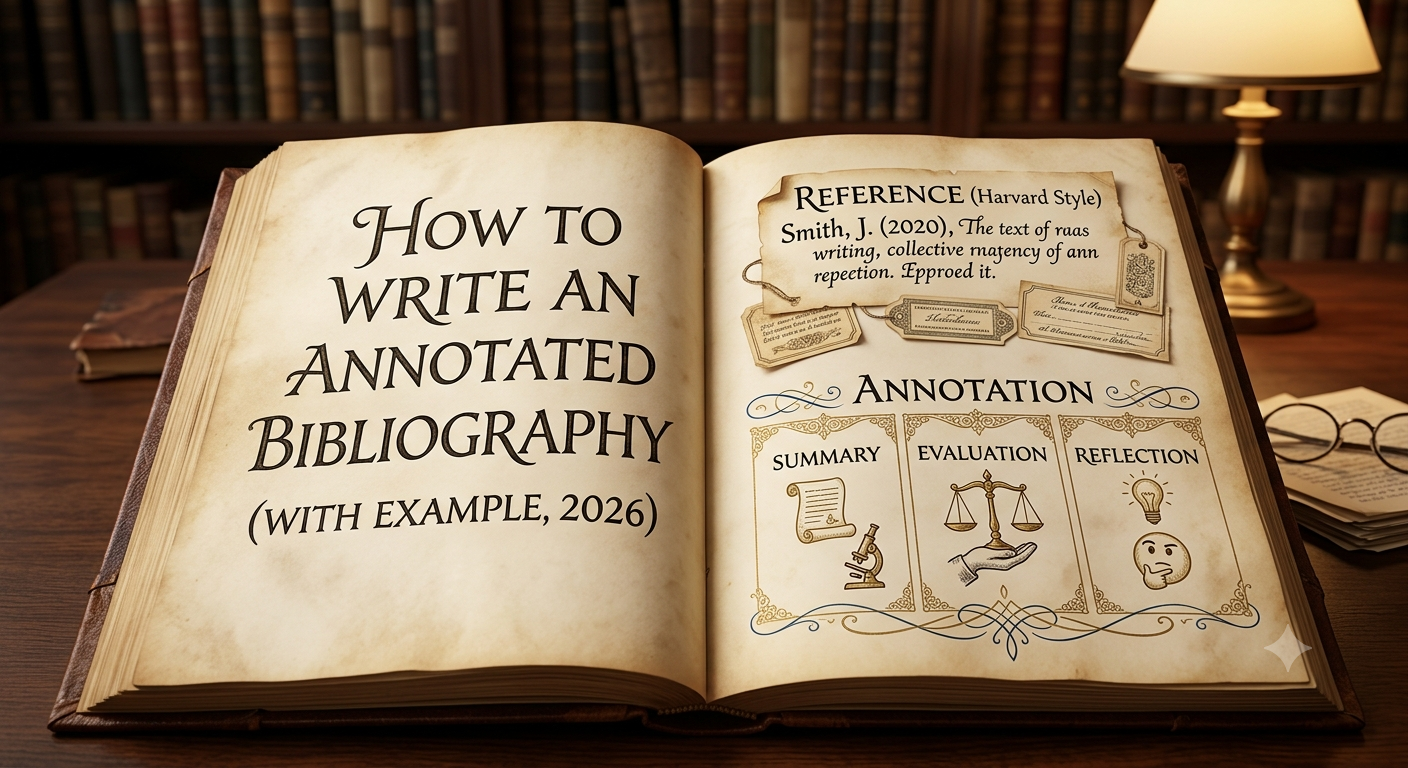
How to Write an Annotated Bibliography (with Example, 2026)
September 1, 2026

Personal Statement Examples and How to Write Your Own (2026)
September 9, 2026
How to Write a First Class Essay at a UK University: A Complete Guide for Students
May 11, 2026
Want more tips & great deals? Get them sent to your inbox
Please enter a valid E-mail
By clicking "Subscribe" you agree to be contacted via e-mail. You can always unsubscribe from the newsletter


