

Ready by 2:04am Oct 4, 2026
Best Student Side Hustles in the UK That Actually Pay in 2026
The most reliable side hustles for UK students in 2026 are tutoring at 15 to 40 pounds an hour, referral and student rep schemes at 50 to 500 pounds a month with a network, food delivery and rideshare at 10 to 15 pounds an hour, market research and user testing at 20 to 100 pounds a study, and freelance writing or design. The right one depends on your time, your network and how much hassle you will tolerate.
UK students are working more side jobs than ever, and with average maintenance loans no longer covering average rent in cities like London, Manchester, Edinburgh and Bristol, it has become close to essential. The honest question is which side hustles are actually worth the time. Below they are grouped by how much effort they take to set up against how reliably they pay, so you can pick what fits your situation.
Which side hustles pay best for the least setup?
Student rep and referral schemes
If you have a network, group chats, an Instagram following, course mates, referral programmes pay disproportionately well for the time involved. The DoMyWork student rep scheme pays UK students commission on every referral that converts to an order, and active reps report 100 to 500 pounds a month from sharing their code, for minutes of work a week. Other UK referral schemes worth a look include UNiDAYS partner programmes and Student Beans codes. Avoid anything that asks you to recruit other people rather than refer customers, which is the mark of a pyramid scheme. The honest version: referral income scales with your network and how active you are, but the time cost is low enough that almost any earnings are worth it.
Tutoring
If you got strong A level or degree marks in any subject, you can almost certainly tutor, with UK rates around 15 to 40 pounds an hour in 2026. Find work through platforms like MyTutor, Tutorful and Superprof, or locally through schools and parents’ groups, which often pays better because there is no platform cut. Setup is a couple of hours to build a profile and verify your qualifications, and once you have two or three regular students you have a stable 100 to 200 pounds a week. The hard part is the first few students, after which it is mostly word of mouth.
Which side hustles offer medium pay for medium effort?
Food delivery and rideshare
Deliveroo, Just Eat, Uber Eats and Uber rideshare are the main options, typically 10 to 15 pounds an hour for UK students in 2026. You are self employed, so register with HMRC if you earn more than 1,000 pounds a year from it and set aside roughly 20 percent for tax. The honest version: pay has dropped as more people sign up, and wear on your bike, phone and time adds up, so the rates are worse than a few years ago though the income is real.
Market research and user testing
UK companies pay students for research, focus groups and user testing through platforms like Prolific, UserTesting and Respondent, often 20 to 100 pounds a study. Check regularly and you can realistically earn 100 to 300 pounds a month, though good studies fill within minutes. Treat it as useful supplementary income rather than something you can rely on monthly, because availability varies.
Content and affiliate work
If you already make TikTok, Instagram or YouTube content, you can monetise through affiliate links and creator partnership programmes, and even small accounts of 5,000 to 20,000 followers can earn 100 to 500 pounds a month with student focused brands. It works if you already make content. Trying to become a creator purely for the money usually does not.
Which side hustles pay most but take real setup?
Freelance writing, design or development
Skilled freelance work pays well but takes time to break into, through platforms like Upwork, Fiverr and PeoplePerHour or direct outreach. The first three to six months are a slog while you build a portfolio, gather reviews and learn to price yourself, after which you can earn far more per hour than most other student work.
Selling on Vinted, Depop or Etsy
Resale and craft selling suit students with an eye for it. Vinted has overtaken Depop for casual clothes selling, while Etsy works for handmade and digital products. Casual sellers earn 50 to 500 pounds a month, though running an Etsy shop at scale is a small business rather than a side hustle and needs real craft or design and marketing skills.
Which side hustles should students avoid?
- Earn money clicking ads schemes, almost all scams or paying too little to bother.
- Crypto and forex trading marketed at students, which is a gamble, not a side hustle, and most lose money.
- Survey sites that ask you to pay to join.
- Multi level marketing that asks you to recruit friends, costing you both money and friends.
- Any job offer that asks for an upfront fee, which is always a scam.
Do international students face work restrictions?
Yes. If you are on a Student visa, your work is capped, usually at 20 hours a week during term for most degree level courses, with more allowed in holidays, and some activities such as self employment and freelancing are restricted or not permitted at all. Always check the conditions printed on your visa and your university’s international student guidance before taking on any paid work, because breaching the conditions has serious consequences.
Do I have to pay tax on side hustle income?
Often, yes. The UK has a 1,000 pound trading allowance, so if you earn more than that from self employed activity in a tax year you need to register with HMRC and complete a Self Assessment return. Employed work through an agency is usually taxed through PAYE instead. As a rule of thumb for self employed income, set aside around 20 percent for tax so a bill does not catch you out. This is general information rather than tax advice, so check the current HMRC guidance for your situation.
Frequently asked questions
What is the best side hustle for a UK student?
It depends on your situation. Tutoring pays well if you have strong grades, referral schemes pay well if you have a network, and delivery or user testing suit flexible spare hours. Match the hustle to your time and skills.
How much can a student realistically earn?
Anywhere from 50 pounds a month from casual selling to 100 to 200 pounds a week from regular tutoring. Referral schemes vary widely with your network. Most students treat it as supplementary, not a full income.
Do I pay tax on side hustle income?
If your self employed earnings pass the 1,000 pound trading allowance in a tax year, you must register with HMRC and file a Self Assessment. Set aside about 20 percent for tax. Check current HMRC guidance for your case.
Can international students work in the UK?
Usually with limits. Student visas typically cap work at around 20 hours a week in term time and restrict self employment. Check the conditions on your visa and your university guidance before working.
Are student referral schemes worth it?
They can be if you already have a network, since the time cost is minutes a week. The DoMyWork rep scheme pays commission per referral that converts, and active reps report 100 to 500 pounds a month.
Already share recommendations with course mates? The DoMyWork student rep scheme pays commission on every referral that converts, for a few minutes of work a week.
Popular posts
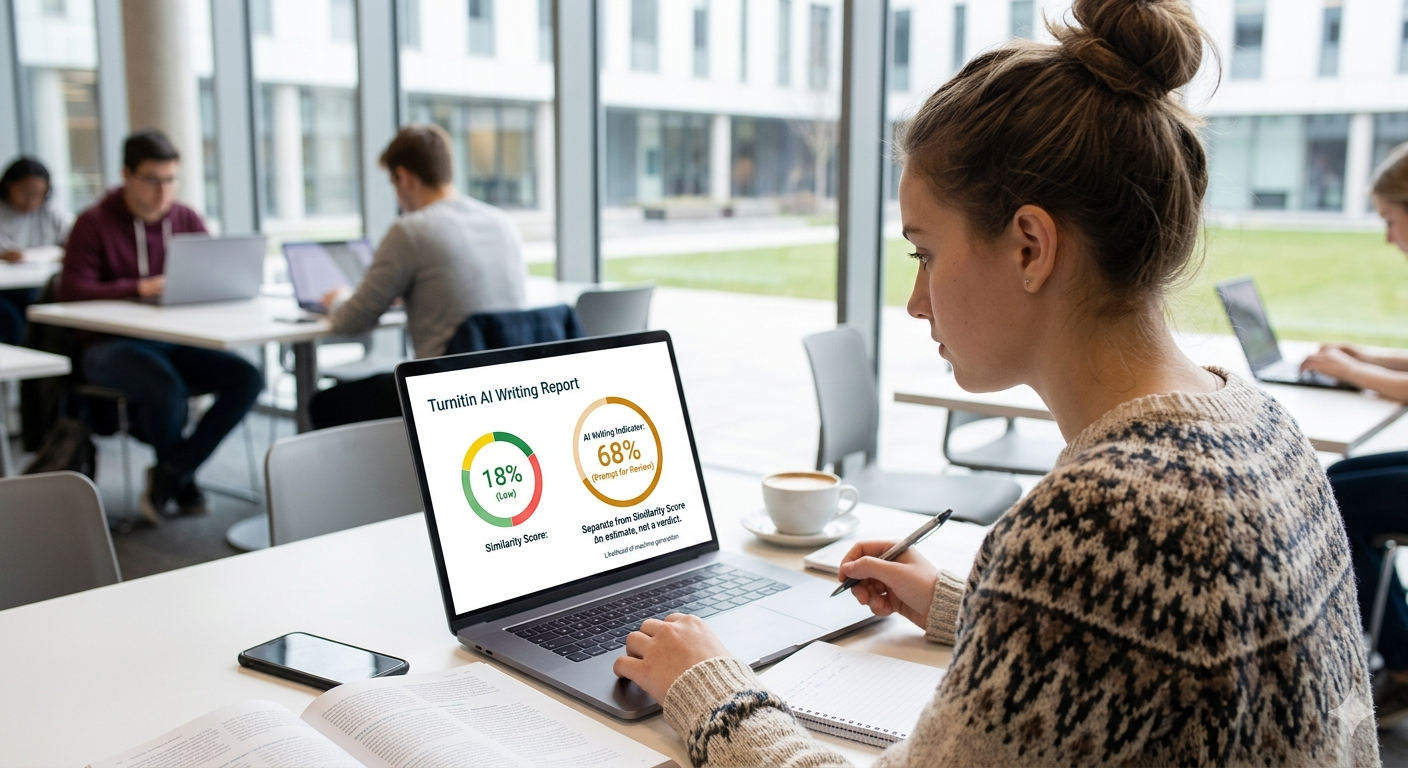
Does Turnitin Detect AI and ChatGPT Writing?
June 22, 2026
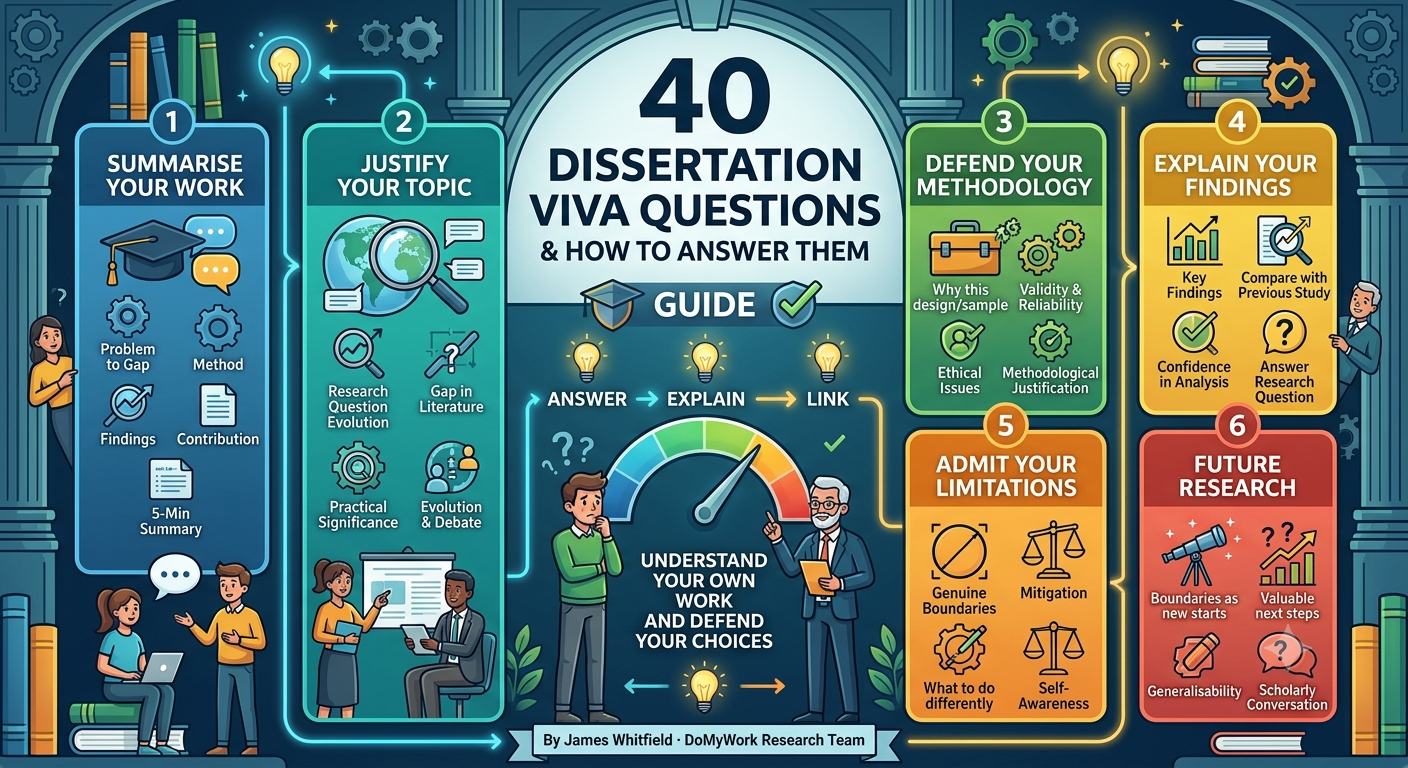
40 Dissertation Viva Questions and How to Answer Them
July 9, 2026
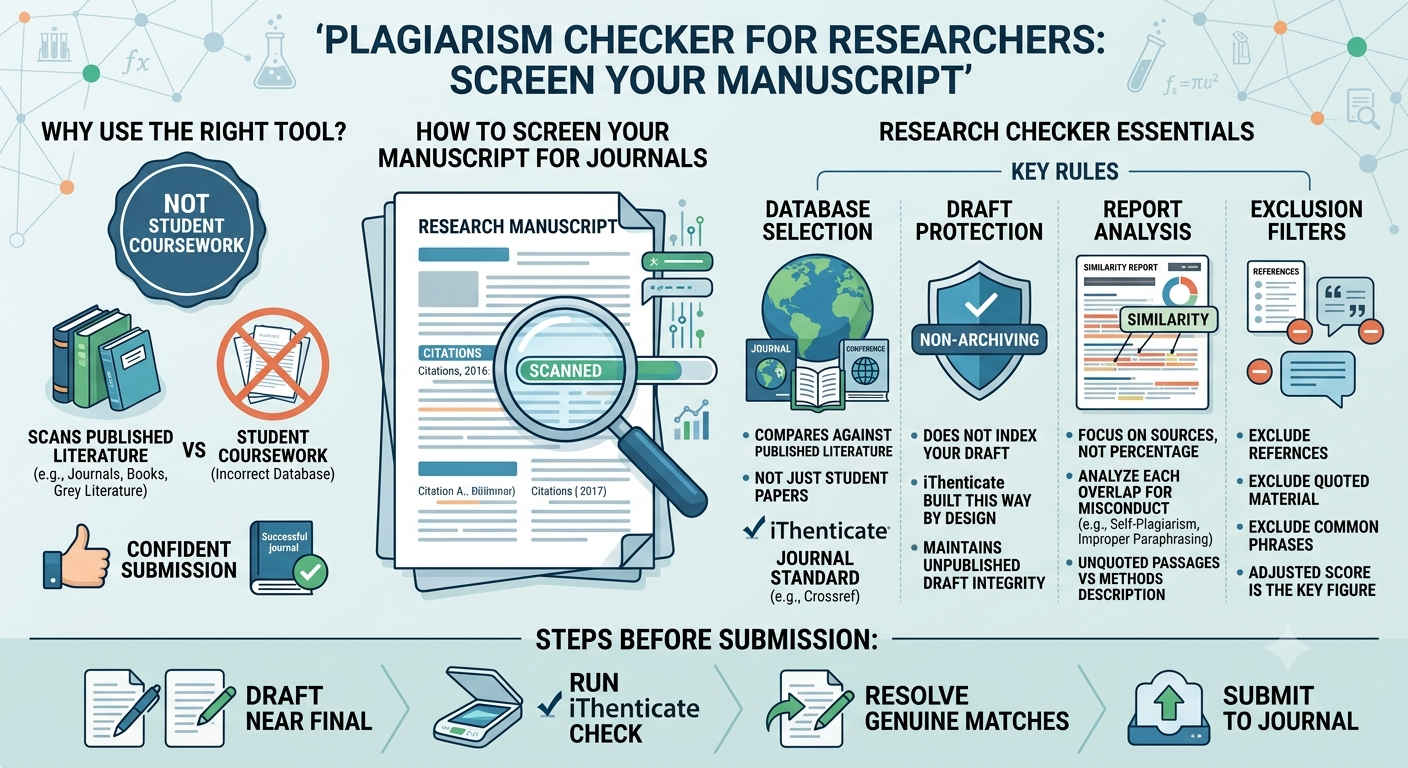
Plagiarism Checker for Researchers: How to Screen Your Manuscript
July 19, 2026
Harvard Referencing Made Simple: The Only Guide You Will Need in 2026
May 12, 2026
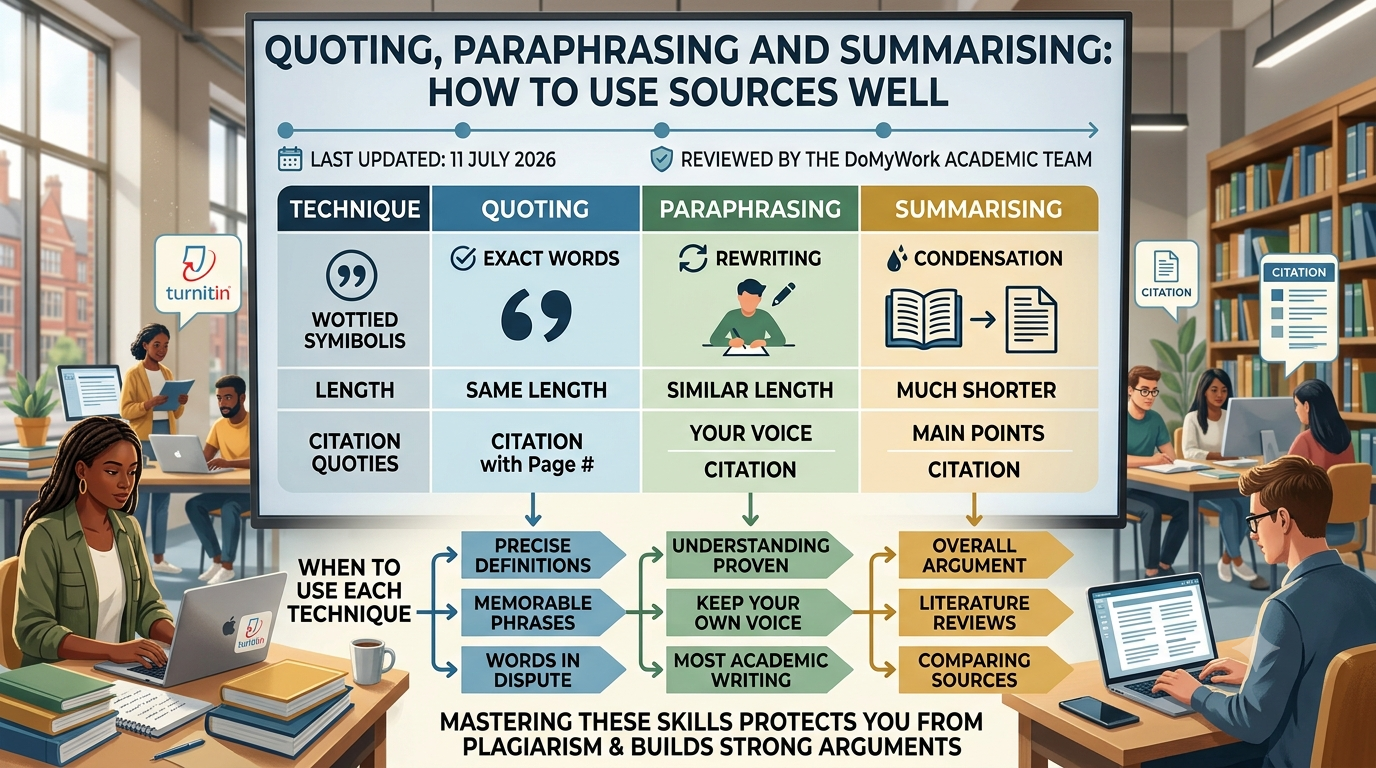
Quoting, Paraphrasing and Summarising: How to Use Sources Well
July 22, 2026
Want more tips & great deals? Get them sent to your inbox
Please enter a valid E-mail
By clicking "Subscribe" you agree to be contacted via e-mail. You can always unsubscribe from the newsletter


