
Ready by 8:07am Oct 5, 2026
How to Write an Explanatory Essay (2026)
An explanatory essay explains a topic, process or idea clearly and objectively, using facts rather than arguing a position. To write one, choose a topic you can explain, research it, and present the information in a logical structure with an introduction, body and conclusion. The key is to inform and clarify, not to persuade.
An explanatory essay does exactly what its name suggests: it explains something clearly and objectively, helping the reader understand a topic, process or idea. Unlike an argumentative essay, it does not take a side or try to persuade; its job is to inform. This makes it one of the more straightforward essay types to write, provided you keep the focus on clear, factual explanation. This guide explains what an explanatory essay is, how to structure it, and how it differs from other essays. It shares much with the expository essay, and our expository essay topics guide offers ideas to explain.
What is an explanatory essay?
An explanatory essay, sometimes called an expository essay, presents a balanced, objective explanation of a topic. Its purpose is to help the reader understand something, whether that is how a process works, what a concept means, or why something happens, using facts and evidence rather than opinion. The writer explains the topic clearly and neutrally, without taking a position or trying to convince the reader of anything. This objective, informative purpose is what defines the explanatory essay and distinguishes it from persuasive and argumentative writing, so the whole essay should aim to clarify and inform rather than to argue a case.
Explanatory essay versus argumentative essay
The clearest way to understand an explanatory essay is to contrast it with an argumentative one. An argumentative essay takes a position and tries to persuade the reader to accept it, marshalling evidence for a particular case. An explanatory essay stays neutral, presenting information objectively so the reader can understand the topic, without arguing for a conclusion. So where an argumentative essay on renewable energy would argue that we should adopt it, an explanatory essay would simply explain how renewable energy works and its effects. Knowing which your task requires matters, because writing a persuasive argument when an objective explanation is wanted, or the reverse, answers the wrong brief.
Choose a topic you can explain
A good explanatory essay topic is one you can explain clearly and completely, and one supported by reliable facts rather than opinion. It should be specific enough to cover in depth, since a broad topic becomes shallow, and it should genuinely have something to explain, a process, a concept, a cause, rather than a debate to take sides in. If your topic is set, focus on the explanatory angle; if you choose it, pick something you understand well or can research thoroughly. The best explanatory topics leave the reader clearly more informed, so choose one you can teach the reader about.
Research and gather your facts
Because an explanatory essay stands on accurate information, thorough research is essential. Gather facts from credible, reliable sources, and take notes in your own words so your explanation is genuinely yours rather than copied. Make sure you understand the topic well enough to explain it simply, since you cannot clearly explain what you only half understand. Reference your sources properly, which our how to cite sources guide covers, since even an objective essay must credit where its information comes from. Solid research is what lets you explain a topic accurately and confidently, which is the foundation of a good explanatory essay.
How to structure an explanatory essay
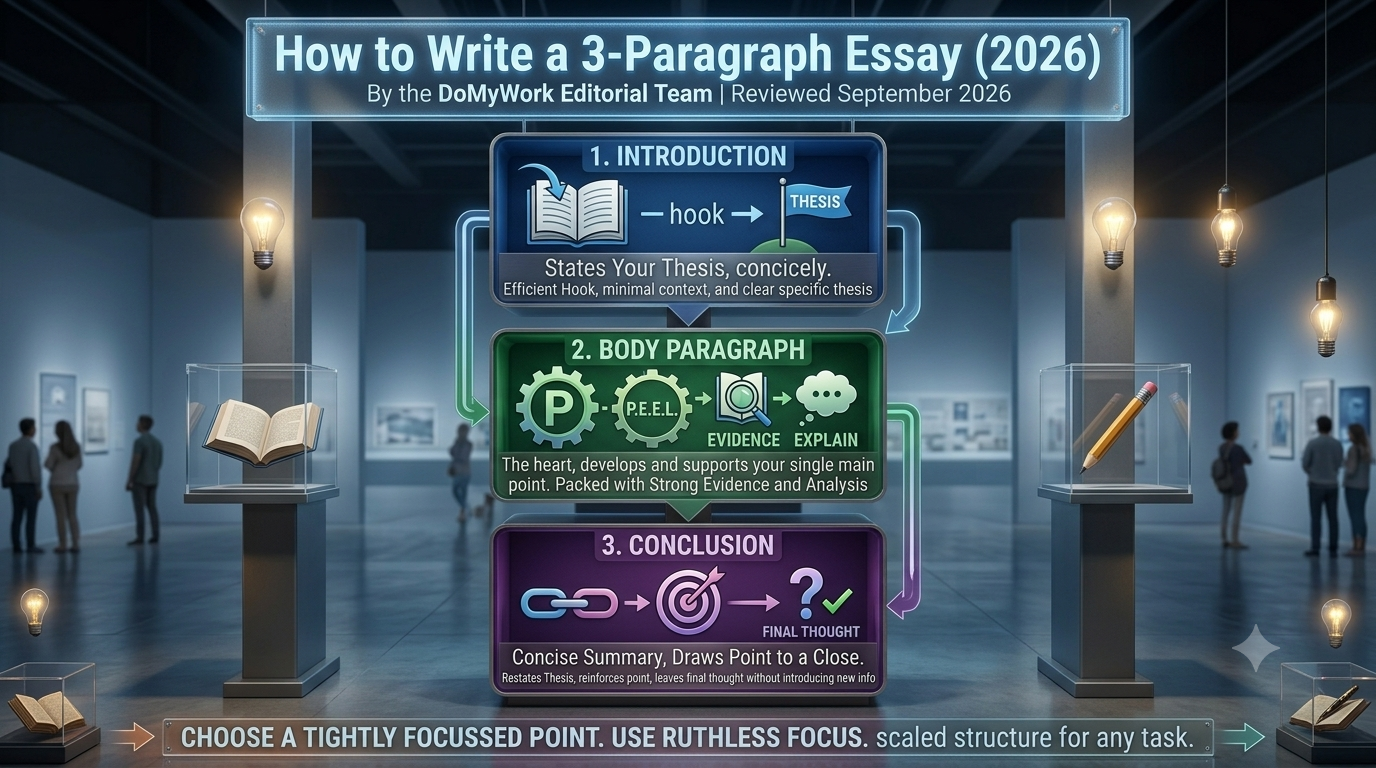
An explanatory essay follows the standard structure. The introduction presents the topic and states what the essay will explain, often with a thesis that previews the main points. The body develops the explanation across several paragraphs, each covering one aspect clearly with facts and examples, organised logically so each builds the reader’s understanding. The conclusion summarises the key points and reinforces the reader’s understanding, without introducing new information or opinion. Organising the information in a logical order, so the reader is guided step by step through the topic, is what makes an explanation easy to follow, and our how to structure an assignment guide covers the wider shape.
Keep the tone objective and clear
The defining feature of an explanatory essay is its objective, informative tone, so keep your writing neutral and factual throughout. Avoid opinion, persuasion and emotive language, since these belong to argumentative writing, and focus instead on presenting information clearly. Clarity is everything: use plain, precise language, define any technical terms, and use examples to make complex points accessible. The measure of a good explanatory essay is whether a reader who knows little about the topic finishes genuinely understanding it, so write with that reader in mind, explaining rather than assuming knowledge, and letting clear, well-organised information do the work.
Types of explanatory essay
Because explaining can be done in several ways, explanatory essays take a few common forms, and recognising them helps you choose the clearest approach. A process explanation sets out how something works or is done, step by step, in a logical order. A definition explanation clarifies what a concept means, often by breaking it into its features. A cause-and-effect explanation sets out why something happens and what results from it. A compare-and-contrast explanation clarifies a topic by setting it against something else, showing similarities and differences. Many explanatory essays combine these, using whichever approach best suits the topic, so an essay explaining climate change might define the concept, then explain its causes and effects. Identifying which approach fits your topic tells you how to organise the body of the essay, since a process explanation follows steps in sequence while a definition explanation works through features, and matching the structure to the type of explanation is what makes the essay easy to follow.
Ultimately, an explanatory essay is judged on one thing above all: clarity. A reader should come away understanding the topic better than before, without having been argued at or confused by jargon. So as you revise, keep asking whether each paragraph makes the topic clearer, cutting anything that muddies it and expanding anything a reader new to the subject would find hard to follow. Clear, accurate, well-organised explanation, delivered in a neutral tone, is the whole art of the explanatory essay, and it is a skill that improves every other kind of academic writing you do.
Final tips for an explanatory essay
Keep the focus on explaining rather than arguing, research thoroughly, and organise your information logically. Use clear language and helpful examples, and check that your essay genuinely informs the reader. Reference your sources, and before submitting, run your finished essay through our plagiarism check to confirm your referencing is complete. An explanatory essay succeeds when it leaves the reader clearly more informed about the topic, so read yours as someone new to the subject would, and clarify anything that would leave them confused. Clear, objective, well-organised explanation is the whole goal.
Popular posts

How to Write a Dissertation Proposal: Step by Step With an Example
April 17, 2026

How to Write a Dissertation Literature Review
August 1, 2026

How Do You Write a Dissertation Methodology Chapter?
June 25, 2026
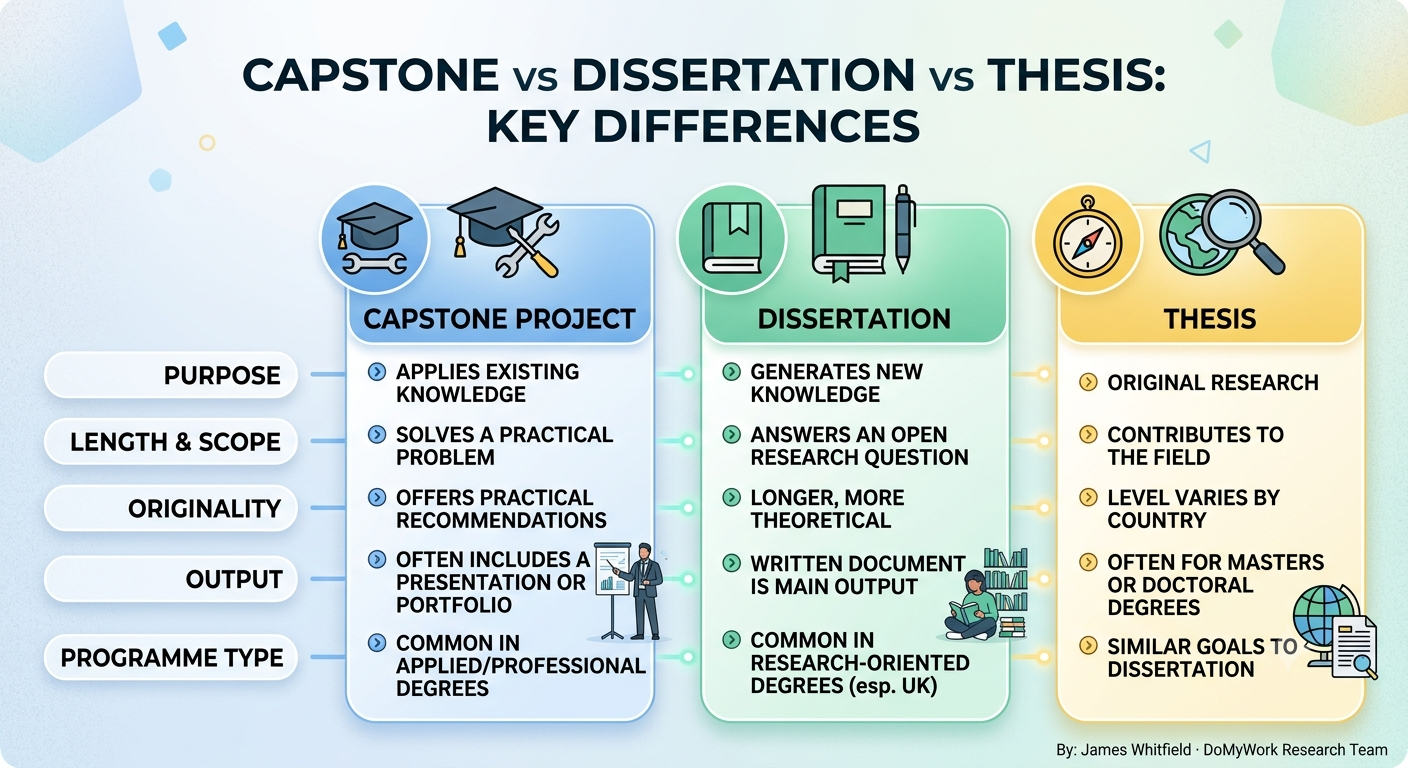
Capstone Project vs Dissertation vs Thesis: Key Differences
June 29, 2026
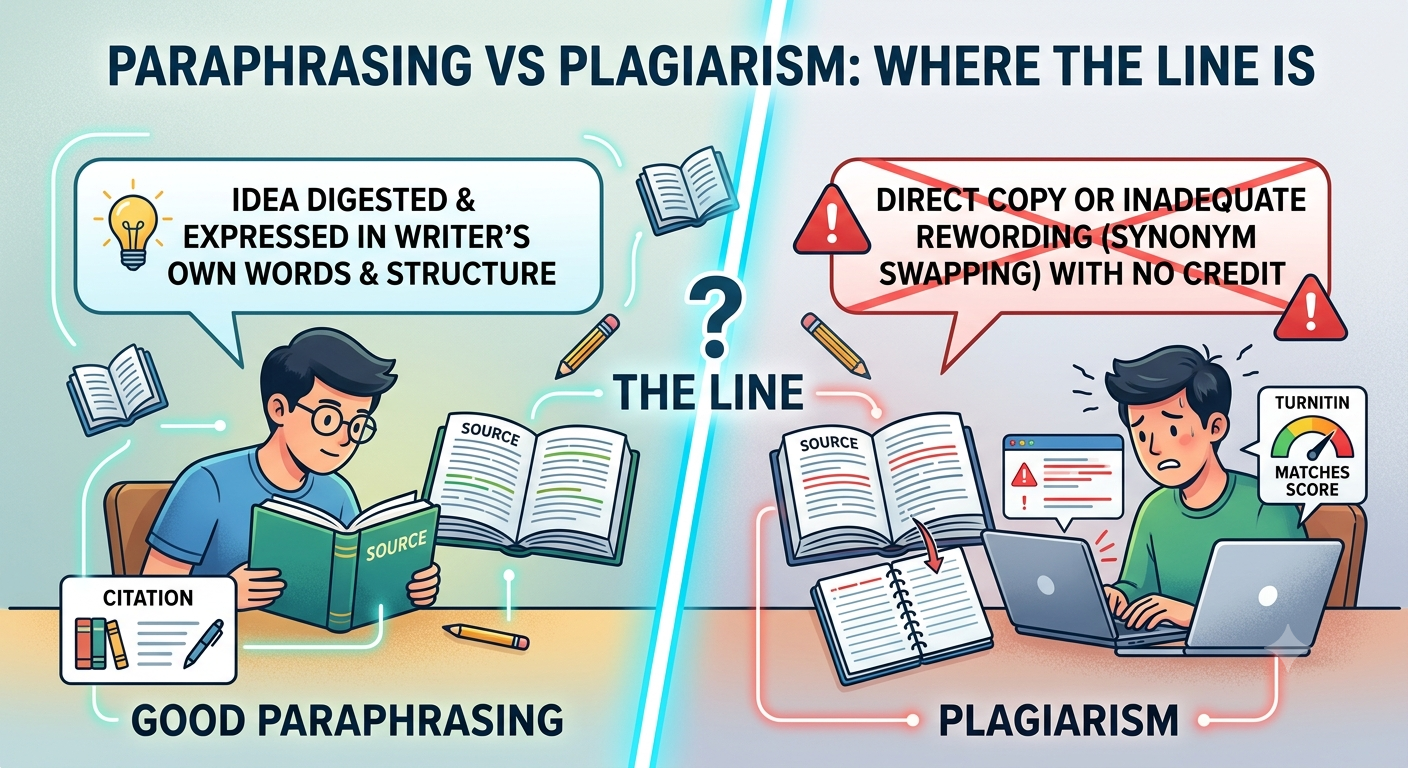
Paraphrasing vs Plagiarism: Where the Line Is
July 9, 2026

Want more tips & great deals? Get them sent to your inbox
Please enter a valid E-mail
By clicking "Subscribe" you agree to be contacted via e-mail. You can always unsubscribe from the newsletter


